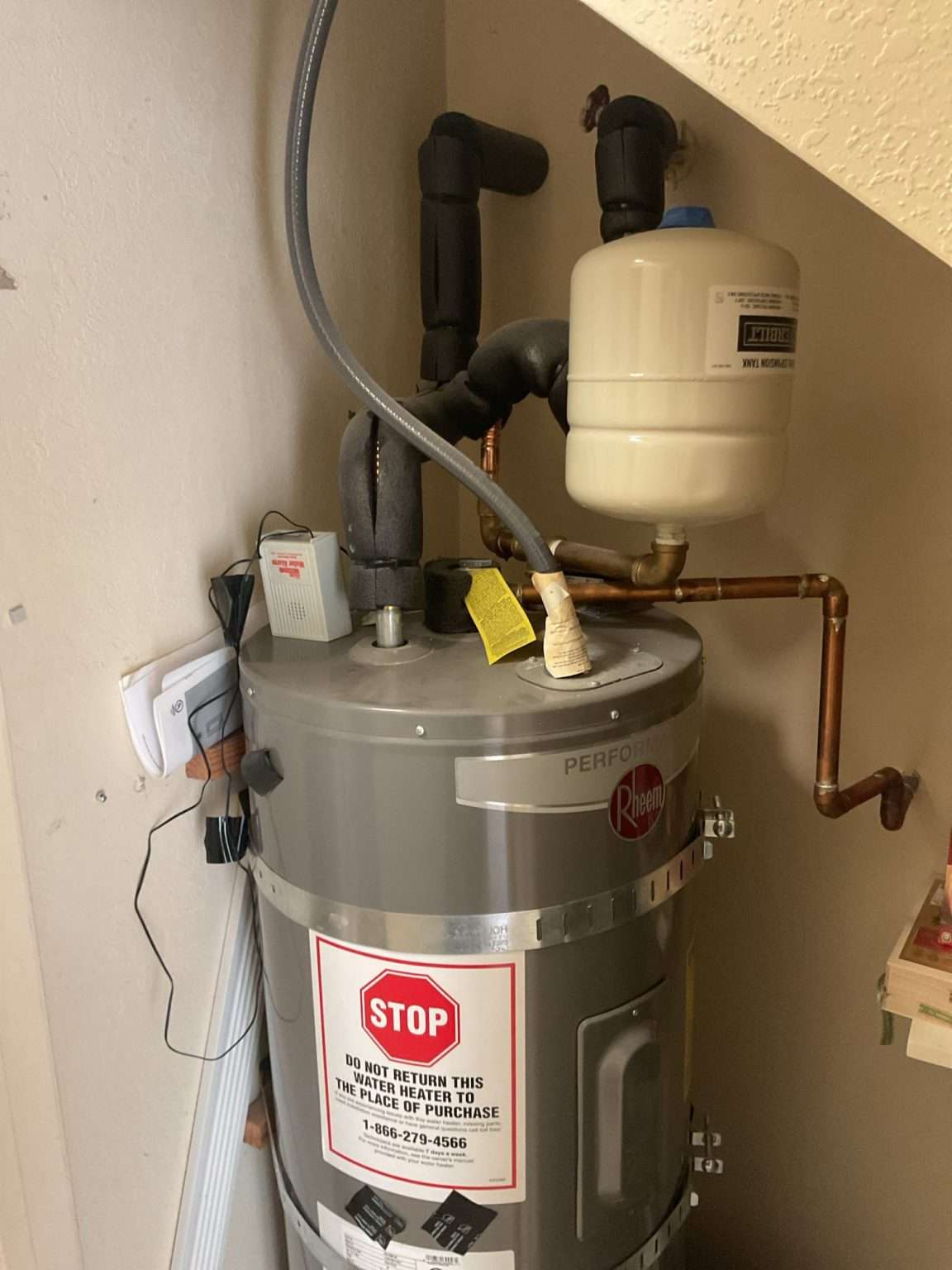

A heat pump water heater uses electricity to transfer heat from surrounding air into a storage tank rather than generating heat directly. This heat transfer technology makes them 2-3 times more energy efficient than conventional electric water heaters, saving the average household $330 annually on utility bills according to the Department of Energy.
As of August 2026 the picture has changed: TECH Clean California is fully reserved and not accepting new single family reservations, and the federal 25C credit expired for equipment placed in service after 31 December 2025. What is left are local utility and community choice aggregator rebates, which vary by who supplies your electricity.
What Is a Heat Pump Water Heater?
A heat pump water heater extracts heat from surrounding air and transfers it to water stored in a tank. Think of it like a refrigerator working in reverse—instead of pulling heat out of a box and releasing it into your kitchen, a heat pump water heater pulls heat from your garage or utility room and transfers it into the water tank.
These systems are also called hybrid water heaters because most models include backup electric resistance elements. When hot water demand is high or the surrounding air temperature drops below 40°F, the electric elements kick in to ensure you always have hot water available.
You can install a heat pump water heater as a standalone unit or integrate it with your home’s heating and cooling system. The standalone models are most common in residential applications.
How Heat Pump Water Heaters Work
The process involves four main components working together:
- The evaporator absorbs heat from the surrounding air, even when temperatures are relatively cool. A fan pulls air across the evaporator coils, where refrigerant captures the heat energy.
- The compressor increases the pressure and temperature of the refrigerant. This step is what allows the system to transfer heat efficiently to the water.
- The condenser releases the concentrated heat into the water tank. As hot refrigerant passes through the condenser coils, it heats the water inside the tank.
- The expansion valve reduces refrigerant pressure, allowing the cycle to repeat. The refrigerant returns to the evaporator to absorb more heat from the air.
This heat transfer method uses significantly less electricity than conventional water heaters that generate heat through electric resistance or gas combustion.
Heat Pump Water Heaters vs Traditional Water Heaters
The main difference between heat pump and conventional water heaters comes down to how they create hot water. Traditional tank water heaters continuously heat water inside the tank, even when you’re not using it. This “standby heat loss” wastes energy keeping the reserve water hot around the clock.
Conventional electric water heaters are the least expensive to purchase but the most expensive to operate. Gas water heaters fall somewhere in between, though natural gas prices fluctuate and they produce combustion emissions inside your home.
Heat pump water heaters cost more upfront, but local utility and community choice aggregator rebates can still reduce that initial investment, typically by $500 to $5,500 depending on who supplies your electricity. When you factor in energy savings of $330 per year, most homeowners recover their investment within 3-5 years.
Energy Efficiency and Cost Savings
Heat pump water heaters achieve their efficiency by moving heat rather than creating it. For every unit of electricity consumed, these systems can move 2-3 units of heat energy. Traditional electric water heaters, by comparison, convert electricity to heat at a 1:1 ratio at best.
The efficiency advantage translates directly to lower utility bills. A family of four using 64 gallons of hot water daily will typically see these annual operating costs:
- Heat pump water heater: $200-$250
- Standard electric water heater: $500-$550
- Natural gas water heater: $300-$400
Beyond water heating, heat pump water heaters provide a secondary benefit during operation. As they extract heat from the surrounding air, they also remove moisture. If you install the unit in a garage or basement, it acts like a dehumidifier during warm, humid months. This can reduce the workload on your air conditioning system.
The cooling effect means heat pump water heaters work best in spaces with excess heat, like furnace rooms. Installing them in cold spaces below 40°F reduces efficiency and forces the backup electric elements to run more frequently.
Installation Requirements for Bay Area Homes
Heat pump water heaters need specific conditions to operate efficiently. Before purchasing a unit, verify your home can accommodate these requirements:
- Temperature: The installation space must maintain 40-90°F year-round. Bay Area garages and utility rooms typically meet this requirement, though homes in colder microclimates may need careful evaluation.
- Air Space: The unit needs access to at least 1,000 cubic feet of air. According to ENERGY STAR, manufacturers specify this because the system must pull enough air across the evaporator coils to extract sufficient heat. A 10×10 room with 10-foot ceilings provides exactly 1,000 cubic feet.
- Ceiling Height: Heat pump water heaters stand taller than conventional tanks. A 50-gallon heat pump model typically measures 60-65 inches tall, compared to 48-50 inches for a standard electric tank. Measure your space carefully, especially in homes with low basement ceilings.
- Electrical Capacity: Most models require a 240-volt, 30-amp circuit. Some homes, particularly older ones, may need electrical panel upgrades to accommodate the new water heater. Bay Area electrical codes are strict, and upgrades must meet current standards.
- Drainage: Heat pump water heaters produce condensate during operation—similar to air conditioners. The unit needs a drain line or condensate pump to remove this moisture. Proper drainage prevents water damage and ensures the system runs reliably.
- Code Compliance: Santa Cruz, Marin, Santa Clara, and Sonoma counties each have specific building codes and permit requirements for water heater installations. Working with a licensed contractor who knows local regulations prevents installation delays and failed inspections.
We regularly encounter situations where homeowners were told by inexperienced contractors that a heat pump water heater would work in their home, only to discover during installation that electrical capacity, space constraints, or ventilation issues make the project unfeasible. A proper site assessment before purchase saves time and prevents frustration.
Heat Pump Water Heater Costs and Bay Area Rebates
Heat pump water heaters range from $1,200-$2,500 for the unit alone. Installation adds $1,500-$2,500, depending on electrical work, permitting, and modifications needed. Total project costs typically run $3,000-$5,000.
What you can claim against that depends on who supplies your electricity, and the picture changed a great deal in 2025 and 2026:
- Community choice aggregator and municipal utility rebates are what remain, and they vary widely. Silicon Valley Power pays $5,500 for a gas to heat pump water heater conversion in the City of Santa Clara, WestLight Energy pays $3,500 in San Mateo County, Central Coast Community Energy pays $1,000 on the Central Coast, and MCE pays up to $675 in Marin.
- TECH Clean California is fully reserved. It has not accepted new single family reservations since November 2025, so it should not be counted on for a new project.
- The federal 25C tax credit expired for equipment placed in service after 31 December 2025 and no longer applies to a new installation.
Because the range is so wide, out of pocket cost depends heavily on your address. We check which program actually applies before quoting rather than after. With annual savings of $330, the payback period is typically 5-9 years, and the unit will last 10-15 years. For the current picture by supplier, see our guide to heat pump rebates in California.
Choosing the Right System for Your Home
Heat pump water heaters come in different tank sizes and configurations. Selecting the right model depends on your household’s hot water usage and available space.
Tank Size:
- 50 gallons suits 2-3 people with average usage
- 65-66 gallons works for 3-4 people
- 80 gallons accommodates 4-5+ people or homes with high simultaneous demand
A contractor can help you determine the right size based on your family’s habits. If you frequently run the dishwasher, washing machine, and shower at the same time, size up to ensure adequate hot water supply. Homeowners wondering about the heat pump water heater vs tankless debate should consider whether endless hot water or maximum efficiency is the higher priority.
Beyond tank size, pay attention to the Uniform Energy Factor (UEF) rating. Models with a UEF of 3.0 or higher deliver the best efficiency. ENERGY STAR certified models meet strict performance standards and qualify for most rebate programs, which can significantly reduce your upfront investment.
Modern units come with features like WiFi connectivity, leak detection, vacation modes, and programmable schedules. While these aren’t essential for basic operation, they can help you track energy usage and catch problems early.
Rheem, A.O. Smith, and State are the most common brands in Bay Area installations, and all three offer solid warranties. We work with all major manufacturers and can recommend specific models based on your household needs and budget.
Professional Installation and Maintenance
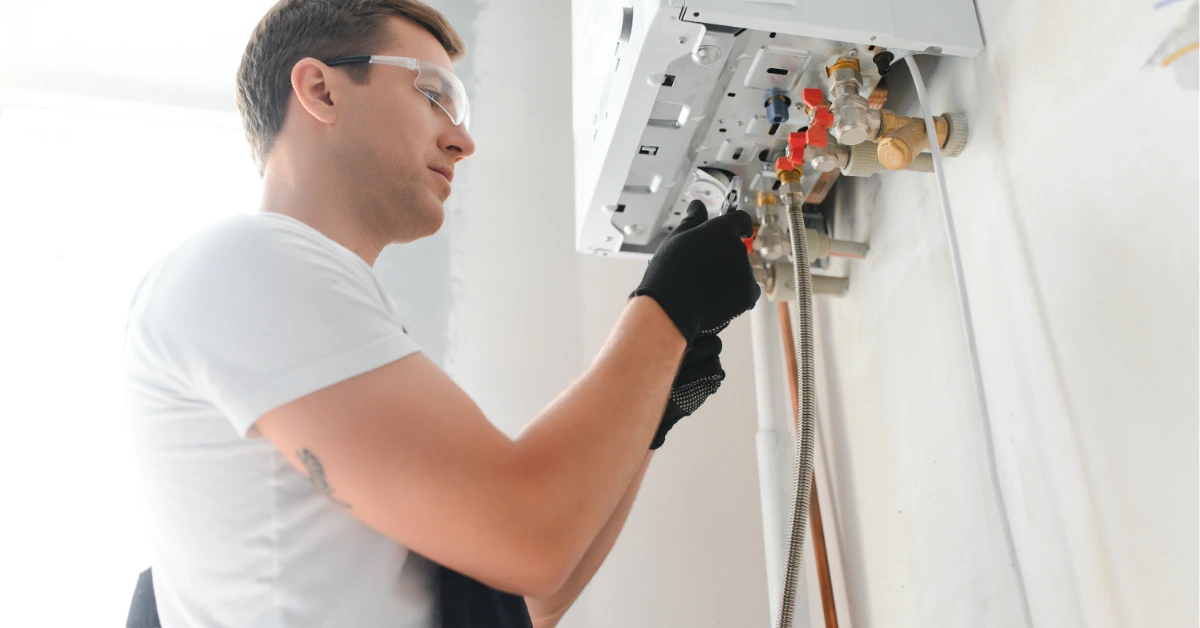
Heat pump water heater installation requires electrical work, plumbing modifications, and permit approval from your local building department. The complexity makes professional installation necessary—and in most Bay Area jurisdictions, required by code.
A proper installation includes:
- Electrical circuit installation or upgrade to meet manufacturer specifications
- Plumbing connections with expansion tanks where required by code
- Condensate drain line installation
- Temperature and pressure relief valve installation
- Permit acquisition and final inspection scheduling
- System startup and performance verification
Bay Area building codes require permits for water heater replacements. The permit process ensures installations meet safety standards and helps protect your home’s value. Some rebate programs also require proof of permitting to qualify for incentives.
Once installed, heat pump water heaters need periodic maintenance to maintain efficiency:
- Every 3-6 months: Clean or replace the air filter. A clogged filter reduces efficiency and forces the system to work harder.
- Annually: Have a professional inspect electrical connections, check refrigerant levels if accessible, verify proper condensate drainage, and test the temperature and pressure relief valve.
- As needed: If you notice unusual sounds, reduced hot water supply, or error codes on the control panel, call for service promptly. Small issues are easier and less expensive to fix when caught early.
Most manufacturers recommend annual professional maintenance. This service typically costs $150-$250 and helps ensure your system operates efficiently throughout its lifespan.
Beyond basic maintenance, you can improve efficiency by insulating hot water pipes, setting the temperature to 120°F instead of 140°F, and fixing any leaky faucets promptly. For eco-conscious homeowners, heat pump water heaters align perfectly with broader eco-friendly HVAC strategies for reducing your home’s overall environmental impact.
Ready to explore whether a heat pump water heater makes sense for your home? Contact Bellows Plumbing, Heating, Cooling & Electrical for a professional assessment and detailed quote.
Our experienced technicians serve Santa Cruz, Marin, Santa Clara, and Sonoma counties with expert installation and ongoing support.