
Your AC chose the hottest September day to quit, and now you’re staring at a repair quote that makes you wonder if the technician added an extra zero by mistake. I’ve worked with homeowners across Santa Cruz, San Jose, Marin, San Francisco, Sonoma, and Santa Clara counties through this exact situation, and here’s what most people miss: the real cost of AC repairs isn’t just today’s invoice – it’s the accumulating inefficiency draining your wallet monthly, the next breakdown already developing, and the opportunity cost of not upgrading to technology that could cut your cooling expenses substantially.
The question isn’t whether your aging AC will fail again. It will. The question is whether you’ll recognize when strategic repairs make sense versus when you’re throwing good money after bad. Here’s the decision framework that protects your investment and keeps you comfortable without wasting resources on a system past its functional life.
Why Bay Area AC Repairs Cost More Than Other Regions
Let’s address what everyone notices but few explain – why fixing your AC in the Bay Area costs significantly more than similar work elsewhere. The reasons go deeper than just regional pricing.
Our mild climate creates fewer certified AC technicians per capita. When demand spikes during heat waves, you’re competing for limited expertise. Phoenix has HVAC contractors everywhere because survival depends on reliable cooling. Here? Many contractors focus primarily on heating systems, treating AC work as secondary. That supply-demand imbalance affects pricing and availability.
Labor costs reflect our region’s economic reality. Qualified HVAC technicians command higher wages here, and their overhead – rent, insurance, vehicles, tools – runs substantially higher than most markets. Service calls start with diagnostic fees that seem steep until you consider the technician’s cost structure.
Then there’s the complexity factor our older housing stock creates. Bay Area homes present challenges that drive up repair costs:
- Retrofitted cooling systems – AC added to homes originally built for natural ventilation creates access and installation challenges
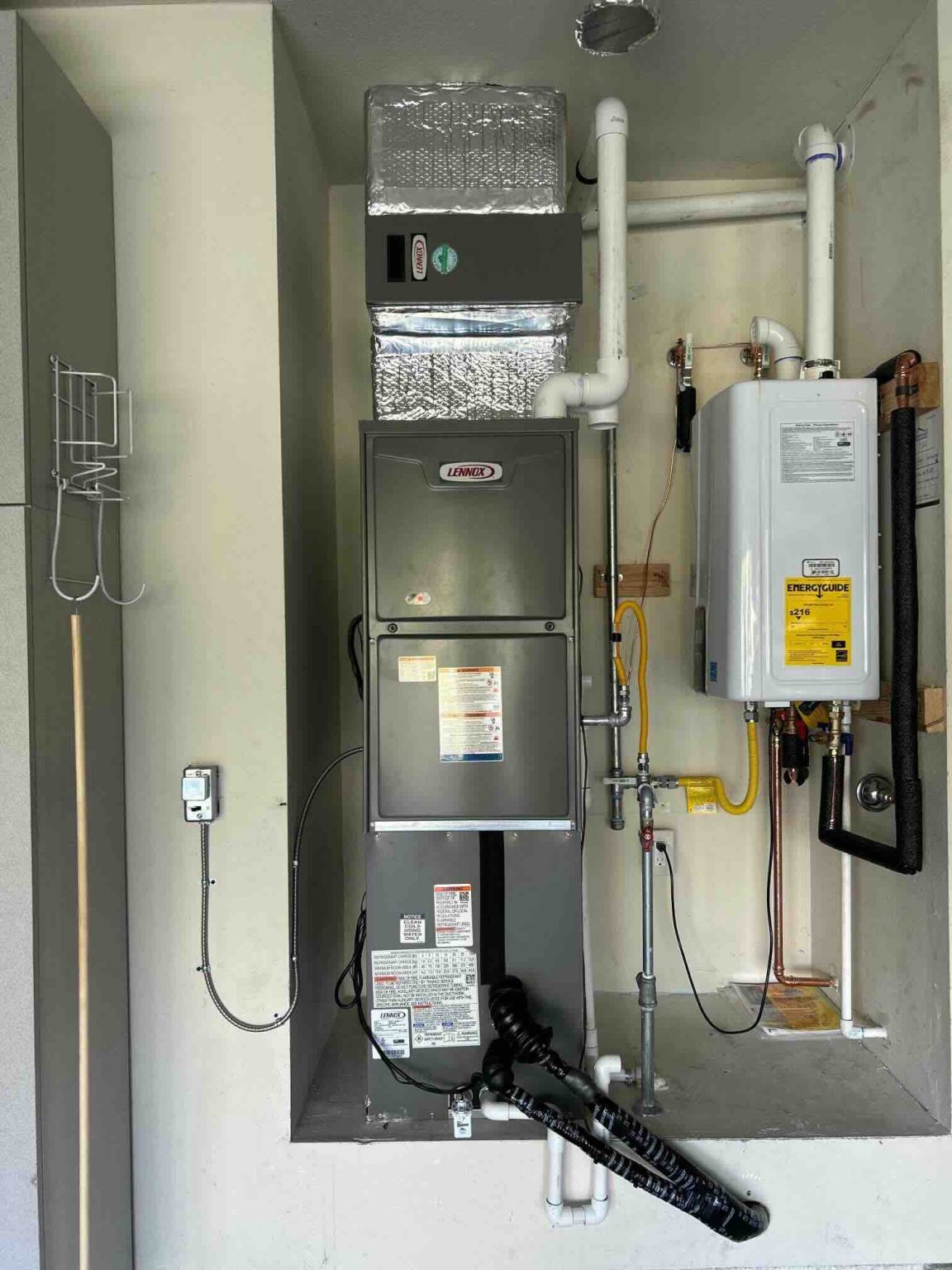
- Space constraints everywhere – Equipment crammed into tiny mechanical rooms or awkward attic spaces complicates repairs
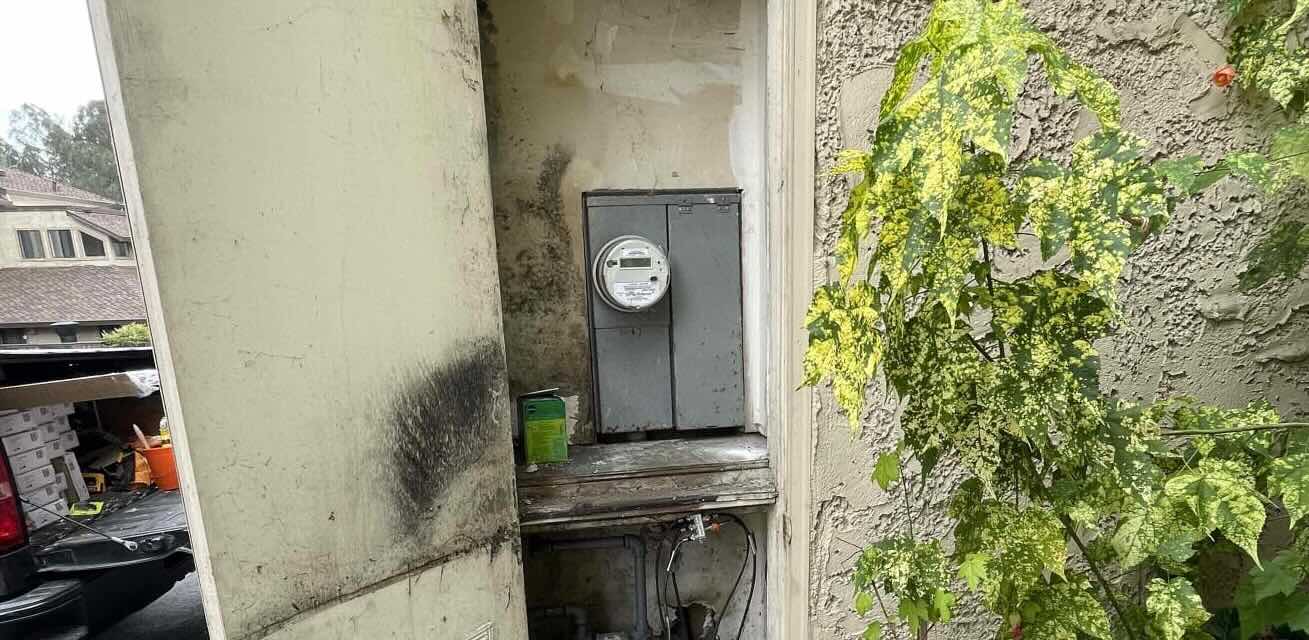
- Outdated electrical infrastructure – Many homes need panel upgrades or circuit additions for proper AC operation
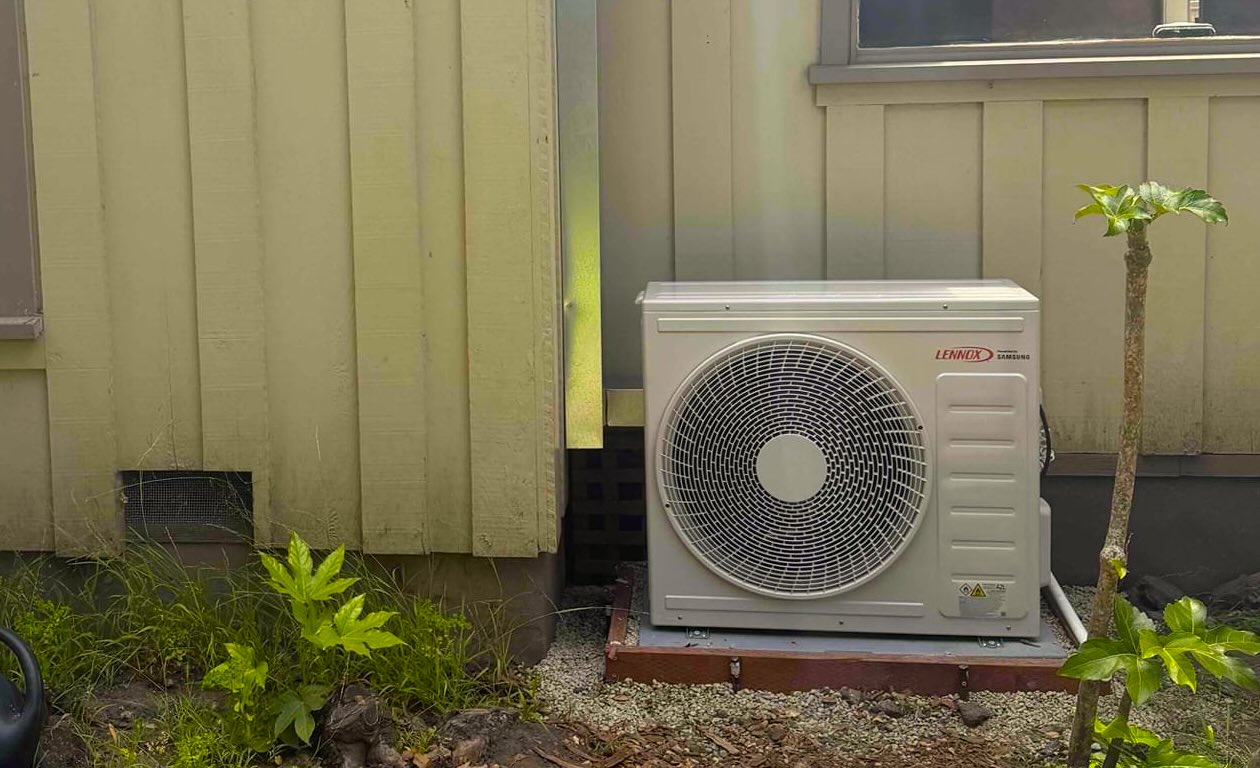
- Architectural preservation requirements – Historic districts and neighborhood covenants restrict exterior modifications
- Seismic code compliance – Special mounting systems and flexible connections add installation complexity
- Multi-story challenges – Victorian and traditional homes with complex ductwork layouts
The Hidden Costs Draining Your Budget
That seemingly manageable compressor repair might look reasonable until you factor in the hidden costs accumulating behind the scenes. Older AC systems hemorrhage money in ways that never appear on repair invoices.
Energy inefficiency tops the list. A 15-year-old AC system typically operates at 10-13 SEER (Seasonal Energy Efficiency Ratio). Modern systems achieve 16-20 SEER or higher. For a typical Bay Area home cooling 4-5 months annually, that efficiency gap translates to substantially higher electricity costs every single year. Over the remaining life of your old system, those excess utility bills often exceed what replacement would have cost.
Refrigerant complications present another financial hit. If your system uses R-22 refrigerant (phased out in 2020), you’re paying premium prices for increasingly scarce supplies. A moderate leak requiring refrigerant recharge quickly becomes expensive, and here’s the frustrating reality – that leak will return because aging systems develop multiple failure points. You’re not fixing the problem; you’re temporarily managing symptoms.
Frequent repairs create cascading expenses beyond the obvious:
- Lost productivity – Taking time off work for service calls and waiting for technicians
- Temporary housing costs – If repairs take multiple days during heat waves, you might need alternative accommodations
- Food spoilage – Extended outages during hot weather mean refrigerator contents at risk
- Electronics damage – Power fluctuations from struggling systems can harm sensitive equipment
- Health impacts – Poor air quality and temperature control affect family wellbeing, especially for vulnerable members
- Stress and anxiety – Constant worry about the next breakdown affects quality of life
Reading the Warning Signs of a Dying System
Recognizing when your AC shifts from “needs maintenance” to “life support” saves substantial money in pointless repairs. Here’s what separates fixable issues from replacement candidates:
Age Combined with Major Component Failure
If your system has passed 12 years and needs a compressor, evaporator coil, or condenser replacement, do the math carefully. These major repairs often approach a significant percentage of new system costs – you’re making a substantial investment in equipment already past its expected prime performance years.
The Multiplication Effect
One major repair often triggers others in rapid succession. Replace the compressor? The evaporator coil might fail within months from altered pressure dynamics. Fix the coil? The blower motor struggles with changed airflow patterns. I call this the domino effect of dying systems – you’re not solving problems, you’re delaying the inevitable while costs accumulate.
Comfort Degradation Signals
- Uneven cooling patterns – Some rooms roast while others freeze, and adjusting the thermostat fixes nothing
- Humidity problems persisting – System runs continuously but doesn’t dehumidify properly, leaving indoor air muggy
- Constant short cycling – Brief runs that never satisfy the thermostat, wasting energy and wearing components
- Noise escalation over time – New rattles, squeals, or grinding sounds appearing monthly signal deteriorating components
- Airflow weakness – Registers barely pushing air even with fan on high setting
- Thermostat confusion – System running when it shouldn’t or refusing to start when needed
When Repairs Still Make Financial Sense
Not every repair signals replacement time. Strategic repairs on younger systems or specific circumstances can buy valuable time and make economic sense:
Systems Under 10 Years Old
If your AC is relatively young and experiences its first major issue, repair usually makes sense. Modern systems should last 15-20 years with proper maintenance. A significant repair on an 8-year-old system buys another 7-10 years of reliable service. You’re investing in equipment with substantial life remaining.
Minor Component Failures
Capacitors, contactors, fan motors – these parts represent reasonable repair investments. On otherwise healthy systems, these fixes offer good value. Think of them like replacing tires on a car with low mileage – necessary maintenance that extends useful life without questioning the vehicle’s fundamental value.
Timing Considerations
Planning to sell within 2 years? Major renovations scheduled next year? Strategic repairs to maintain function through specific timeframes make sense when replacement would represent wasted investment. You’re making tactical decisions based on your actual timeline, not the system’s theoretical lifespan.
Budget Constraints Reality
If you genuinely can’t afford replacement right now, targeted repairs beat complete system failure. But start saving immediately – you’re buying time, not solving the underlying problem. Create a replacement fund and plan proactively for the inevitable.
The New Technology Advantage Most Contractors Don’t Explain
Here’s what frustrates me about typical repair-or-replace consultations – contractors rarely explain how substantially AC technology has advanced. You’re not just buying improved efficiency; you’re buying capabilities your current system physically cannot match.
Variable-Speed Systems Change Everything
Modern variable-speed systems adjust output continuously to match cooling needs. Instead of blast-furnace on/off operation, they run longer at lower speeds. Result? Superior dehumidification, even temperatures throughout your home, and substantially reduced energy consumption. For our Bay Area microclimates, this means actual comfort, not just temperature reduction.
The difference feels immediate. No more temperature swings. No more humid indoor air. No more rooms that never cool properly. Variable-speed technology solves problems that single-stage systems can’t address regardless of maintenance or repairs.
Smart Integration Transforms System Management
New AC systems communicate with your phone, learning patterns and adjusting automatically. Going to Tahoe for the weekend? The system knows and conserves energy intelligently. Heat wave approaching? It pre-cools efficiently before peak electricity rates hit. Away for work? Adjust settings from anywhere.
This isn’t gimmicky – it’s functional technology that reduces waste and maintains comfort automatically. Your old system requires manual adjustment and wastes energy cooling empty homes. New systems adapt to your actual patterns.
Air Quality Improvements Matter More Now
Post-2020, indoor air quality became a priority for most families. New systems incorporate capabilities older units can’t match:
- Advanced filtration systems – MERV-13+ filters capturing particles older systems miss entirely
- UV purification options – Destroying mold spores and bacteria in air streams
- Fresh air integration – Bringing in filtered outside air automatically when conditions permit
- Precise humidity control – Maintaining ideal 40-50% levels for health and comfort
- Zoning capabilities – Different temperatures in different areas based on use and preference
For families with allergies, asthma, or respiratory concerns, these improvements represent health benefits that transcend simple comfort considerations.
Navigating Bay Area Rebates and Incentives
The replacement cost equation improves substantially when you factor in available incentives. Most homeowners leave significant money on the table by not researching programs before making decisions:
BayREN (Bay Area Regional Energy Network) Rebates
Offers substantial rebates for qualifying high-efficiency installations. Requirements vary by county but generally reward 16+ SEER systems with proper sizing calculations and professional installation. The application process takes effort but returns meaningful savings.
PG&E and Other Utility Programs
Time-of-use rates make efficient systems even more valuable for your monthly bills. Some programs offer additional rebates for demand-response capable equipment that can reduce load during peak periods. Check your specific utility provider for current offerings.
Federal Tax Credits
Currently offering substantial credits for qualifying high-efficiency systems. This isn’t a rebate – it directly reduces your tax liability when you file. Work with your tax advisor to understand how credits apply to your specific situation.
Manufacturer Incentives
Seasonal promotions can add meaningful rebates to your purchase. Spring and fall typically offer the best manufacturer deals as companies clear inventory and incentivize early-season purchases. These stack with other programs for maximum savings.
Property Assessed Clean Energy (PACE) Financing
Allows you to finance efficiency improvements through property tax assessments. Not ideal for everyone, but worth understanding if traditional financing doesn’t fit your situation. Research carefully – terms and conditions matter significantly.
Stack these incentives strategically and your net investment drops substantially. Suddenly, replacement economics shift from questionable to clearly advantageous.
Making the Numbers Work for Your Situation
Let’s get practical about the repair-versus-replace decision. Here’s the framework I recommend for Bay Area homeowners:
Calculate Your Total Cost of Ownership
Look at a 5-year window for each option rather than just today’s decision:
Repair Scenario Considerations:
- Current repair cost plus likely future repairs based on system age
- Excess energy costs from inefficiency
- Refrigerant costs for systems using phased-out R-22
- Lost productivity and inconvenience from repeat service calls
- Comfort and health impacts (harder to quantify but real)
Replacement Scenario Considerations:
- New system investment minus available rebates and incentives
- Energy savings compounding annually
- Warranty coverage (typically 10 years parts, 1-2 years labor)
- Comfort improvements throughout your home
- Air quality benefits for family health
- Property value enhancement
For most Bay Area homes, the breakeven point hits around year 3-4 if your current system needs major repairs. Factor in comfort improvements and air quality benefits, and replacement often wins economically even sooner.
Consider Your Home Plans
Your timeline matters significantly. Staying 10+ years? Replacement makes clear sense. Selling within 2 years? Repairs might suffice. Planning major renovations? Coordinate AC replacement with other work for efficiency and cost savings.
Timing Your Decision for Maximum Value
When you act matters almost as much as what you decide. Bay Area AC dynamics create optimal windows for replacement that save money and reduce stress:
Spring Installation (March-May)
Contractors have availability, allowing negotiation on pricing and scheduling. You’ll have a properly functioning system tested and ready before heat waves hit. Spring manufacturer rebates often appear during this window. Installation happens during mild weather, making the process more comfortable for your family.
Fall Opportunities (October-November)
End-of-season deals as contractors clear inventory and manufacturers push year-end sales. You have time to properly research, size, and plan installation without emergency pressure. Less competition for contractor time means better attention to your project. Milder temperatures make installation easier.
Avoid Summer Emergency Replacements
June through September means premium pricing, limited contractor availability, and rushed decisions under duress. If your system’s showing concerning symptoms, address them before peak season arrives. Emergency replacements cost more and limit your options for equipment, contractors, and negotiating terms.
Taking Control of Your Cooling Costs
Your AC will eventually force a decision – the question is whether you’ll make it strategically or under emergency pressure. If your system has passed 12 years, shows multiple warning symptoms, or faces a major repair, start planning now. Get multiple quotes from reputable contractors. Research available rebates thoroughly. Understand financing options before you need them.
For newer systems with minor issues, invest in preventive maintenance consistently. Change filters monthly during cooling season. Schedule annual professional maintenance. Clean outdoor coils. Address small problems immediately before they cascade. You’re maximizing your investment’s lifespan and avoiding premature failure.
Most importantly, stop viewing AC expenses in isolation from other home costs. Consider total cost of ownership over realistic timeframes. Factor in comfort improvements that affect daily life quality. Account for health benefits from better air quality. Recognize property value impacts from modern, efficient systems.
The Bay Area’s climate means we don’t need AC often compared to hotter regions – but when we do need cooling, we need it working efficiently and reliably. Make your cooling decisions based on comprehensive data and long-term value, not just today’s repair quote or tomorrow’s discomfort.
Your future self, enjoying consistent comfort while watching utility bills drop and breathing cleaner air, will thank you for thinking beyond the immediate fix. Strategic decisions today create ongoing benefits for years – financially, physically, and in daily quality of life.
Bellows Plumbing, Heating, Cooling & Electrical serves homeowners throughout Santa Cruz, San Jose, Marin, San Francisco, Sonoma, and Santa Clara counties. When you’re ready to assess your AC system’s condition and explore your options – whether strategic repairs or modern replacement – professional evaluation gives you the information you need to make confident decisions that protect your home, your budget, and your family’s comfort for years ahead.