What Happens When Your Panel Is Overloaded?
An overloaded electrical panel is one of the most underappreciated fire risks in a home. When your panel is asked to deliver more current than it was designed to handle, a few things can go wrong:
Breakers that trip repeatedly are your panel’s way of saying “I can’t keep up.” While tripping breakers protect you in the short term, if they’re tripping constantly, your system is chronically overwhelmed.
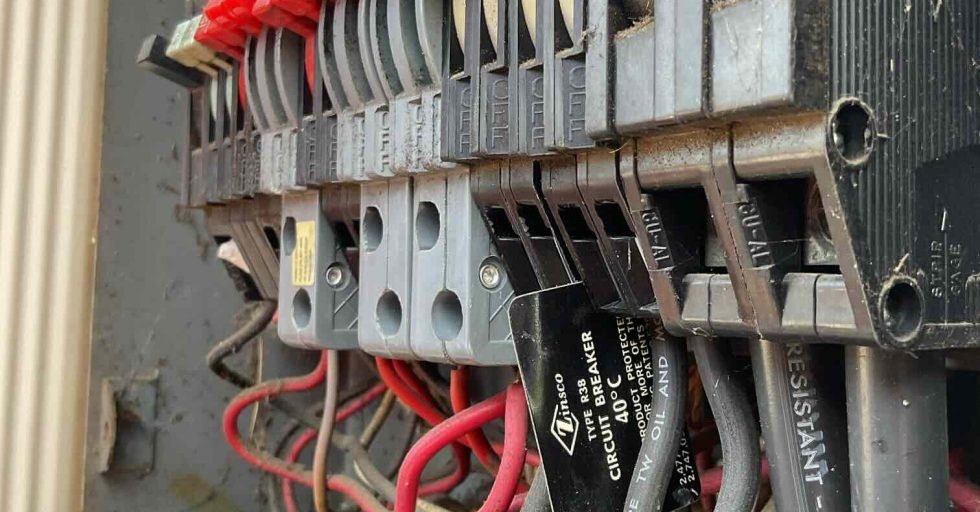
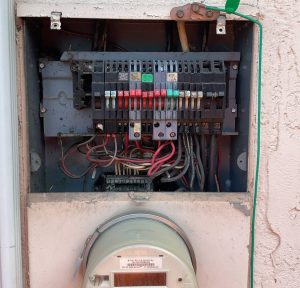
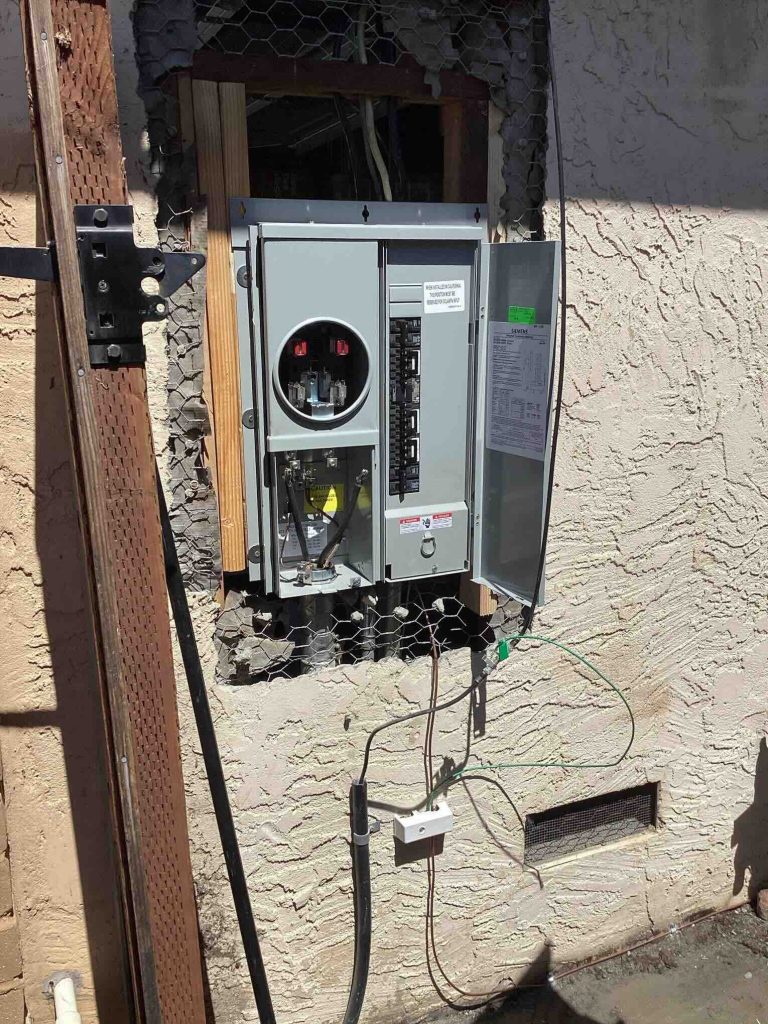
Breakers that stop tripping are even more dangerous. Older breakers — …especially in panels with known issues like Federal Pacific or Zinsco — both of which have documented histories of breakers that fail to trip, and both of which we frequently encounter and replace in San Jose and Santa Clara County homes. See the real Zinsco replacement we completed above.
Overheated wiring is invisible to most homeowners. Wires buried in your walls can degrade over time from sustained heat, cracking insulation and creating potential arc fault conditions that can ignite nearby materials.
Undersized service means your utility connection itself may not be rated for the load your home demands today, which can cause voltage fluctuations that damage sensitive electronics and appliances over time.
If you’ve added window AC units, space heaters, or charging equipment without ever having your panel evaluated, now is the time to act.
Why San Jose Homes Are at Higher Electric Panel Risk Right Now
Santa Clara County homeowners are under more electrical pressure than ever before. The push toward electrification — from California’s building codes to PG&E rebate programs and the state’s long-term fossil fuel phase-out goals — means that appliances that were once gas-powered are rapidly moving to electric.
If you currently have or are planning to add any of the following, your panel almost certainly needs an evaluation:
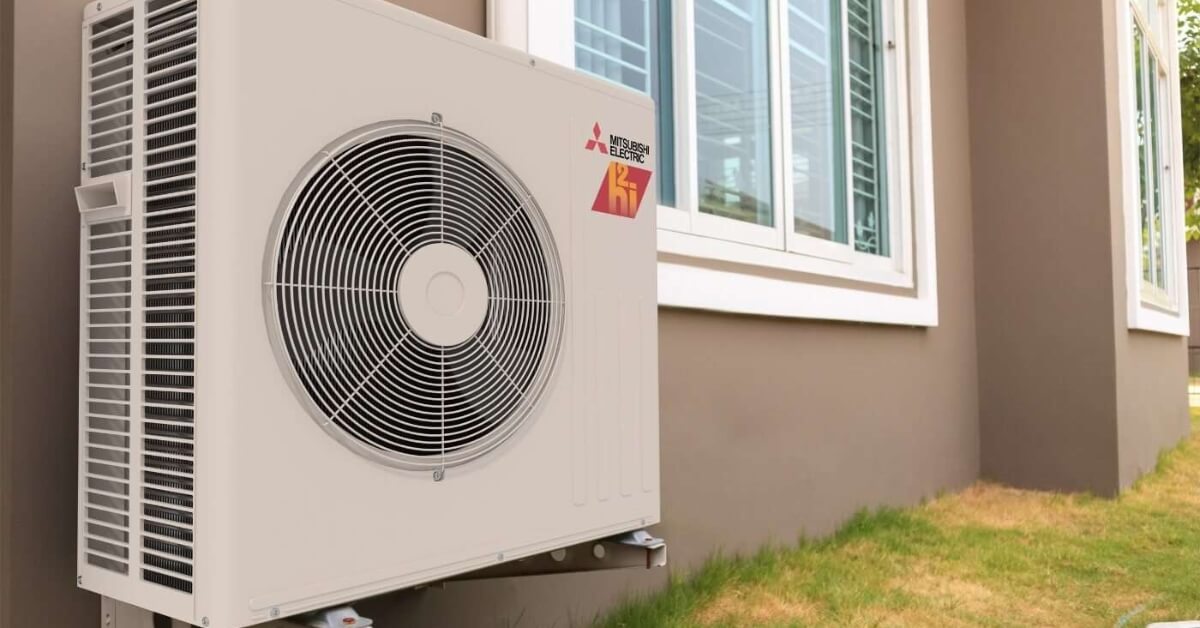
- Heat pump HVAC system — modern heat pumps can require a dedicated 240V circuit and significant amperage
- Heat pump water heater — replacing a gas water heater with a heat pump model requires new electrical capacity (and in California, gas water heaters will eventually be regulated out)
- Electric vehicle charger (Level 2) — a proper Level 2 home charger typically draws 40–50 amps continuously
- Electric range or dryer — if converting from gas appliances
- Home battery backup — systems like EcoFlow integrate with your panel and require proper electrical infrastructure
The math is simple: if your home was built before 2000 with a 100-amp or 150-amp panel and you’re adding even one of these loads, you likely need an upgrade.
Standard Panel vs. Smart Panel — What’s the Difference?
A standard panel upgrade replaces your existing breaker box with a modern, code-compliant panel that gives you more capacity and properly rated breakers. This is often a 200-amp upgrade and is the foundation every electrifying home needs.
But today, homeowners also have the option of a smart panel — and the technology has matured to the point where it’s worth a serious conversation.
Span Panel is one of the leading smart panel options. It replaces your traditional breaker box with a WiFi-connected panel that lets you monitor real-time energy usage per circuit, remotely turn circuits on or off, and automatically shed non-essential loads during peak demand or outage events. Span integrates directly with solar, battery storage, and EV chargers — giving homeowners a level of visibility and control over their energy that simply wasn’t possible before.
EcoFlow Power Systems offer another path for homeowners interested in battery backup integration. EcoFlow’s whole-home power solutions are designed to pair battery storage with your home’s electrical system, providing backup power during outages and the ability to offset peak demand usage.
At Bellows, we work with clients on both traditional panel upgrades and smart panel solutions. We’ll help you understand which option makes the most sense for your home, your goals, and your budget.
The Part Nobody Tells You About Panel Upgrades: PG&E
Here’s something important that we are completely transparent about with our San Jose clients: when your panel upgrade requires PG&E to disconnect and reconnect your electrical service, the timeline is largely out of our hands.
For many standard panel replacements — where we can work within your existing service entrance — Bellows can often complete the project within a matter of weeks.
However, if your project requires a service upgrade (increasing the ampacity of the connection from the utility pole to your home), PG&E must be involved. And PG&E moves on their own schedule. We’ve seen projects take anywhere from 3 to 12 months from the time of application to the time PG&E performs the service work.
This is frustrating, and we completely understand that. But it is the reality of working within the utility’s process, and no electrical contractor — regardless of what they tell you — can speed that up.
This is exactly why we encourage proactive planning. If you know you want to install a heat pump this winter or replace your aging gas water heater in the next year or two, starting the panel upgrade conversation now may be the difference between a smooth, planned transition and an emergency scramble.
Don’t wait until the gas water heater fails or you’ve already purchased your EV to find out your panel can’t support what comes next.
What a New Panel Unlocks for Your Home
Beyond just meeting code and handling load, a panel upgrade opens the door to meaningful home improvements:
- Smart energy monitoring — know exactly which circuits are drawing the most power and when
- Load shedding — automatically reduce non-critical loads to stay within your capacity limits during peak hours
- Whole-home surge protection — protect sensitive electronics, heat pumps, and appliances from power spikes
- EV charging readiness — add a Level 2 charger circuit without worrying about overloading the rest of your home
- Battery backup integration — pair your panel with a home battery system for energy independence and outage protection
- Future-proofing — stop scrambling every time California takes another step toward full electrification
Don’t Be Forced Into It — Plan For It
The homeowners who have the smoothest electrification experiences are the ones who got ahead of it. A planned panel upgrade, done on your timeline, means:
- No emergency service calls
- No temporary workarounds (extension cords, overloaded outlets)
- No waiting in line during a PG&E backlog when half the neighborhood needs the same work done
- A properly permitted, code-compliant installation that protects your home’s value
At Bellows, we handle the full process — from assessing your current panel and load requirements, to permit coordination, to working with PG&E when needed, to final inspection. You won’t be navigating this alone.
Thinking About a Heat Pump Water Heater Too?
If you’re also considering replacing your gas water heater with a heat pump water heater — one of the best efficiency upgrades you can make right now — your panel evaluation becomes even more important. A new heat pump water heater requires its own dedicated circuit, and if your existing panel doesn’t have the capacity, that needs to be addressed first.
 Learn more about heat pump water heater upgrades for Bay Area homes.
Ready to Talk About Your Panel?
Bellows Plumbing, Heating, Cooling & Electric has been serving Santa Clara County and the greater Bay Area since 1984. Our licensed electricians handle panel upgrades from standard 200-amp replacements to full smart panel installations — and we’ll walk you through every step of the process, including what to realistically expect if PG&E needs to be involved.
Call us today or book an estimate online. The best time to upgrade your panel is before you need to — and that time is now.