
Propane can last indefinitely when stored properly, making it one of the most reliable long-term energy sources for homeowners. But the real question is: how long will your propane supply actually last based on your tank size, appliances, and usage habits?
Whether you’re using propane to heat your home, fuel kitchen appliances, or power outdoor systems, understanding propane longevity helps you avoid service interruptions and better manage your energy budget.
At Bellows Plumbing, Heating, Cooling & Electrical, we’ve helped Bay Area homeowners get the most out of their propane systems for over 40 years. From routine maintenance to emergency service, our full heating services ensure your propane system operates safely and efficiently in every season.
This guide explains everything you need to know, from how long propane lasts in various conditions, to safety tips, tank sizes, refill timing, and more.
Key Takeaways
- Propane Shelf Life: Propane doesn’t degrade over time, it can be stored indefinitely if sealed and protected.
- Tank Usage Factors: Appliance efficiency, tank size, and outdoor temperatures affect how quickly propane is consumed.
- Tank Sizing Tips: Choosing the right size tank (100 to 1000 gallons) affects refill frequency and long-term cost.
- Cold Weather Considerations: Propane remains stable, but extreme cold can reduce system pressure without proper protection.
- Safety Best Practices: Proper ventilation, leak checks, and storage habits improve safety and system life.
- Warning Signs: Low pressure, yellow flames, or appliance shut-offs may signal it’s time to refill.
- Pro Support Matters: Bellows provides expert propane system care to help you use fuel more efficiently and avoid disruptions.
How Long Does Propane Last in Storage?
Propane can last indefinitely when stored correctly, making it one of the most dependable long-term energy options for homeowners. It doesn’t degrade like gasoline or diesel, but your propane tank (not the fuel) determines how long your setup remains safe and usable.
Whether you’re storing propane for emergencies, home heating, or outdoor appliances, a few simple storage and maintenance practices will ensure safety and efficiency.
Proper Storage Requirements
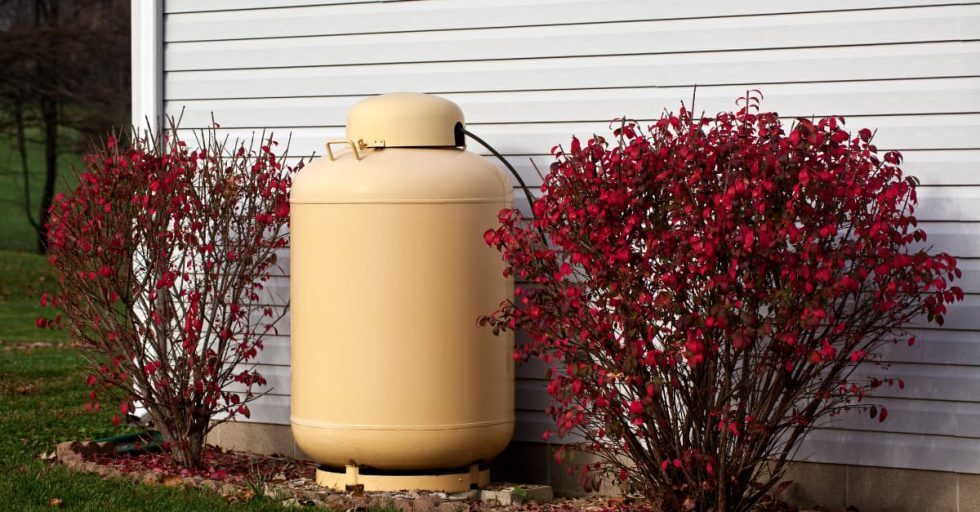
To preserve propane’s long shelf life, tanks should always be stored upright in well-ventilated areas, away from heat sources or standing water. Propane stays stable between -44°F and 120°F, which means it performs reliably in most climates without issue.
Enclosed or humid storage spaces can cause pressure buildup or corrosion over time, so outdoor, shaded areas with good airflow are ideal.
Tank Recertification Rules
Most residential propane tanks need to be recertified 12 years after manufacture, and every 5 years thereafter. Recertification ensures the valve remains secure, the tank’s structure is intact, and it’s safe for refill.
Even if the propane inside is still perfectly usable, an uncertified tank cannot legally be refilled, making recertification a key part of long-term fuel storage.
Maintenance and Inspection Tips
Routine visual inspections help prevent small issues from becoming safety hazards. Look out for:
- Rust or exterior corrosion
- Dents, bulges, or compromised seams
- Damaged or leaking valves
If you notice any of these, contact a professional immediately. At Bellows Plumbing, Heating, Cooling & Electrical, we provide expert propane system inspections, tank maintenance, and recertification tracking for homeowners across the Bay Area.
How Long Does Propane Last? Real Usage Scenarios
How long propane lasts depends on your tank size, appliance type, and how you use it. Whether you’re cooking, heating a space, or fueling your whole home, understanding consumption rates helps you plan refills and avoid running out unexpectedly.
Here’s a breakdown of what you can expect from the most common propane setups:
| Tank Type | Application | Estimated Duration |
|---|---|---|
| 20 lb tank | High-heat grilling | 18–20 hours |
| Medium-heat cooking | 25–30 hours | |
| Low-heat applications | Up to 40–45 hours | |
| 1 lb cylinder | Portable propane space heater | 7–10 hours (varies by heat setting) |
| 500-gallon tank | Whole-home heating system | 4–6 months (average family) |
| 1000-gallon tank | Large whole-home setup | 8–12 months, depending on usage |
Safety Tip: If you’re using propane indoors for heating, ventilation is essential. For best practices and safety guidelines, read our full guide on indoor propane heater usage.
Choosing the Right Tank Size for Your Home
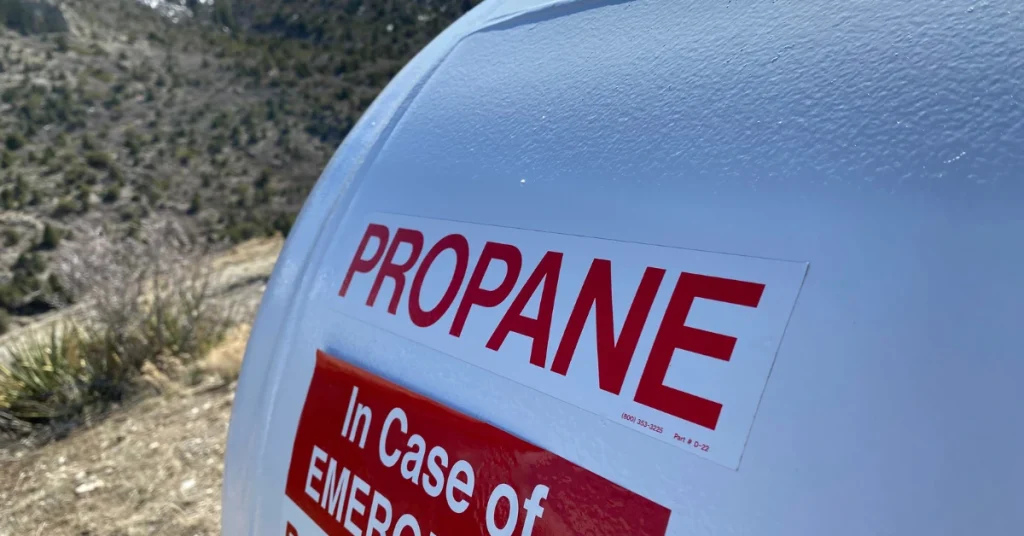
Selecting the appropriate propane tank size has a direct impact on how long your propane supply lasts, and how cost-effective and convenient your fuel usage will be. The right size depends on your home’s energy needs, number of appliances, available space, and seasonal usage patterns.
Residential Propane Tank Size Options
| Tank Size | Best For | Estimated Duration | Space Requirements | Pros | Cons |
|---|---|---|---|---|---|
| 100-Gallon | Small homes (water heater only) | 2–4 months | 3 ft from building | Lower cost, compact | Frequent refills, higher per-gallon price |
| 250-Gallon | Medium homes (appliances + water heater) | 4–6 months | 5 ft from building | Balanced size and price | Requires regular monitoring |
| 500-Gallon | Larger homes (heating, cooking, water) | 6–12 months | 10 ft from building | Fewer deliveries, better pricing | Higher upfront cost, more space needed |
| 1000-Gallon | Large homes (whole-house propane) | 12–18 months | 25 ft from building | Maximum convenience, best rate | Large space needed, highest cost |
Factors to Consider When Sizing Your Tank
To choose the right tank size, consider your:
- Home’s total square footage and insulation quality
- Number and type of propane-powered appliances
- Average seasonal temperatures and climate zone
- How often you want to schedule refills
Need help sizing your tank? Bellows Plumbing, Heating, Cooling & Electrical can perform a detailed energy assessment to recommend the ideal setup for your property and usage patterns.
Maximizing Your Propane’s Lifespan: 5 Key Efficiency Factors
How long does propane last in your home? The answer depends on more than just tank size, it’s also influenced by how efficiently you use your system. These five key factors directly impact how long your propane supply will last and how much value you get from every refill.
1. Appliance Efficiency Rating
Modern propane appliances are significantly more efficient than older models. For example:
New propane furnaces can reach up to 98% AFUE (Annual Fuel Utilization Efficiency)
Older models often operate at just 70-80%
Upgrading to high-efficiency heating options can reduce your propane usage by 20-30%, stretching your supply while cutting utility costs.
2. System Maintenance Status
A well-maintained propane system can consume 10% less fuel than one that’s neglected.
Bellows Plumbing, Heating, Cooling & Electrical offers full-service propane system maintenance, including:
Annual inspections
Burner cleaning and adjustments
Safety control testing
Efficiency tuning and diagnostics
Routine maintenance keeps your system running smoothly and extends the lifespan of your equipment – and your fuel.
3. Home Insulation Quality
The better your insulation, the less heat escapes – and the longer your propane lasts.
Focus on upgrading or checking:
Attics and crawl spaces
Wall cavities
Window and door seals
Ductwork in garages or basements
Improving insulation can reduce heating demand by 15-20%, especially during winter months.
4. Usage Patterns & Smart Controls
When and how you use propane matters. Smart home tech and usage habits can cut propane consumption by up to 15%.
Some strategies include:
Using smart thermostats for zone heating
Scheduling heat during occupancy hours only
Lowering the temperature a few degrees at night
Avoiding peak-demand spikes
Explore the energy-saving potential of smart thermostats and home automation tools to control your propane usage more effectively.
5. Environmental Conditions
Outdoor conditions have a direct impact on how long your propane lasts.
Key factors include:
Outdoor temperature fluctuations
Wind chill and exposure
Shaded vs. sunny sides of the home
Local climate (fog, humidity, etc.)
Bellows can help you adjust your system based on these environmental variables to keep propane usage efficient, no matter the season.
Cold Weather and Your Propane Supply: Essential Information
While propane remains chemically stable in most climates, cold temperatures can affect how long your propane lasts and how well your system performs.
How Long Does Propane Last in Cold Temperatures?
Propane maintains its gaseous state down to -44°F (-42°C), but as the outside temperature drops, so does the pressure inside your tank. Most homeowners won’t see major issues until the temperature dips below 32°F. But once it approaches 0°F, you may start noticing:
Slower heat output from appliances
Trouble igniting furnaces or water heaters
Intermittent or inconsistent propane system behavior
Smaller tanks (20-100 lbs) tend to suffer the most, since they lose pressure more quickly than larger underground or 500+ gallon systems.
If your home relies on propane through the winter, working with Bellows Plumbing, Heating, Cooling & Electrical ensures your system is properly winterized and calibrated to maintain optimal performance, no matter how low the temperature drops.
How to Extend Propane Performance in Winter
Here are a few proactive steps to keep your propane supply lasting longer during cold spells:
Keep tanks at least 30% full – vapor space is essential for proper pressure.
Choose smart placement – situate tanks in sunny, sheltered areas to avoid wind exposure.
Install insulation wraps or low-wattage heating blankets for small or above-ground tanks in very cold zones.
Schedule a winter maintenance check with Bellows to ensure valves, regulators, and sensors are winter-ready.
Track consumption more closely – usage can spike by 15-25% during extreme cold.
Always have a backup plan, like electric space heaters or auxiliary heating systems for emergencies.
With the right winter strategy, you can prevent outages, maintain indoor comfort, and make your propane supply go further during the coldest months.
Signs Your Propane is Running Low
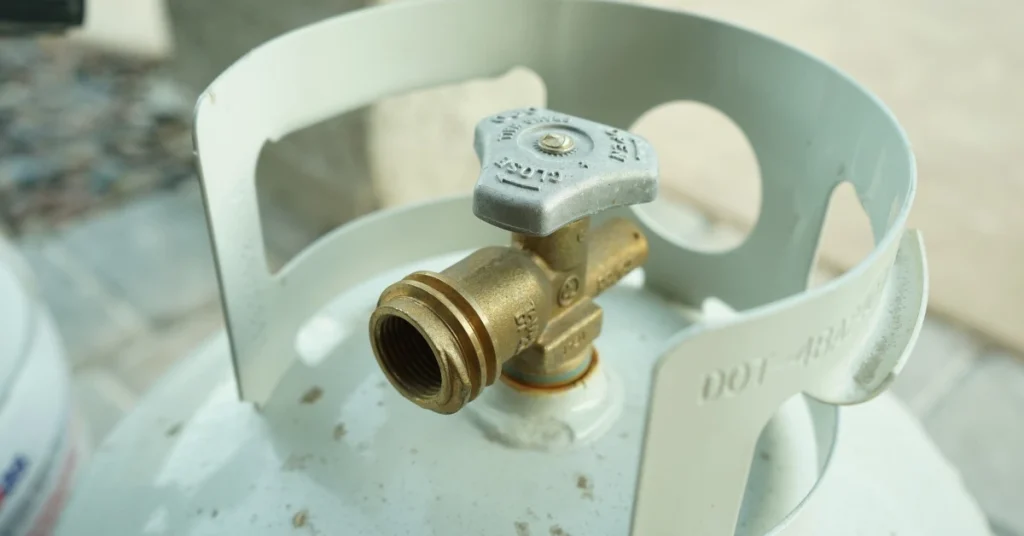
Knowing when your propane supply is nearing empty can help you avoid unexpected outages, especially during colder months when consumption increases. Catching these early signals helps maintain consistent home comfort and protects your appliances from running dry.
Reading Your Propane Gauge
Most residential propane tanks come equipped with a built-in gauge that displays the remaining fuel as a percentage. When your gauge drops to around 20%, it’s time to schedule a refill. Waiting until 10% puts you at risk of running out – particularly during high-usage periods or colder weather, when heating demands spike.
Subtle Warning Signs from Your Appliances
Even before checking the gauge, your appliances may give subtle clues that propane is running low. You might notice weaker or inconsistent flames on stovetops or heating units. Appliances may take longer to heat up, and instead of the standard blue flame, you might see yellow or orange ones – an indication of incomplete combustion. Other warning signs include strange odors during appliance operation, difficulty igniting burners, or reduced hot water recovery time.
Try the Warm Water Test
There’s also a quick physical method to estimate your propane level without specialized tools. Pour warm water down the side of your tank, then run your hand along the metal. The area where propane remains will feel cool to the touch, while the empty section above it will feel warm. That temperature difference helps you estimate how much propane is left inside the tank.
Staying aware of these early indicators helps prevent emergency deliveries, keeps your home running smoothly, and ensures you’re never caught off guard by an empty tank.
Troubleshooting Common Propane Issues
Understanding how to recognize and respond to propane system problems can help you avoid unnecessary downtime, and more importantly, prevent safety hazards. While some issues can be resolved with basic checks, others should always be handled by licensed professionals.
If Your Appliance Won’t Ignite
Start by checking your propane level using the tank gauge or the warm water method. Ensure the tank’s main valve is fully open and that your pilot lights are functioning properly. If you detect any gas odor during this process, turn off the tank immediately, evacuate the area, and contact Bellows Plumbing, Heating, Cooling & Electrical for emergency assistance.
Weak Flame or Poor Appliance Performance
If your appliance is producing a weak flame or heating inconsistently, it may be due to partially blocked burners, incorrect air-fuel mixture, or a drop in tank pressure. In many cases, cleaning the burner ports with a small wire brush or compressed air can restore performance. However, if the issue persists, a licensed technician should inspect the regulator and pressure settings to avoid further damage or inefficiency.
Smelling Gas or Hearing Strange Noises
Propane is naturally odorless, but suppliers add a chemical called mercaptan to give it a distinct “rotten egg” smell for safety. A strong propane odor inside or near your home is a serious warning sign of a leak. Likewise, hissing or whistling noises from the tank, piping, or regulators could indicate escaping gas. In either case, you should evacuate immediately and call a propane professional, do not attempt to troubleshoot these issues yourself.
If the System Won’t Reset After Running Empty
Running a propane tank completely dry introduces air into the gas lines, which prevents your system from restarting until it’s professionally purged and pressure-tested. Never try to relight or reset the system after complete depletion without a technician’s help, as incorrect handling can result in leaks or combustion risk.
When to Call the Pros
If you notice gas odors, pressure issues, ignition failures, or anything involving valves or regulators, it’s time to contact the experts. Bellows Plumbing, Heating, Cooling & Electrical offers 24/7 emergency propane service throughout the Bay Area. Our certified technicians can quickly diagnose and repair propane problems while ensuring your system is safe, compliant, and fully operational.
Professional Propane Management: The Bellows Advantage
Proper propane system maintenance is essential for long-term performance, safety, and energy efficiency. At Bellows Plumbing, Heating, Cooling & Electrical, we provide full-service propane support designed to keep your home running smoothly-year-round.
Our expert technicians offer:
Comprehensive system inspections and scheduled maintenance
24/7 emergency response and gas leak detection
System upgrades for better pressure control and efficiency
Personalized consultations to design the safest, most cost-effective setup for your home
With decades of hands-on experience across the Bay Area, our team helps extend the life of your propane system, reduce fuel consumption, and ensure you’re always prepared-no matter the season.
Safety Considerations for Maximum Propane Longevity
Safety isn’t just about preventing accidents, it also plays a critical role in how long your propane supply lasts. Following proper storage and maintenance practices helps protect your home, extend your system’s lifespan, and improve propane efficiency.
Smart Storage Practices for Safe, Long-Term Use
Propane tanks must always be stored upright on stable, level surfaces. Avoid enclosed spaces like garages or basements, well-ventilated outdoor areas are ideal. Tanks should be kept at least 10 feet away from heat sources, electrical panels, or open flames.
For added protection, ensure that tanks have working safety caps, weatherproof covers, and drainage to prevent water accumulation. California safety regulations also require a minimum 3-foot clearance from building foundations and property lines.
Why Regular Professional Inspections Matter
Partnering with Bellows Plumbing, Heating, Cooling & Electrical for ongoing system maintenance ensures your propane setup remains safe and reliable. Our certified technicians:
Detect leaks early using advanced diagnostic equipment
Verify regulator performance, valve integrity, and system pressure
Calibrate burners for optimal fuel efficiency and output
Replace worn components before they cause system failures
Confirm your setup meets all local and state safety codes
These routine inspections help prevent service disruptions, reduce propane waste, and keep your home protected during high-usage periods.
How Long Does Propane Last? Reliable Energy for Your Home
Understanding how long propane lasts isn’t just a technical detail, it’s the key to confident, cost-effective home energy management. With proper storage, seasonal care, and expert maintenance, your propane system can deliver safe, reliable service all year long.
Propane has an indefinite shelf life when stored under the right conditions. Factors like tank size, appliance efficiency, and cold weather can significantly affect how long your supply lasts. Regular maintenance alone can reduce consumption by up to 10%, while choosing the right tank size helps you avoid frequent refills and lower your per-gallon cost.
With these strategies in place, you can stretch your fuel further, avoid service interruptions, and enjoy steady comfort through every season.
Trust Us for Expert Propane Solutions
When it comes to propane safety, efficiency, and long-term performance, Bellows Plumbing, Heating, Cooling & Electrical is the team homeowners across the Bay Area rely on. Whether you’re running a propane furnace, water heater, or full-home system, we help you make the most of your fuel investment.
Don’t let small inefficiencies shorten your supply or compromise your comfort. Contact us today to schedule expert propane system maintenance, upgrades, or performance assessments.
Our certified technicians will help you optimize your setup, extend your system’s lifespan, and ensure you get the most from every gallon, so you always know exactly how long your propane will last.