
Your Bay Area home has character you can’t find in new construction – original hardwood floors, architectural details, and the charm of quality craftsmanship. But when you turn on the shower and watch rust-colored water sputter out, that appeal suddenly diminishes.
I’ve worked with homeowners across Santa Cruz, San Jose, Marin, San Francisco, Sonoma, and Santa Clara counties facing this exact situation, and here’s what most people don’t realize: galvanized pipes in Bay Area homes aren’t following textbook lifespans anymore – coastal salt air, mineral-rich water, and decades of thermal stress are accelerating corrosion in ways that demand strategic replacement planning.
The question isn’t whether your galvanized pipes will fail. They will. The question is whether you’ll manage that failure proactively with a clear timeline, or let it manage you through emergency repairs and water damage. Here’s the decision framework that protects your investment without overspending on premature replacements.
Understanding Galvanized Pipe Deterioration in Bay Area Conditions
Galvanized pipes seemed like solid technology when your home was built. Steel pipes coated with zinc to prevent rust – straightforward protection. But Bay Area environments found the weakness. Salt-laden fog in coastal areas, mineral-heavy water throughout the region, and constant temperature fluctuations all work against that protective zinc coating.
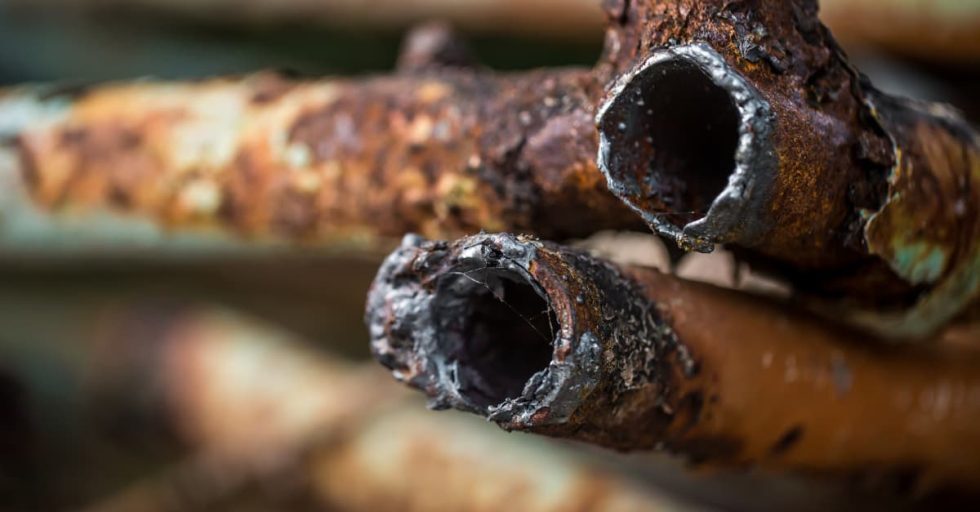
The corrosion process works from the inside out. First, the zinc layer wears thin from water flow and chemical reactions. Then, exposed steel begins its inevitable transformation into rust. This rust doesn’t just stain your water – it accumulates on pipe walls, narrowing diameter and creating perfect conditions for pinhole leaks to develop. By the time you see rust in your water, internal damage is already extensive.
What makes this particularly challenging? The damage isn’t uniform throughout your home. Pipes closest to exterior walls suffer more exposure to temperature swings and humidity. Your bathroom might show severe symptoms while kitchen pipes appear fine. Horizontal runs corrode differently than vertical ones. This uneven deterioration complicates replacement decisions and timing.
I’ve analyzed plumbing failures across the Bay Area, and the pattern remains consistent: homeowners who understand deterioration stages plan proactively and avoid emergency situations. Those who ignore warning signs end up managing crises at the worst possible times – usually when traveling or during holidays.
Reading the Warning Signs Before Crisis Hits
Understanding deterioration stages helps you plan replacement on your schedule rather than react to emergencies. Here’s how galvanized pipe failure typically progresses in Bay Area homes:
Stage 1 – Minor Symptoms (Pipes 20-30 years old)
- Slight pressure reduction – Showers feel less powerful than they did a few years ago
- Occasional discoloration – Brown water after vacations or when first turning on taps in the morning
- Slow drains developing – Rust accumulation begins affecting drainage patterns
- Water heater sediment – Your water heater requires more frequent flushing
Stage 2 – Escalating Problems (Pipes 30-40 years old)
- Frequent rust water – Discoloration becomes regular, especially during morning use
- Multiple fixture issues – Several locations throughout your home show reduced flow
- Minor leaks appearing – Usually at joints and connections first, then spreading
- Water heater problems – Rust sediment damages heating elements and reduces efficiency
- Appliance complaints – Washing machines and dishwashers show reduced performance
Stage 3 – Critical Failure Zone (Pipes 40+ years old)
- Pinhole leaks multiplying – New leaks appear faster than you can schedule repairs
- Severe flow restriction – Appliances can’t function properly due to low pressure
- Water quality concerns – Constant rust makes water unsuitable for drinking or cooking
- Structural damage risk – Hidden leaks threaten walls, ceilings, and foundations
- Insurance complications – Some policies exclude damage from known deteriorating pipes
The Partial vs. Complete Replacement Decision
This decision creates more anxiety for Bay Area homeowners than almost any other plumbing choice. Replace everything at once? Phase the project over time? Only fix what’s actively failing? Let me share what actually works based on regional conditions and practical contractor experience.
Partial replacement sounds economical – why replace pipes that still function? But here’s the reality: galvanized pipes in your home deteriorate at similar rates. If your bathroom pipes need replacement, your kitchen pipes probably aren’t far behind. The timeframe might differ by months, not years. Additionally, connecting new pipes to old galvanized creates electrochemical reactions at junction points that actually accelerate corrosion where they meet.
However, complete replacement isn’t always immediately feasible for every budget or situation. Some homeowners successfully phase replacement by system:
- Phase 1 – Main supply line and water heater connections – Addresses the highest-pressure, highest-risk sections first
- Phase 2 – Bathroom plumbing during remodel – Capitalizes on already-open walls to reduce labor costs
- Phase 3 – Kitchen and laundry areas – Updates high-use fixtures and appliance connections
- Phase 4 – Remaining distribution lines – Completes the system for full peace of mind
This approach works if you can complete all phases within 2-3 years. Stretching it longer often means living with increasingly frequent failures between phases. Each emergency repair adds stress and expense that phased planning was supposed to avoid.
Material Choices That Work in Bay Area Conditions
Your replacement material choice matters significantly in our regional climate. Coastal salt air, seismic activity, and local water chemistry all influence long-term performance. Let’s evaluate options:
Copper – The Proven Standard
Copper handles Bay Area conditions exceptionally well – it’s why marine hardware and commercial buildings rely on it. Type L copper (thicker walls than Type M) provides excellent longevity in our environment. The material naturally resists corrosion, handles seismic movement through proper installation techniques, and typically lasts 50-70 years when properly installed.
The considerations? Copper requires skilled installation and takes longer than alternatives. Material costs fluctuate with commodity markets. However, you’re making a long-term investment in proven reliability.
PEX – The Modern Alternative
Cross-linked polyethylene (PEX) resists corrosion completely – salt air, mineral content, and water chemistry can’t degrade it. Installation happens faster because PEX flexibility means fewer connections and easier routing through existing structures. The material handles seismic movement well and doesn’t corrode at connection points.
Some homeowners question plastic longevity, but PEX has performed reliably in residential applications for over 25 years now. It’s become the standard for new construction throughout California and handles our building code requirements effectively.
Hybrid Approaches
Many contractors recommend copper for main lines and PEX for distribution branches. This approach puts proven copper durability where it matters most – your main supply lines and critical connections – while taking advantage of PEX’s flexibility and installation efficiency for branch lines to individual fixtures. You get balanced performance at reasonable overall project costs.
CPVC – Limited Applications
Chlorinated polyvinyl chloride costs less than other options but comes with trade-offs worth understanding. It handles corrosion well but becomes brittle over time, especially in spaces where temperatures fluctuate significantly. Fine for specific applications but generally not recommended for whole-house replacement in Bay Area conditions.
Timing Your Replacement Project Strategically
When you schedule replacement matters almost as much as the materials and approach you choose. Bay Area conditions offer some flexibility, but consider these timing factors:
Seasonal Considerations
Our dry months (April through October) provide ideal working conditions. Contractors maintain busier schedules during this period, but you’ll avoid complications from winter storms and excessive rain. If you need to shut off water for extended periods, warm weather makes temporary arrangements more manageable. Ground conditions also stay more stable during dry months, which matters for any exterior excavation work.
Coordination Opportunities
Planning any renovations in the next year or two? That creates your optimal opportunity. Repiping during kitchen or bathroom remodels dramatically reduces overall project costs since walls are already open. Access is already established. Cleanup and restoration happen once instead of twice. Many homeowners reduce total project expenses substantially by coordinating these updates.
Market Timing
Material costs fluctuate with global commodity markets and supply chain conditions. Copper prices especially vary significantly. If you’re not facing emergency conditions, monitoring prices over a few months might create savings opportunities. Your plumber can advise on current market trends and whether prices are likely to rise or fall in coming months.
Financial Planning for Inevitable Replacement
Galvanized pipe replacement isn’t a matter of if but when. Smart financial planning makes this major expense manageable rather than catastrophic:
- Get multiple detailed quotes – Prices vary significantly between contractors for identical work
- Explore financing options – Many plumbers and home improvement lenders offer payment plans
- Check insurance coverage carefully – Some policies cover damage from sudden pipe failures
- Investigate local rebates – Water districts occasionally offer efficiency incentives for upgrades
- Consider home equity options – Rolling repiping into broader home improvements might make financial sense
- Plan for contingencies – Budget an additional 15-20% for unexpected complications
Compare replacement investment to water damage restoration costs – which often exceed the repiping investment itself when you factor in mold remediation, structural repairs, and temporary housing. Prevention increasingly looks like the economical choice when you calculate total risk.
Living Through the Replacement Process
Understanding what to expect helps you prepare appropriately and reduce stress. Complete repiping typically takes 2-5 days depending on home size, complexity, and chosen approach. Here’s the realistic timeline:
Days 1-2 involve cutting access holes and removing old pipes. It’s messy and disruptive – there’s no getting around that reality. Water gets shut off for extended periods. Plan accordingly. Some families book local hotels, stay with friends, or arrange alternative facilities. Protect flooring and furniture in work areas. Expect noise and activity.
Days 3-4 see new pipe installation progressing. Water service gets restored incrementally as sections complete. You might have partial service – bathroom working but kitchen not yet, or vice versa. This beats no service but requires patience and flexibility.
Day 5 covers pressure testing, final connections, and initial wall patching. Full service returns, though water might run cloudy initially as air purges from new lines. Let taps run for several minutes to clear the system.
The disruption is real but temporary. Most homeowners report that the peace of mind afterward – knowing they won’t face plumbing emergencies for decades – makes every inconvenience worthwhile.
Protecting Your Investment Until Replacement
If you’re not ready for immediate replacement, protect your home with these proactive strategies:
Regular Monitoring – Check vulnerable areas monthly. Under sinks, water heater closets, crawl spaces, and basement areas need visual inspection. Look for moisture, staining, or mineral deposits that signal developing leaks.
Smart Technology – Install water sensors in high-risk locations. Smart leak detectors can alert your phone about problems immediately, even when you’re away from home. Whole-house shut-off valves give you remote control over your water supply.
Documentation – Photograph visible pipes regularly. Note repair dates and locations. Save all receipts and inspection reports. This documentation helps with insurance claims and provides valuable history for contractors when you’re ready to replace.
Emergency Preparedness – Know where every shut-off valve in your home is located. Keep a plumber’s emergency number readily accessible. Maintain relationships with water damage restoration companies before you need them – response time matters significantly when pipes fail.
Making the Decision That Protects Your Bay Area Home
Your home’s galvanized pipes will eventually fail – age and regional conditions guarantee it. The question is whether you’ll manage that failure proactively or let it manage you through emergency responses and crisis decisions.
If your pipes are approaching 30 years old, start planning now. Get professional inspections that include camera evaluation of pipe interiors. Gather quotes from multiple contractors. Explore financing options. Build replacement costs into your long-term home maintenance budget.
For pipes showing Stage 2 symptoms – frequent discoloration, multiple minor leaks, pressure problems – don’t delay beyond this year. The transition from annoying to catastrophic happens faster than most homeowners expect with galvanized pipes. Each month you wait increases your risk of water damage that exceeds what replacement would have cost.
Stage 3 symptoms mean immediate action. You’re living on borrowed time, and the next failure could cause serious structural damage. Emergency repiping costs more than planned replacement, and you’ll have less control over timing, materials, and contractor selection.
Remember, you’re not just replacing pipes. You’re protecting your home’s structure, ensuring safe water quality, preserving property values, and buying decades of reliable service. In a region that challenges building materials through climate variation, seismic activity, and environmental factors, that investment in modern, corrosion-resistant plumbing pays ongoing dividends through avoided disasters and maintained home value.
Your Bay Area home deserves plumbing infrastructure that matches its quality and longevity. Make the replacement decision on your timeline, before rust-weakened pipes force your hand at the worst possible moment.
Bellows Plumbing, Heating, Cooling & Electrical serves homeowners throughout Santa Cruz, San Jose, Marin, San Francisco, Sonoma, and Santa Clara counties. When you’re ready to assess your galvanized pipe condition and explore replacement options, professional evaluation gives you the information and timeline you need to make confident decisions that protect your home and your family.