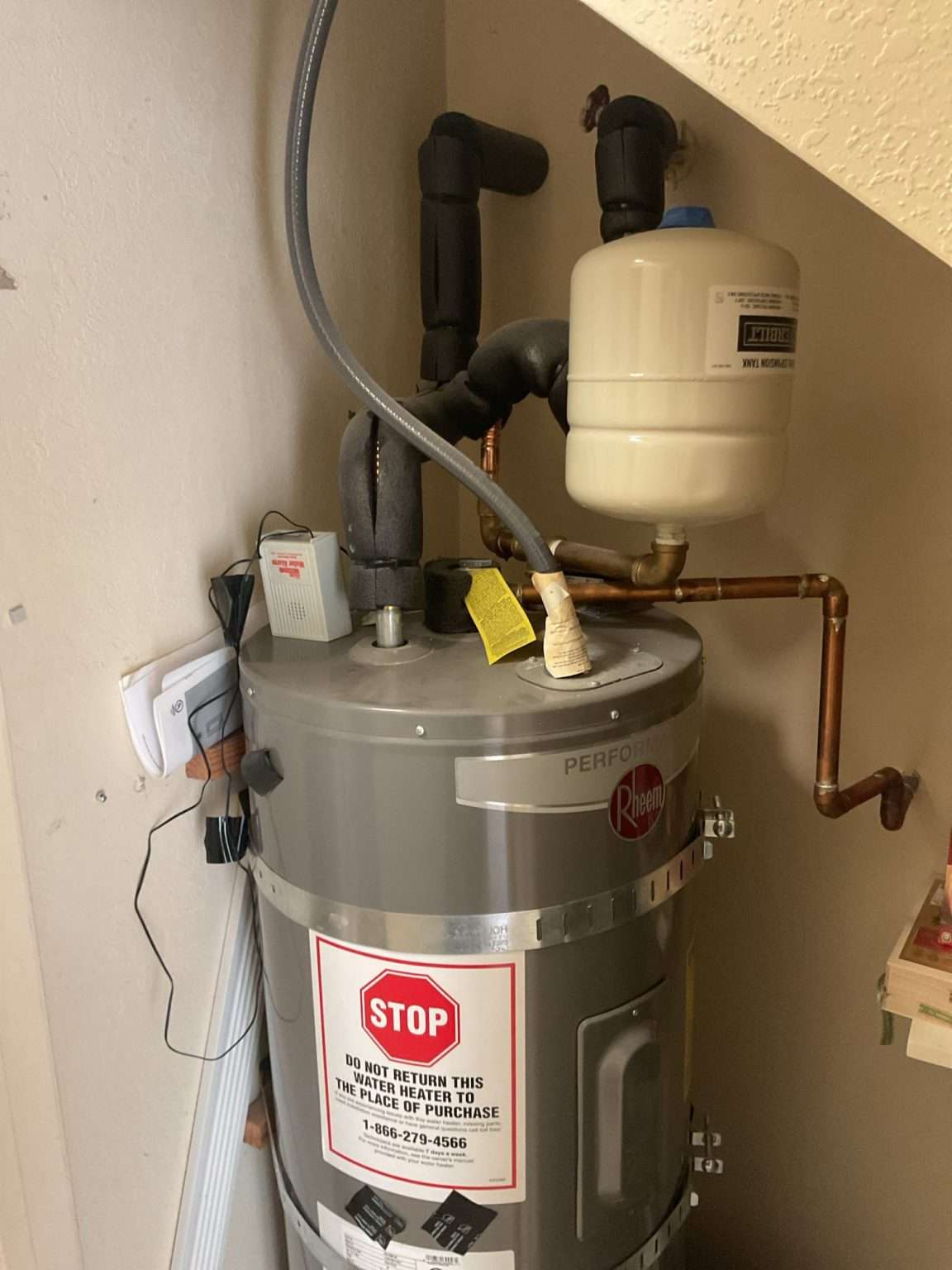

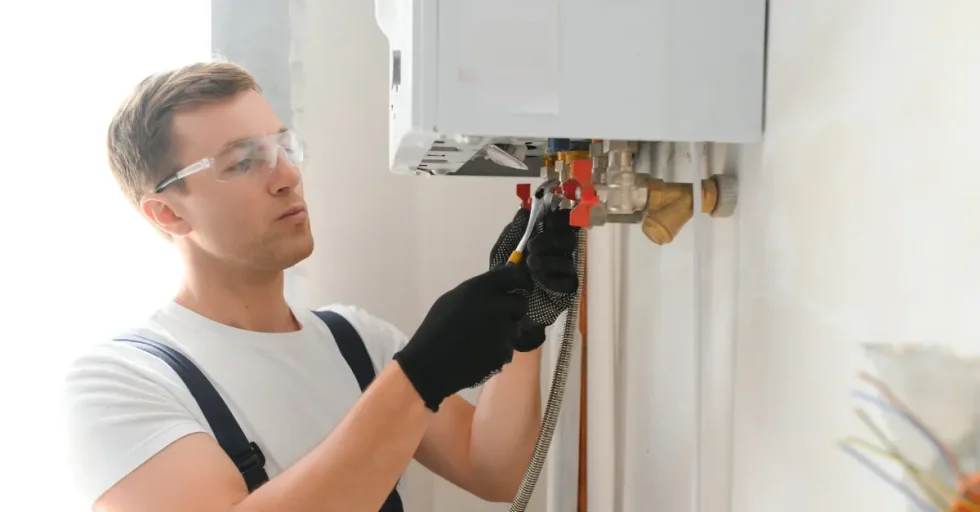
You might be surprised to learn that one of the biggest energy hogs in your San Francisco Bay Area or Coastal home is something you probably don’t think about much-your water heater.
If you’re in the market for a new unit, this is the perfect time to explore your options and understand the key differences between a heat pump water heater vs tankless system. Each offers unique benefits when it comes to energy efficiency, performance, and long-term savings.
While both systems are known for lowering energy bills and supporting a more eco-conscious lifestyle, they operate in completely different ways. Choosing the right one depends on your home’s size, your daily hot water needs, and your budget.
In this guide, we’ll break down everything you need to know about heat pump water heaters vs tankless options to help you make a smart, informed decision for your next upgrade.
Key Takeaways:
-
Energy Efficiency: Heat pump water heaters are highly efficient, reducing energy bills significantly-especially when compared to conventional electric or gas models.
-
Endless Hot Water: Tankless water heaters provide unlimited hot water on demand, ideal for high usage. Keep in mind, this doesn’t mean instant hot water-you need a recirculation pump for that-but it does mean continuous hot water.
-
Installation Costs: Both systems come with high upfront costs due to specialized installation requirements. You can learn more in our guide to new water heater costs.
-
Climate Considerations: Heat pump water heaters are ideal for mild climates like the Bay Area, but less effective in cold environments. Tankless systems may struggle with performance during high simultaneous demand.
-
Space Requirements: Heat pumps require clearance around the unit, while tankless systems are compact and wall-mounted-perfect for homes with limited space.
-
Environmental Impact: Heat pump water heaters are one of the most eco-friendly options available and align well with sustainable living goals. Tankless units (especially gas-powered ones) can have a larger carbon footprint.
-
Rebates and Incentives: Local utility and community choice aggregator rebates can still make heat pumps more affordable. TECH Clean California is fully reserved and the federal 25C credit expired for equipment placed in service after 31 December 2025.
How Heat Pump Water Heaters Work
Heat pump water heaters don’t generate heat the way traditional systems do-they move it. This energy-efficient design makes them one of the most eco-friendly water heating options available for Bay Area homes. Let’s break down how they function and why they’re so efficient.
Heat Transfer Technology, Not Heat Generation
Instead of directly heating water with electric resistance or gas combustion, a heat pump water heater uses electricity to capture ambient heat from the surrounding air. It then compresses that heat and transfers it to the water stored in a tank. This is the same principle your refrigerator uses, but in reverse-pulling heat in instead of pushing it out.
Because heat is transferred rather than created, the system requires much less energy to do the same job. This process is what makes heat pump water heaters up to three times more energy efficient than conventional electric water heaters. You can learn more about how they work and their unique advantages on our dedicated heat pump water heater service page.
Why It’s Ideal for the Bay Area Climate
Since heat pump water heaters pull warmth from the air, they work best in environments with mild to warm temperatures-making the San Francisco Bay Area a perfect match. In addition to heating water efficiently, these systems also have the added benefit of dehumidifying and slightly cooling the surrounding space, which can be especially useful when installed in areas like garages or utility rooms.
For homeowners concerned with rising energy bills and sustainability, this type of water heater offers both long-term savings and environmental benefits.
Pros of a Heat Pump Water Heater
A heat pump water heater offers numerous advantages beyond just being energy-efficient. Homeowners in the San Francisco Bay Area and similar mild climates often find these systems to be a smart long-term investment. Here are some of the key benefits you can expect:
1. Exceptional Energy Efficiency
Heat pump water heaters use electricity to move heat rather than generate it, making them up to three times more efficient than traditional electric models. This means they use far less energy to deliver the same amount of hot water.
2. Lower Long-Term Operating Costs
Because of their efficiency, these systems lead to significant savings over time. Homeowners can expect lower monthly utility bills, which quickly offsets the initial investment and results in long-term cost reductions.
3. Quiet Operation
Modern heat pump systems are designed to operate quietly, making them a great fit for installation in areas near living spaces such as closets or utility rooms.
4. Additional Cooling and Dehumidification
An added bonus of a heat pump water heater is that it pulls heat from the surrounding air, which naturally cools and dehumidifies the area. This can be especially beneficial during warmer months in enclosed spaces like garages or basements.
Cons of a Heat Pump Water Heater
While the benefits are compelling, heat pump water heaters are not ideal for every home or situation. Below are a few important considerations and potential drawbacks:
1. Higher Upfront Installation Cost
These systems typically come with higher upfront costs due to more complex installation requirements and possible upgrades to your electrical system. However, rebate programs and tax incentives may help offset these costs.
2. Requires More Space
Heat pump units need sufficient space around them to operate efficiently. Homeowners with limited square footage may struggle to find an appropriate installation location, especially in compact homes or condos.
3. Reduced Efficiency in Cold Environments
Although the Bay Area’s climate is generally mild, it’s worth noting that these systems can lose efficiency in colder areas or unheated spaces. They perform best in ambient temperatures above 40°F.
4. Slower Recovery Time Compared to Tankless Systems
Unlike tankless water heaters that provide hot water on demand, heat pump systems may take longer to reheat water. This can be an issue in large households with high simultaneous hot water usage.
Tankless Water Heaters: On-Demand Hot Water
Tankless water heaters offer a sleek, modern solution for on-demand hot water delivery. Unlike traditional tanks, they heat water only when you need it, making them an attractive choice for energy-conscious homeowners throughout the Bay Area. They’re especially popular in homes where space is tight and hot water usage varies throughout the day.
Choosing the right system requires understanding how these units function, where they shine, and where they might fall short. Let’s break down the pros and cons of installing a tankless water heater in your home.
Benefits of Tankless Water Heaters
While tankless systems come with a higher upfront price, many homeowners view them as a long-term investment. Here are some of the most notable benefits that make them worth considering.
- Endless Hot Water Supply: If your home often experiences high water demand-think back-to-back showers, laundry, and dishwashing-a tankless water heater provides continuous hot water without the need to wait for a tank to refill.
- Space-Saving Design: One of the standout features of tankless units is their compact, wall-mounted design. This makes them ideal for homes where space is limited or where you want to maximize utility room functionality.
- Long Lifespan: With proper maintenance, tankless water heaters can last over two decades. This extended lifespan helps balance the initial investment and ensures years of dependable performance.
- Energy Efficiency: Because these systems only heat water when needed, they eliminate standby energy loss. This makes them a great option for reducing monthly energy bills in homes with moderate to low hot water usage patterns.
Drawbacks of Tankless Water Heaters
Despite their many advantages, tankless systems are not a one-size-fits-all solution. It’s important to weigh the potential drawbacks, especially if your home has unique demands or infrastructure limitations.
- Higher Upfront Costs: The cost of the unit, labor, and potential home modifications often make tankless systems more expensive to install compared to traditional tanks or heat pump water heaters.
- Performance During High Demand: In households where multiple hot water sources are used at once, a single tankless unit might struggle to keep up. Some families may require multiple systems to ensure consistent supply.
- Electrical or Gas System Upgrades: To function efficiently, tankless systems often need upgraded gas lines or electrical panels. These upgrades can drive up the overall installation cost and add logistical challenges, particularly in older homes.
- No Built-In Hot Water Storage: Unlike heat pump water heaters that store a reserve of hot water, tankless systems operate on real-time demand. If your water needs spike suddenly, there’s no buffer to fall back on, which may affect consistency.
Heat Pump vs Tankless Water Heaters: Side-by-Side Comparison
If you’re still deciding between a heat pump water heater and a tankless system, the table below breaks down key differences in performance, cost, and space. Use this quick reference to help you identify which option aligns better with your household’s energy needs and lifestyle.
| Feature | Heat Pump Water Heater | Tankless Water Heater |
|---|---|---|
| Energy Efficiency | ✅ Extremely efficient (up to 3x more efficient than electric) | ⚠️ Efficient only when in use; may require upgrades |
| Endless Hot Water | ❌ Limited by tank size | ✅ Yes, on-demand and continuous |
| Space Required | Requires surrounding clearance and installation space | Wall-mounted, compact and ideal for small spaces |
| Initial Cost | High upfront cost (may qualify for local utility rebates) | High upfront cost + potential panel/gas line upgrades |
| Lifespan | 10–15 years (with maintenance) | 20+ years (with maintenance) |
Choosing the Right Water Heater for Your Home
The best water heating option for your Bay Area home involves careful consideration. Before rushing into a decision, consider these factors carefully.
Compare Energy Costs in the Bay Area
Knowing energy costs here is essential. San Francisco Bay Area and the Coastal area traditionally experience higher-than-average energy prices.
If your household prioritizes minimizing energy bills and long-term savings, leaning towards a highly efficient heat pump water heater might make more financial sense in the long run, even if it has higher upfront costs.
You might also want to check for energy efficiency rebates on energy-efficient units with high UEF (uniform energy factor) ratings—the higher, the better.
A model like this Rheem 80-gallon unit found at your local Home Depot, boasting a 4.07 UEF rating, might be perfect. This contrasts sharply with an older natural gas tank at a .64 UEF, meaning significant potential savings. Electric heat pump water heaters provide electric heat pump water, making them an excellent alternative to traditional gas-powered water heaters.
Evaluate Your Available Space
Bay Area homes aren’t known for having abundant square footage. A tankless unit could be a good choice if space is tight, but factor in the possible need to upgrade your electrical service – something you also need to consider for a high-efficiency heat pump.
Upgrading your electrical can be quite costly, so it’s something to remember.
Analyze Your Household’s Hot Water Demand
Think about how much hot water your household uses daily. If long showers or frequently using hot water for laundry and dishes are typical in your house, a tankless option could leave you in a bind, particularly if you are trying to run several things simultaneously.
A traditional tank water heater would better serve you with its reservoir of stored water.
Weigh Upfront Costs vs Long-Term Savings
There’s no way around it; upgrading your water heater is expensive. Many homeowners will share how frustrating it is when those bills pile up.
This is more clear-cut than it initially seems. Remember that installation complexities like rewiring, pipe rerouting, or even upgrading gas lines – often necessary with tankless systems – can significantly inflate that initial figure.
If you want to upgrade to a heat pump water heater, remember that significant modifications may be required to make it compatible with your home’s existing system.
Consider the Environmental Impact
Beyond efficiency and upfront cost, it is important to factor in the long-term environmental footprint when comparing a heat pump water heater vs tankless options. Heat pump water heaters are among the most environmentally friendly systems available. Because they transfer heat instead of generating it, they consume significantly less electricity and help reduce greenhouse gas emissions over time.
On the other hand, tankless systems-especially gas-powered units-can have a larger environmental footprint due to increased carbon emissions during high-demand usage. While electric tankless models are cleaner, they still require substantial energy during operation, which may come from non-renewable sources depending on your utility provider.
If minimizing environmental impact is a priority, a high-efficiency heat pump water heater is a strong choice. When paired with clean electricity or solar panels, it offers a powerful step toward a more sustainable and energy-conscious home.
Don’t Overlook Available Rebates and Incentives
Another significant advantage for our area is that many Bay Area counties offer lucrative rebates on energy-efficient appliances, and heat pumps almost always qualify.
Residents can benefit from significant heat pump rebates in California.
Also, look into other local rebates and potential federal tax credits to offset that upfront sticker shock. These often make heat pumps a much more affordable option for eco-conscious residents.
For instance, upgrading a one-bedroom apartment from a standard tank heater to an efficient Rheem unit might be surprisingly cost-effective when factoring in those rebates.
This option might be far more attractive to an eco-conscious consumer looking for hot water that fits into their more minimalist, environmentally-aware lifestyle.
Making the Right Choice for Your Home
Choosing between a heat pump water heater and a tankless system comes down to what matters most for your home. While tankless systems offer sleek designs and provide continuous hot water, heat pump units deliver impressive energy efficiency and long-term savings. This makes them especially valuable for Bay Area homeowners focused on reducing energy costs and making eco-conscious upgrades.
Before making a decision, think about your household’s hot water usage, available space, budget, and local energy rates. Each system has its strengths, and the right choice will depend on your lifestyle and efficiency goals.
Still weighing your options? You can explore our tankless water heater installation case study to see how we’ve helped local customers make the right call.
Schedule Your Water Heater Upgrade with Bellows
Ready to upgrade your water heater? The experts at Bellows Plumbing, Heating, Cooling & Electrical are here to help you make the best choice for your home. Whether you’re leaning toward a high-efficiency heat pump or a space-saving tankless unit, we’ll walk you through your options and handle the installation from start to finish.
Frequently Asked Questions: Heat Pump Water Heater vs Tankless
1. What is better: a heat pump or tankless water heater?
It depends on your priorities. A heat pump water heater is ideal for energy efficiency and long-term savings, especially in mild climates like the Bay Area. A tankless system, on the other hand, offers endless hot water and a compact footprint, making it perfect for smaller homes or households with intermittent use.
2. What are the disadvantages of a heat pump water heater?
The main downsides include higher upfront costs and reduced performance in colder temperatures. While this isn’t typically an issue in California, it’s something to keep in mind if your home is in a cooler microclimate. These units also need more space and may take longer to heat water compared to gas models.
3. Is a heat pump water heater worth it in California?
Yes-especially in regions like the Bay Area where energy costs are high and mild temperatures support heat pump efficiency. With available rebates and tax credits, homeowners can offset the initial cost and benefit from substantial long-term savings.
4. What are the cons of a tankless water heater?
Tankless systems may struggle to meet high simultaneous hot water demand unless properly sized. They also often require upgrades to your electrical panel or gas lines, which can drive up installation costs.
5. Do tankless and heat pump water heaters qualify for rebates?
Yes. Many California utility providers and federal programs offer rebates and tax incentives for energy-efficient upgrades. Heat pump water heaters often qualify for the largest savings, though TECH Clean California is now fully reserved and the federal 25C credit expired for equipment placed in service after 31 December 2025.