
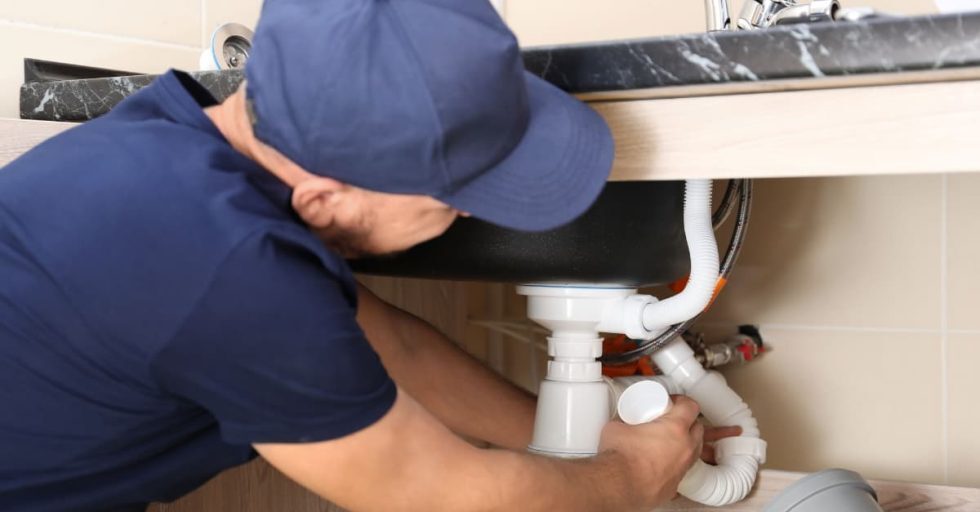
Pipe replacement prevents water damage disasters and typically saves thousands compared to emergency repairs. That harmless drip under your sink? It could be signaling a catastrophe waiting to happen behind your walls.
Here’s what most homeowners don’t realize: the average water damage claim from burst pipes exceeds \$10,000. That’s why proactive pipe replacement and galvanized pipe upgrades aren’t just smart but essential for protecting your home’s value and your peace of mind.
We’ve been providing professional repiping services to San Francisco Bay area homeowners for decades. Those beautiful historic homes with character? They often come with plumbing that’s just as old. This guide shows you exactly when to replace your pipes, what it costs, and how to avoid the stress of emergency repairs.
Key Takeaways:
Warning Signs: Discolored water, low pressure, and frequent leaks mean replacement time-not more repairs
- Cost Benefits: Proactive pipe replacement typically saves thousands in emergency repairs and water damage
- Material Options: Modern pipe materials like PEX and copper offer superior durability and water quality compared to aging galvanized pipes
- Professional Assessment: Camera inspections reveal exactly what needs replacing without guesswork or unnecessary work
- Health Protection: Older pipes can leach lead and other contaminants, posing serious health risks to your family
When Should You Replace Your Pipes? (5 Warning Signs You Can’t Ignore)
If you own a home that’s more than a few decades old, chances are your plumbing system includes outdated or deteriorating materials. While it’s easy to delay pipe replacement in favor of small repairs, waiting too long often results in costly emergencies and structural damage.
Many homeowners don’t realize there’s a problem until rusty water starts coming from the tap, pressure drops, or mysterious damp spots appear. But your plumbing usually gives you early warning signs-if you know what to look for.
Top Signs It’s Time for Pipe Replacement
Here are the most common (and often ignored) signals that your home’s plumbing pipes may need to be replaced:
Discolored or metallic-tasting water Brown, yellow, or reddish water typically means internal corrosion is leaching rust-or worse-into your drinking water.
Consistently low water pressure Corroded pipes can narrow from the inside out, choking water flow and reducing performance throughout your home.
Frequent leaks or damp spots One leak may be an isolated issue. But multiple leaky pipes or recurring water damage usually signal that your system is breaking down.
Visible corrosion or buildup on pipes Rust, green staining on copper, or flaking metal are signs that pipes are degrading-and likely failing behind the walls too.
Moldy or musty odors near walls or ceilings Slow, hidden leaks inside your walls can lead to dangerous mold growth and expensive water damage if not addressed early.
The Case for Acting Early
Proactive pipe replacement allows you to plan on your terms-selecting quality materials, budgeting appropriately, and avoiding the stress of middle-of-the-night emergencies. It’s not just about repairing plumbing. It’s about protecting your investment, your home’s structure, and your family’s health.
🛠️ If your home was built before the 1980s or hasn’t had a plumbing inspection in 10+ years, it’s time to schedule one. Our licensed professionals use camera inspections and pressure testing to give you real answers-so you can make informed decisions, not expensive guesses.
Pipe Repair vs. Pipe Replacement: Which Saves More in the Long Run?
Most homeowners try to avoid major plumbing projects by opting for quick repairs – especially when a small leak or drop in pressure seems manageable. But over time, those “small” issues can add up to a major financial drain.
Here’s how repair and replacement really compare:
| Factor | Repeated Pipe Repairs | Full Pipe Replacement |
|---|---|---|
| Upfront Cost | Lower per service call | Higher initial investment |
| Long-Term Cost | Often exceeds cost of repiping over time | Fixed cost, no recurring repair bills |
| Risk of Water Damage | High – ongoing leaks increase risk | Low – new pipes reduce emergencies |
| Disruption | Frequent visits, repeated wall repairs | One-time project, typically completed in 3-5 days |
| Water Quality | Still affected by old, corroded materials | Clean, consistent, and safe water supply |
| Insurance Claim Risk | Higher – damage from neglected pipes may be denied | Lower – proactive replacement seen as responsible |
| Resale/Home Value Impact | Neutral or negative | Positive – updated plumbing increases property value |
The Bottom Line
If you’re facing repeated leaks, water pressure problems, or visible corrosion, chances are you’re already spending more than you realize. Pipe replacement may seem like a bigger investment upfront, but it often saves thousands in the long run – while protecting your home, your health, and your peace of mind.
Bellows Plumbing, Heating, Cooling & Electrical offers detailed inspections and transparent pricing so you can make the most financially sound decision – not just the fastest fix.
What to Expect During Your Pipe Replacement Project
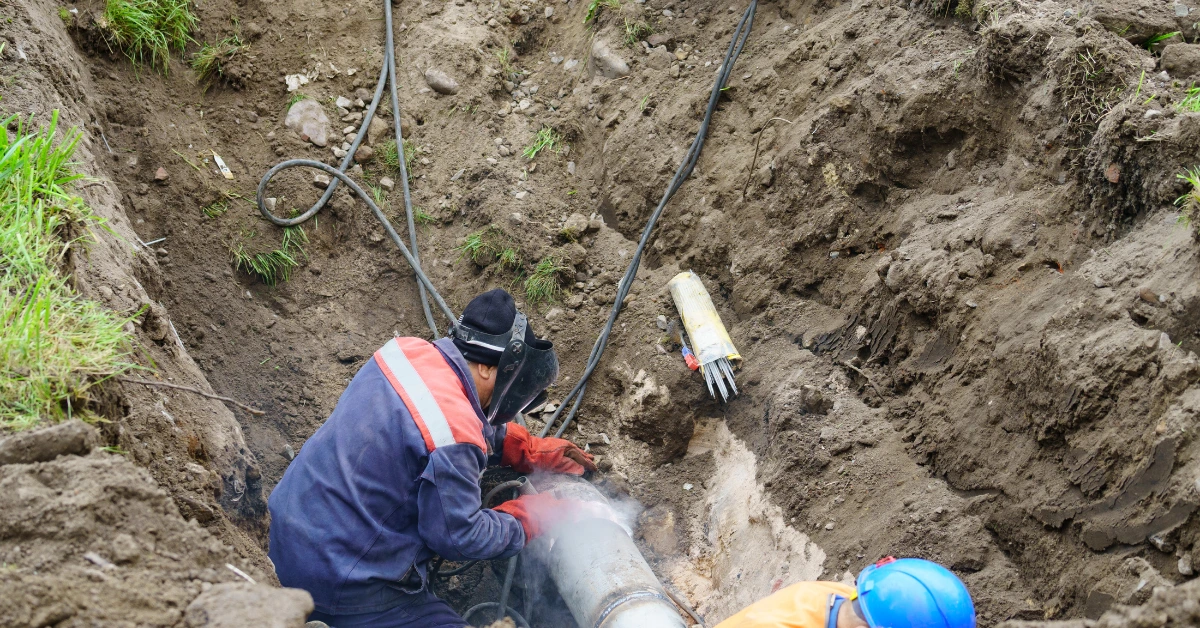
The idea of repiping your home may feel overwhelming, especially if you’ve never been through it before. But understanding what actually happens – and how professional plumbers manage each step – can eliminate stress and help you plan with confidence.
At Bellows Plumbing, Heating, Cooling & Electrical, we follow a clean, efficient process that protects your home, your time, and your peace of mind.
Our Step-by-Step Pipe Replacement Process
Every home is different, but a well-planned repiping project follows a proven framework. Our team at Bellows Plumbing, Heating, Cooling & Electrical handles each phase with precision, using modern tools and best practices to ensure your plumbing upgrade is smooth, efficient, and built to last.
- Inspection & Assessment: We begin with a comprehensive camera inspection and pressure test to map your existing plumbing and identify exact problem areas.
- Material Selection: You’ll receive expert guidance on the best materials for your home – whether it’s PEX, copper, or a hybrid system – based on budget, performance, and your long-term plans.
- Access Planning: We determine precise access points to reach pipes while minimizing impact to your walls, ceilings, and finishes.
- Demolition & Removal: Old pipes are carefully removed in sections, limiting dust, noise, and unnecessary disruption.
- Installation: New pipes are installed and anchored securely, following all local codes and best practices.
- System Testing: We run water through the entire system and check each fixture to ensure proper pressure and zero leaks.
- Restoration: We patch access holes, clean the work area, and leave your home ready for the final touch-ups.
Timeline and What You Can Expect Day-to-Day
Even though every home is different, most pipe replacement projects in the San Francisco Bay Area are completed in 3 to 5 business days. Water is typically restored each evening to keep your household running with minimal interruption.
You’ll never be left in the dark. Our team keeps you informed at every step – from material choices to daily progress – so you can feel confident your home is in the right hands.
Should You Repipe the Whole House or Just One Area?
Not every home needs a full pipe replacement. At Bellows Plumbing, Heating, Cooling & Electrical, we never recommend more work than necessary. In many cases, a targeted repiping project can address the immediate problem without replacing your entire system.
That’s why the first step is always a thorough camera inspection and pressure test. We use data, not guesswork, to determine exactly what needs replacing and what can safely stay in place.
When Partial Pipe Replacement Makes Sense
- The issue is isolated to one area (such as kitchen or bathroom supply lines)
- Your home has mixed piping materials (like copper and galvanized) and only one type is failing
- You are working within a specific budget and want to phase the project
- Parts of your system have already been replaced or upgraded recently
In these cases, we can create a repiping plan that solves the current issue while preparing your home for future upgrades.
When a Full House Repipe Is the Better Choice
Full repiping is often the smarter long-term option if your home was built before 1970 and still has its original plumbing, or if you’re dealing with low water pressure, discolored water, or issues across multiple areas. It’s also recommended when different pipe materials are deteriorating simultaneously, or if you’re planning a home renovation or preparing to sell your property and want to boost its value.
A full repipe offers peace of mind, improved water quality, and one unified project timeline instead of piecing together repairs over several years.
Whether you need a full or partial solution, our team provides a clear breakdown with transparent pricing so you can make the most informed and cost-effective choice.
Best Materials for Pipe Replacement in Older Homes
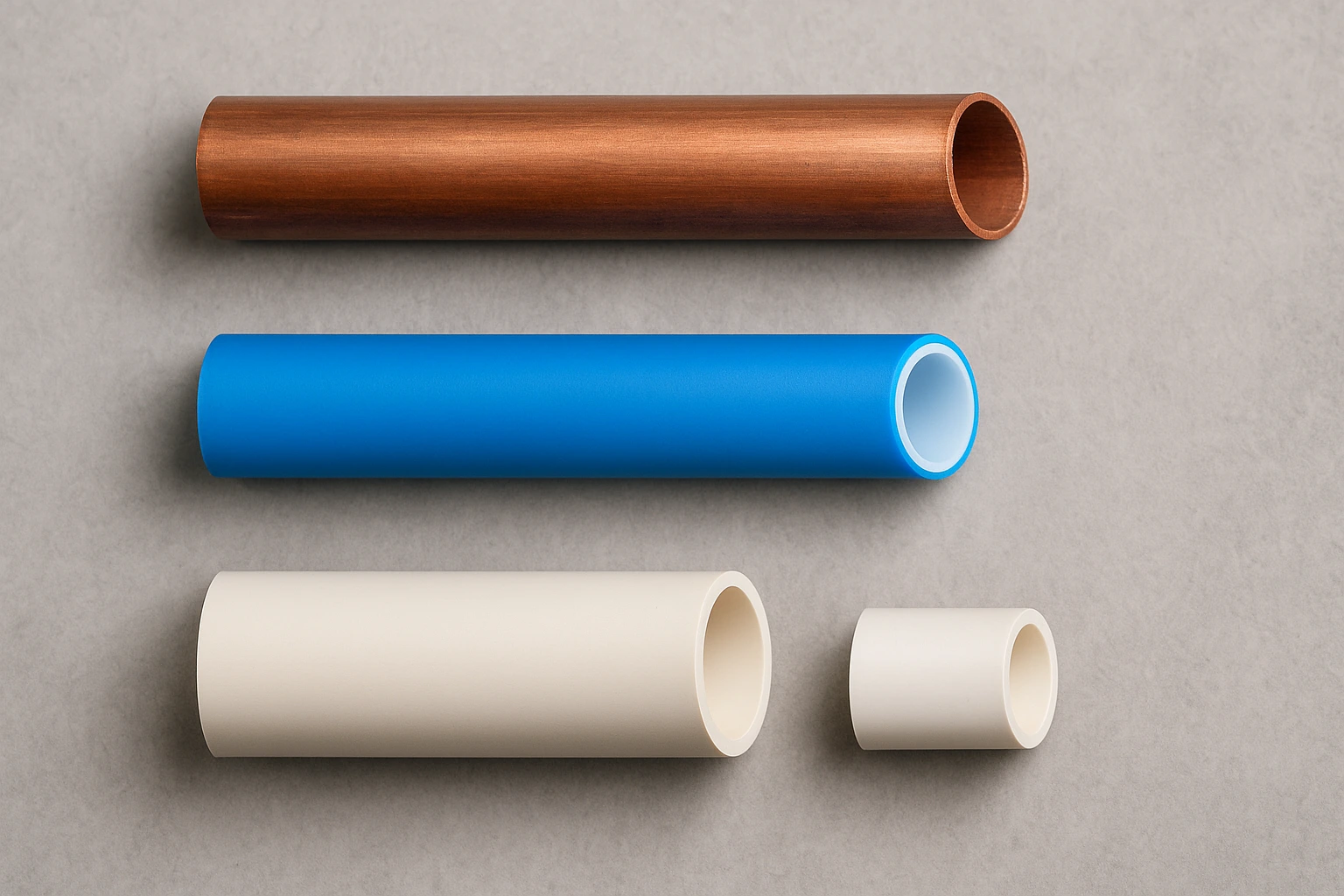
Choosing the right pipe material is one of the most important parts of your repiping project. Different materials offer different advantages in terms of cost, durability, and long-term performance, especially when you’re replacing plumbing in older homes with unique layouts or access challenges.
Copper Pipes
Copper is one of the most time-tested plumbing materials and remains a top choice for many homeowners due to its strength and longevity.
- Lifespan: 50+ years with proper installation
- Pros: Durable, naturally antimicrobial, ideal for hot water lines
- Cons: Higher material and labor costs compared to PEX
Copper is often chosen for its proven reliability and longevity, making it a premium option for long-term performance.
PEX Pipes
PEX has become one of the most popular choices for modern pipe replacement, especially in older homes with tight spaces or limited access.
- Lifespan: 25 to 50 years depending on usage
- Pros: Flexible, affordable, great for retrofitting older homes with minimal wall damage
- Cons: Not ideal for outdoor use or direct sunlight exposure
PEX is a popular choice for many homeowners because it balances performance and cost, especially when access is tight.
PVC & CPVC Pipes
PVC and CPVC are commonly used in modern drain and waste systems and are excellent options for certain cold water or non-pressurized lines.
- Best Use: Drain lines, waste systems, and some cold water supply applications
- Pros: Inexpensive, corrosion-resistant, easy to install
- Cons: Not suitable for hot water in supply lines
While not typically used for full-home water lines, PVC and CPVC still play an important role in modern plumbing systems.
Our team at Bellows Plumbing, Heating, Cooling & Electrical will walk you through the options and help you choose the right material for your home’s age, layout, and future plans.
Trenchless Pipe Replacement: Is It Right for Your Home?
Traditional pipe replacement often meant tearing up landscaping, driveways, and patios. But modern technology has changed all that. If you’re dealing with aging or damaged sewer lines, trenchless pipe replacement could be a smart, minimally invasive alternative.
Trenchless methods allow us to replace underground pipes with little to no digging, making them ideal for older homes, landscaped yards, and properties with hard-to-access sewer lines.
Two Common Trenchless Techniques We Offer
- Pipe Lining: Also known as CIPP (Cured-in-Place Pipe), this method involves inserting a flexible liner coated with epoxy resin into the existing pipe. Once inflated and cured, it forms a brand-new pipe inside the old one without excavation.
- Pipe Bursting: This technique pulls a new pipe through the existing one while breaking apart the old pipe outward. It requires only two small access points and is ideal for severely deteriorated or collapsed lines.
When Trenchless Replacement Makes Sense
Trenchless repiping is especially useful if your existing pipes run under patios, trees, or foundations, or if you want to avoid tearing up your yard or driveway. It’s also ideal for homes with older clay or cast iron sewer lines that are difficult to access. Many homeowners choose trenchless methods for their speed, minimal disruption, and lower restoration costs compared to traditional excavation.
These techniques are typically used for sewer and main line replacements, not for indoor water supply lines. If you’re evaluating options or trying to understand pricing for underground sewer work, you can learn more in our detailed breakdown of main line sewer repair costs.
Not sure if trenchless is right for your home? Our team at Bellows Plumbing, Heating, Cooling & Electrical will evaluate your system, location, and goals to help you decide on the best and most cost-effective replacement method.
Pipe Replacement for Older San Francisco Homes: Special Considerations
If you own a historic home in San Francisco, your plumbing system may be hiding outdated materials, limited access points, and even hidden health hazards. Many homes built before 1986 still contain lead pipes or solder joints, which can leach harmful contaminants into your water supply.
According to the U.S. Environmental Protection Agency, there is no safe level of lead in drinking water, which is why full pipe replacement is often the most responsible long-term solution.
Why Older Homes Require a Different Approach
- A mix of outdated pipe materials (galvanized, cast iron, lead, and copper)
- Unique construction that limits easy plumbing access
- Local ordinances for restoration and historical preservation
- Fragile plaster walls, custom millwork, and finishes that must be carefully preserved
At Bellows Plumbing, Heating, Cooling & Electrical, we’re highly experienced in working with older structures. Our teams use non-invasive diagnostics, targeted access points, and restoration-sensitive methods that protect the integrity of your home while upgrading your plumbing system.
Health and Safety Comes First
Beyond structural concerns, pipe replacement in older homes is often about protecting your family’s health. Replacing aging or corroded pipes improves:
- Water quality by removing sources of lead, rust, or microbial growth
- Water pressure by restoring unrestricted flow
- Peace of mind knowing your system is safe and up to current plumbing code
We’ve helped hundreds of San Francisco homeowners navigate historic plumbing upgrades safely, respectfully, and with full transparency.
Protecting Your Investment: Why Proactive Pipe Replacement Matters
Waiting until a pipe bursts may seem like saving money in the short term, but it often ends in panic, water damage, insurance headaches, and repair bills that could have been avoided entirely. Proactive pipe replacement isn’t just about avoiding disaster, it’s about making a smart investment in your home’s safety, value, and livability.
Replacing old, corroded plumbing improves your water quality, reduces the risk of hidden leaks, and restores consistent water pressure. It also lowers the chances of mold, structural damage, and health risks that can result from long-term water exposure. For older homes, it means bringing your infrastructure up to modern standards, something that’s especially important if you plan to renovate or sell.
Many homeowners find that after repiping, their showers are stronger, their appliances run more efficiently, and their peace of mind skyrockets. No more worrying about mystery leaks behind walls or whether insurance will cover the next surprise. Instead, you gain a clean, sealed plumbing system designed to last for decades.
At Bellows Plumbing, Heating, Cooling & Electrical, we’ve seen the difference proactive pipe replacement can make – and we’re here to help you make the transition smoothly, affordably, and without disruption.
Trust Bellows for Your Pipe Replacement Needs
Pipe replacement represents a significant home improvement investment, but when done properly, it provides decades of reliable service, superior water quality, and protection from catastrophic water damage.
Bellows Plumbing, Heating, Cooling & Electrical brings decades of repiping experience to San Francisco Bay area homeowners, offering transparent pricing, expert craftsmanship, and industry-leading guarantees. Our comprehensive camera inspections ensure you replace only what’s necessary, and our skilled technicians minimize disruption to your home and daily life.
Don’t wait for a plumbing emergency to address aging pipes. Contact Bellows Plumbing, Heating, Cooling & Electrical today for a professional inspection and personalized pipe replacement recommendation tailored to your home’s unique needs!