

Some air conditioning faults mean switch it off now. Others mean book a visit this week. A few you can check yourself in ten minutes. Knowing which is which is the difference between a repair and a compressor.
Switch it off now
These four get worse every minute the system keeps running.
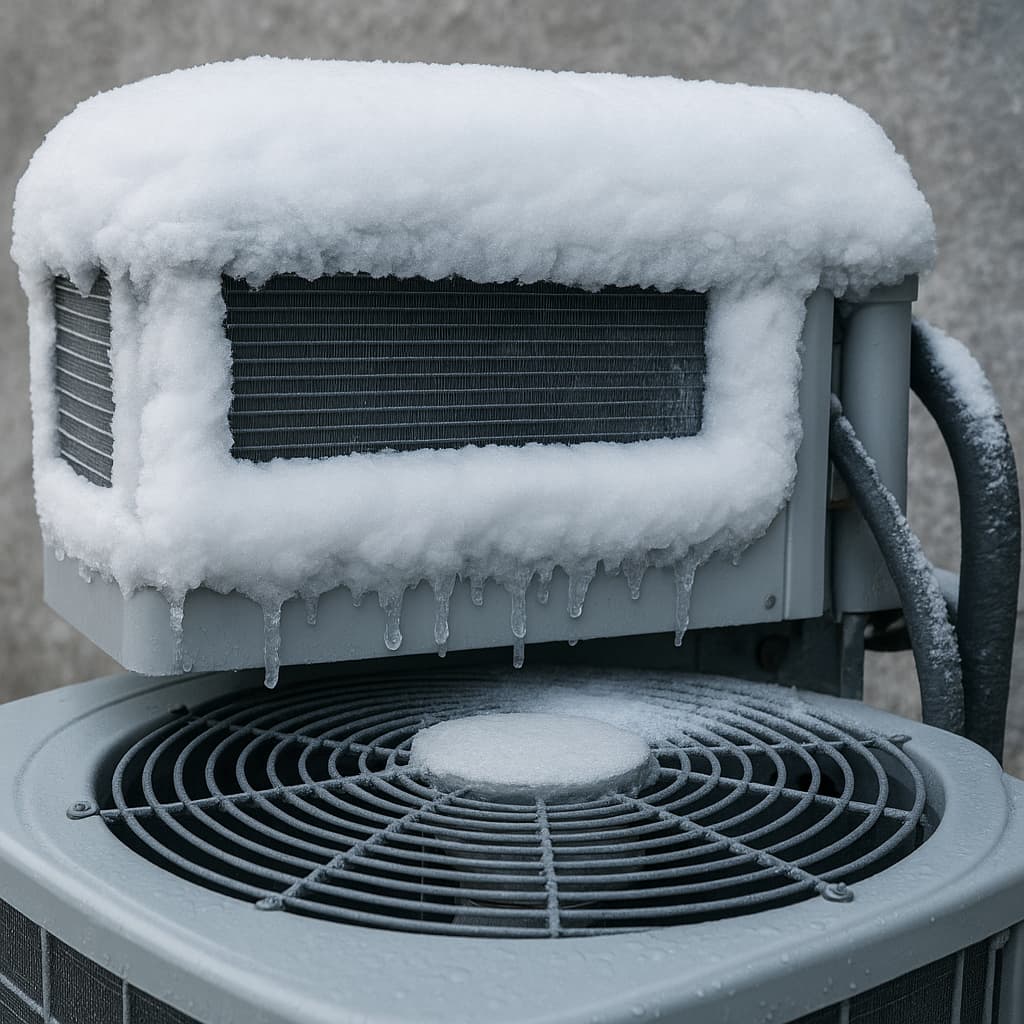
- Ice on the coil or the copper lines. Turn the system off and set the fan to on so it can thaw. Running it iced sends liquid refrigerant to the compressor, which is the most expensive thing that can break.
- A burning smell. Off at the breaker, then call. This is usually an overheating motor winding or a scorched connection.
- A breaker that trips more than once. Resetting it repeatedly is not a fix. The breaker is doing its job, and the cause is often a compressor drawing too much current as it fails.
- Water pooling around the indoor unit. Every hour of that is going into drywall, ceiling or subfloor.
Book a visit, but you can keep running it
- Weak airflow that a new filter did not fix.
- Grinding, squealing or banging. Grinding from outside is usually a bearing in the condenser fan or compressor. Squealing inside is normally the blower. Banging means something has come loose and is hitting a fan blade on every turn, so this one is closer to the first list than the second.
- Longer run times, or bills up on a similar summer. Both mean the system is working harder for less.
- Short cycling. Starting and stopping every few minutes wears the compressor faster than running continuously does.
What you can safely check first
Genuinely worth ten minutes before anyone comes out, and it occasionally solves the problem.
- The filter. The single most common cause of weak airflow, and the one thing you never need a technician for.
- Return and supply vents. Furniture over a return starves the system. Closed registers in unused rooms raise static pressure rather than saving money.
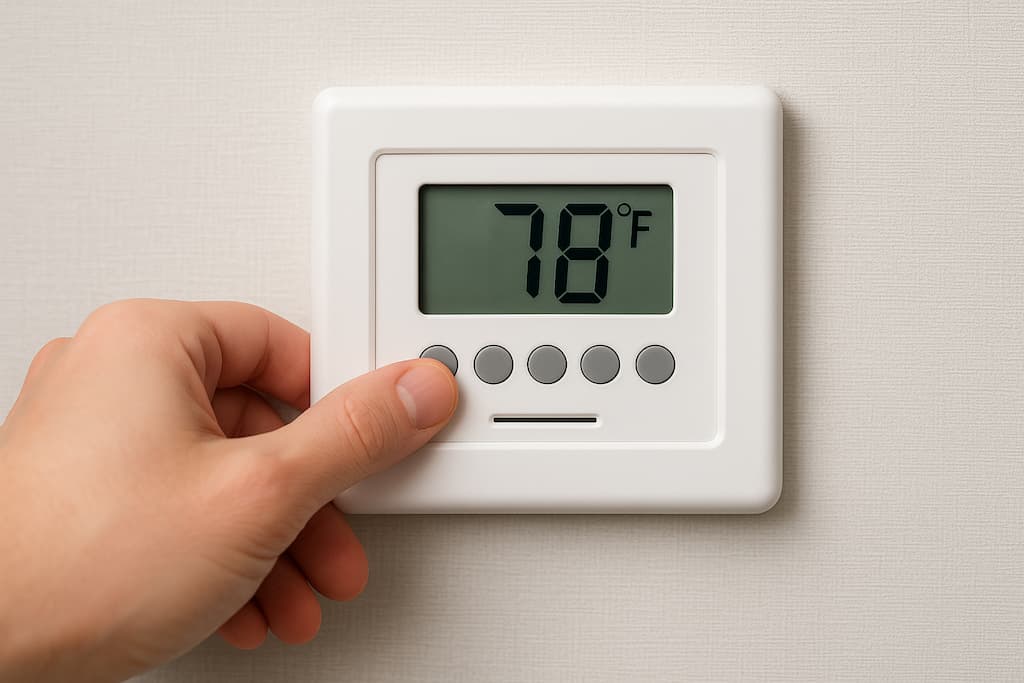
- The thermostat. Batteries, and that it is actually set to cool rather than fan.
- Around the outdoor unit. Clear leaves, cuttings and growth back about two feet. The unit rejects heat through that space.
That is where the list stops. Refrigerant work requires EPA certification under federal law, and capacitors hold enough charge to hurt you well after the breaker is off.
Why the same symptom has several causes
Weak airflow is the clearest example. It can come from a dirty filter, a failing blower motor, restricted ductwork, or low refrigerant dropping pressure across the coil. Those are four different repairs, and the only way to separate them is measurement: static pressure in the ducts, amp draw on the blower against its rating, and refrigerant pressures on both sides.
This is why faults cascade if you guess. A refrigerant leak that starts small in spring freezes the coil by midsummer. Ice blocks airflow, the blower strains, and the compressor runs continuously trying to reach a setpoint it cannot reach. By then you have four problems instead of one, and the expensive one is last in the chain.
Where you live changes which faults you get. Near the coast, salt corrodes condenser fins and electrical terminals, and a corroded terminal runs hot until it fails, which reads as an electrical fault rather than a corrosion one. Inland, the limit is run hours and heat. Our guide to how long AC systems last here covers how much difference that makes.
If you want the numbers before you call, we have written up what AC repairs cost in the Bay Area. Otherwise our air conditioning services page covers what a diagnostic visit involves, and you can see the areas we serve.
Frequently asked questions
Which AC problems mean I should switch it off immediately?
Ice anywhere on the coil or refrigerant lines, a burning smell, a breaker that trips more than once, or water pooling around the indoor unit. Each of these gets worse the longer the system runs, and ice in particular can send liquid refrigerant into the compressor, which is the most expensive failure available.
Can I fix any of this myself?
A few things safely. Change the filter, clear blocked return vents and furniture away from supply registers, check the thermostat batteries and mode, and clear leaves and growth back about two feet from the outdoor unit. That is the list. Refrigerant needs EPA certification by law, and capacitors hold a dangerous charge even with the power off.
Why does weak airflow have so many possible causes?
Because airflow is the symptom of several different faults. A dirty filter, a failing blower motor, duct restrictions and low refrigerant all reduce it, and they need different repairs. Telling them apart means measuring static pressure, blower amp draw and refrigerant pressures, which is why guessing usually means paying for the wrong part.
Why is ice on an air conditioner a problem when it is supposed to be cold?
Ice means the coil has dropped below freezing, normally from low refrigerant or restricted airflow. Once ice forms it blocks the airflow that would thaw it, so the situation compounds. Meanwhile the compressor keeps running against a system that cannot absorb heat properly. Turn it off, set the fan to on, and book a visit.
What makes water leak from the indoor unit?
Usually a condensate drain blocked by algae, a cracked or rusted drain pan, or a frozen coil dumping meltwater faster than the drain can take it. The third one matters most: clearing the drain will not stop the overflow while the coil keeps freezing, so the freezing is the thing to fix.
Do Bay Area conditions really make a difference?
Near the coast, yes. Salt corrodes condenser fins and electrical terminals, and corroded terminals run hot, which is how a small connection fault becomes a failure. Inland the issue is run hours and heat rather than corrosion. Both shorten component life, but they produce different faults and different repairs.