
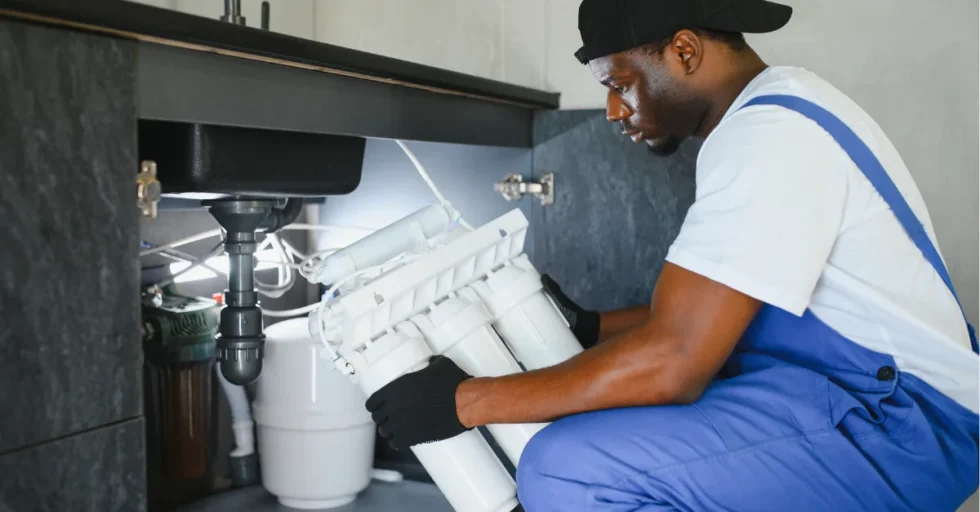
A proper reverse osmosis service visit involves comprehensive filter replacement, system testing, and customer education—tasks that take significantly longer than 15 minutes. When homeowners invest in an RO system, they deserve thorough maintenance that protects their equipment and ensures clean, safe drinking water for years to come.
Why Professional RO Service Makes a Difference
When Bellows recently took over servicing EcoWater’s reverse osmosis water systems, we discovered something unexpected. Customers were initially hesitant to work with us, and it wasn’t primarily about price. After conversations with these homeowners, we realized they had been conditioned to expect substandard service.
The previous contractor had set the bar remarkably low. Customers reported visits that lasted only 15 minutes, with little to no explanation of what was being done or why it mattered. Many felt they were sold unnecessary items without understanding their systems’ actual needs. Some had gone years without proper service because scheduling was consistently difficult.
This experience revealed an important truth about the industry: many homeowners don’t realize what professional RO maintenance should actually include. An RO system provides high-quality drinking water, but only when it receives consistent, knowledgeable care.
Common Customer Frustrations with RO Maintenance
Through conversations with our new customer base, we identified several recurring complaints about their previous service experiences:
- Technicians rushed through appointments without explaining the maintenance process or system operation
- No education about warning signs or basic system monitoring
- Feeling pressured to purchase components without clear justification
- Service appointments frequently delayed or rescheduled, sometimes for months
- No follow-up or proactive maintenance scheduling
Once our technicians took the time to explain what we were doing and why each step mattered, customers’ attitudes shifted dramatically. Most had no idea how valuable and comprehensive an RO service visit should be. They simply hadn’t experienced quality service before.
What Should Happen During an RO Service Visit
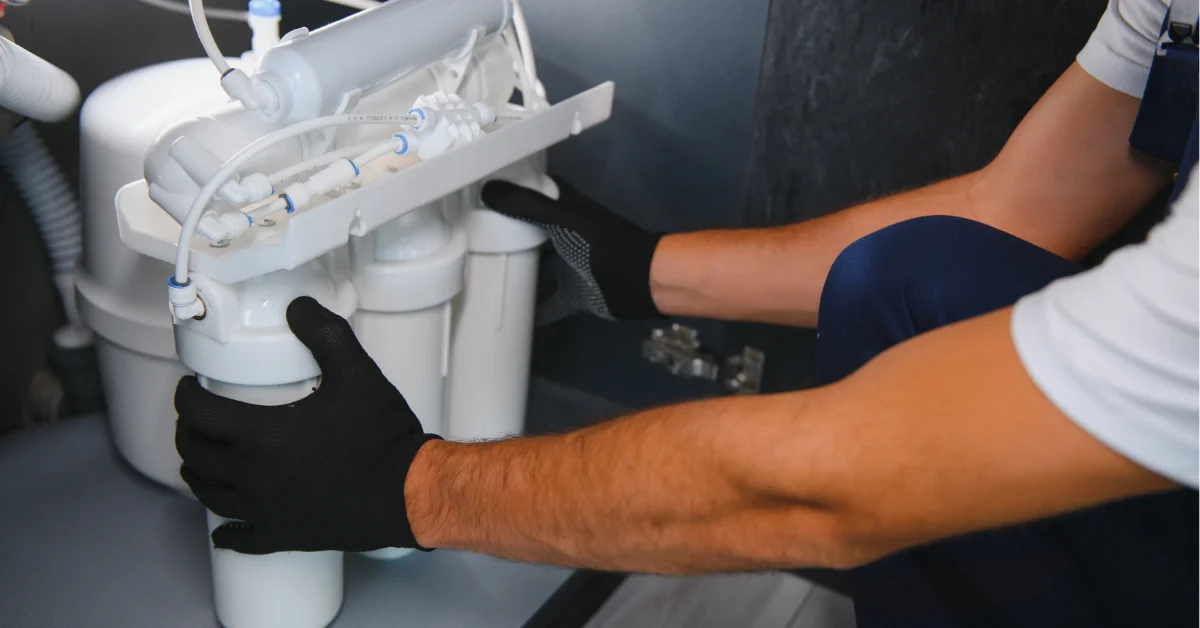
A thorough RO maintenance visit includes several critical tasks. According to the Environmental Protection Agency, proper maintenance of home water treatment systems is essential for ensuring safe drinking water. Here’s what homeowners should expect:
- System Flush: A proper system flush takes considerable time but is vital for removing accumulated sediment and ensuring optimal water quality. This process can’t be rushed without compromising effectiveness.
- Total Dissolved Solids Testing: Testing TDS levels confirms your membrane is functioning correctly. The Water Quality Association recommends that a properly working RO membrane should reduce TDS by at least 90-95 percent. If rejection rates fall below this threshold, membrane replacement may be necessary.
- Reserve Tank Pressurization: The storage tank maintains proper pressure to ensure adequate water flow. Over time, pressure can decrease, affecting system performance. Technicians should check and adjust tank pressure during each visit.
- Air Gap Installation Verification: Air gaps prevent contaminated water from flowing back into your clean water supply. Many older systems lack this important safety feature. Professional technicians install air gaps when they’re not present, protecting your water quality.
- Complete Filter Replacement: All filters should be replaced according to manufacturer specifications. This includes pre-filters, carbon filters, and the RO membrane when due for replacement.
- Customer Education: Homeowners want to understand their systems. A quality service visit includes time for questions and explanations about how the system works, what to watch for, and when to schedule the next service.
Understanding the Five-Stage Filtration Process
Most RO systems utilize between three and five filtration stages. Each stage serves a specific purpose in producing clean, safe drinking water. Understanding these stages helps homeowners appreciate why proper maintenance matters.
Stage 1: Sediment Pre-Filter
The first filtration stage protects the delicate RO membranes by removing sand, silt, dirt, and other particulate matter. Water passes through this pre-filter before reaching any other component. Without proper pre-filtration, debris would quickly damage the expensive RO membranes.
Pre-filters typically require replacement every six to nine months. If homeowners neglect this schedule, the filter becomes clogged or fouled, losing its ability to protect downstream components. This seemingly minor filter plays a crucial protective role.
Stage 2: Carbon Pre-Filter
The second stage employs a carbon filter designed to eliminate chlorine and other contaminants that affect water taste and odor. This stage is particularly important because chlorine can cause significant damage to RO membranes. Even municipal water systems that use chlorine for disinfection require this protection.
Carbon filters also need replacement every six to nine months. Skipping this replacement puts your expensive membrane at risk of chlorine damage, which can significantly reduce its lifespan and effectiveness.
Stage 3: Reverse Osmosis Membrane
The RO membrane represents the heart of the system. This is where reverse osmosis actually occurs—a separation process using pressure to force water through a semipermeable membrane. Contaminants are retained on one side and flushed away, while purified water passes through.
Water typically passes through the membrane at approximately 35 psi (pounds per square inch), producing about two drops per second. This slow, deliberate process ensures thorough filtration but also places continuous stress on the membrane.
RO membranes typically last two to three years, though lifespan varies based on water quality and household usage. The Centers for Disease Control and Prevention states that properly maintained home water treatment systems can-effectively reduce many contaminants, but only when components are replaced on schedule.
Stage 4: Carbon Post-Filter
After passing through the membrane, water flows through a final carbon filter that “polishes” the water. This stage removes any remaining tastes or odors, ensuring the highest possible water quality. Post-filters typically require replacement every six to nine months.
Stage 5 (When Present): Remineralization or UV Disinfection
Some advanced systems include an additional stage for remineralization (adding healthy minerals back to the water) or UV disinfection for added protection against microorganisms.
Filter Replacement Schedules and Requirements
Understanding when to replace filters is crucial for system longevity and water quality. Here’s a comprehensive replacement schedule:
| Component | Replacement Frequency | Why It Matters |
|---|---|---|
| Sediment Pre-Filter | Every 6-9 months | Protects RO membrane from physical damage |
| Carbon Pre-Filter | Every 6-9 months | Prevents chlorine damage to membrane |
| RO Membrane | Every 2-3 years | Core filtration component; most expensive |
| Carbon Post-Filter | Every 6-9 months | Final taste and odor removal |
| System Sanitization | Annually | Prevents bacterial growth in system |
These filters can’t simply be cleaned and reused. Over time, they accumulate the contaminants they remove, eventually losing effectiveness. When filters become saturated, they can no longer protect your water quality or your system components.
Many homeowners try to extend filter life beyond recommended schedules, but this approach ultimately costs more. Neglected filters force the system to work harder, accelerate component wear, and can lead to complete system failure.
How Long Should a Professional RO Visit Take
A proper RO service visit typically requires 45 to 90 minutes, depending on system condition and homeowner questions. This timeframe includes:
- System inspection and diagnostic testing (10-15 minutes)
- Complete filter replacement and membrane check (20-30 minutes)
- System flush and sanitization (15-25 minutes)
- Tank pressurization and flow testing (5-10 minutes)
- Customer education and questions (10-15 minutes)
Technicians who complete visits in 15 minutes aren’t performing comprehensive service. They’re cutting corners that compromise your system’s performance and longevity. Quality service takes time because the work matters.
During our visits, homeowners often become involved in the process. They’re curious about how their systems work and appreciate the opportunity to learn. This engagement is a sign of good service—technicians should welcome questions and take time to explain their work.
The True Cost of Neglecting RO System Maintenance
Skipping regular maintenance might seem like a money-saving strategy, but it typically costs more in the long run. Here’s what happens when RO systems don’t receive proper care:
Membrane Damage
Without regular pre-filter changes, the expensive RO membrane becomes clogged with sediment or damaged by chlorine. Membrane replacement costs significantly more than routine filter changes. Proper pre-filter maintenance protects this investment.
Decreased Water Production
As filters clog and membranes foul, water production slows. Systems that once filled a glass in seconds may take several minutes. This decline happens gradually, so homeowners often don’t notice until production drops significantly.
Compromised Water Quality
Saturated filters can’t remove contaminants effectively. In some cases, they may even release previously captured contaminants back into the water. Regular testing and filter replacement ensure consistent water quality.
Complete System Failure
Neglected systems eventually fail completely, requiring expensive repairs or full replacement. With proper care, an RO system can last 10 to 15 years. Without it, systems may fail within a few years.
Regular professional service represents insurance for your investment. The cost of annual maintenance is substantially less than premature system replacement or dealing with contaminated water.
DIY Maintenance vs. Professional Service
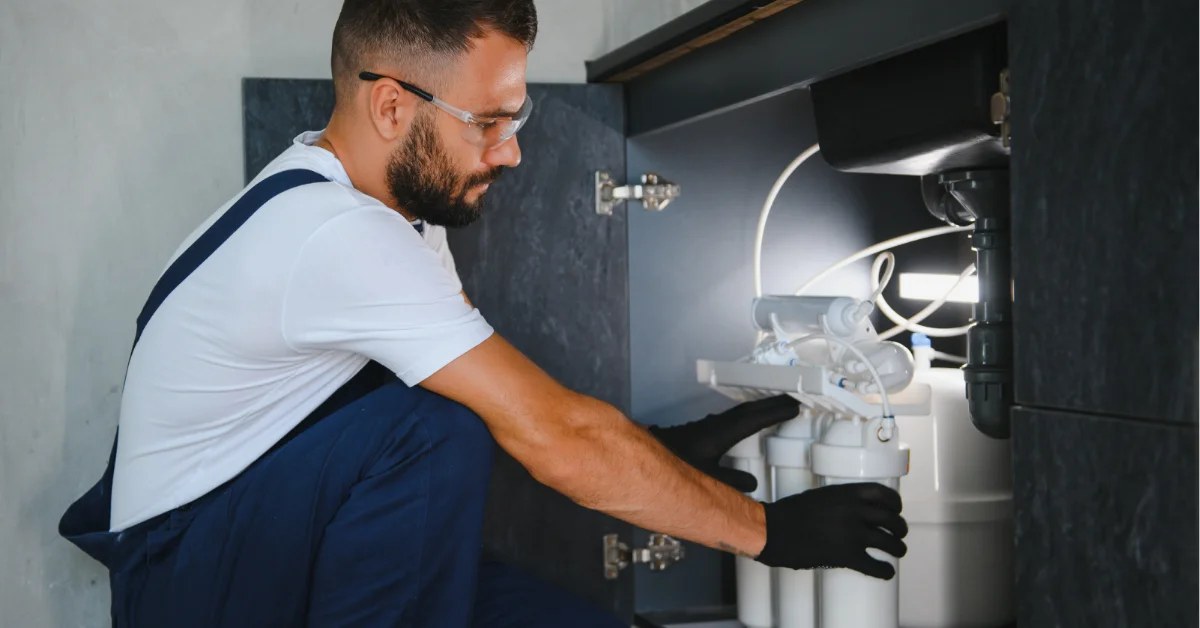
Many homeowners wonder whether they should service their RO system themselves or hire a professional. Both approaches have merits, but understanding the differences helps you make the right choice for your situation. Here’s an honest comparison:
| Aspect | DIY Maintenance | Professional Service |
|---|---|---|
| Cost | Lower upfront cost, $50-80 for filters only | Higher upfront, $150-300 including labor and parts |
| Time Required | 2-3 hours for first-time, 1-2 hours after experience | 45-90 minutes while technician works |
| Tools Needed | May need to purchase special wrenches and sanitizing equipment | Technician brings all necessary tools |
| Knowledge Required | Must research system specifications, filter types, and procedures | Technician has training and experience with multiple systems |
| Filter Quality | Depends on source; risk of purchasing incorrect or lower-quality filters | Professional-grade filters guaranteed compatible with system |
| System Inspection | Limited to visible issues; may miss early warning signs | Comprehensive diagnostic testing identifies potential problems |
| Sanitization | Possible but requires careful attention to procedures | Complete system sanitization included in service |
| Pressure Testing | May lack proper gauge for accurate tank pressurization | Professional equipment ensures correct pressure settings |
| Water Quality Testing | Requires separate TDS meter purchase; may not test thoroughly | Comprehensive testing verifies membrane performance |
| Warranty Protection | Some manufacturers require professional service to maintain warranty | Documented professional service protects warranty coverage |
| Problem Detection | May not recognize early signs of membrane failure or leaks | Experienced technicians catch issues before they become costly |
| Best For | Mechanically inclined homeowners comfortable with plumbing, between annual professional services | Annual comprehensive maintenance, homeowners who value expertise and time savings |
The reality is that a hybrid approach often works well. Many homeowners handle simple filter changes between professional visits, then schedule annual comprehensive service with a qualified technician. This strategy balances cost with the peace of mind that comes from expert inspection and maintenance.
If you choose DIY filter replacement, ensure you’re using manufacturer-approved filters and following proper sanitization procedures. However, at least once per year, professional service provides value that goes beyond basic filter changes. Technicians can identify developing issues, verify membrane performance, and ensure your system operates at peak efficiency.
Choosing Quality RO Service for Your Home
When selecting a company for your water treatment services, not all providers offer the same level of care. Look for these qualities in a service provider:
- Comprehensive Service Approach: Providers should offer detailed explanations of their service process. Be wary of companies that can’t clearly describe what they’ll do during a visit or that promise unrealistically short service times.
- Transparent Pricing: Quality companies provide clear pricing information upfront. You should understand what’s included in the service fee and any additional costs for parts or repairs.
- Customer Education: Good technicians take time to explain your system, answer questions, and help you understand basic maintenance. This education empowers you to monitor your system between professional visits.
- Proper Equipment and Parts: Technicians should arrive prepared with appropriate tools and high-quality replacement parts. Using inferior filters or cutting corners on parts negates the value of professional service.
- Scheduling Reliability: Your service provider should respect your time with reliable scheduling and minimal rescheduling. Consistent service keeps your system running optimally.
At Bellows, we’ve built our reputation on thorough, honest service. When we took over EcoWater water softeners and RO systems, we made a commitment to provide the quality of service these systems deserve.
Every visit includes complete filter replacement, system testing, pressurization checks, and comprehensive customer education. We take time to explain what we’re doing and why it matters. Most importantly, we treat every system as if it were our own.
Ready to experience quality RO service? If you have an EcoWater system or any reverse osmosis unit that needs proper maintenance, contact our team today. We serve homeowners throughout the Bay Area who value quality water and professional service.
Our technicians bring the expertise, equipment, and attention to detail your system deserves. We’ll ensure your RO system continues providing clean, safe drinking water for years to come. Because when it comes to your family’s water quality, thoroughness matters more than speed.
From water softener services to comprehensive whole house water filtration, Bellows provides the full spectrum of water treatment solutions. When you choose us for
your RO maintenance, you’re choosing a partner committed to your water quality and satisfaction.