

Your air conditioner is twelve years old, and you’re unsure whether it has several years left or if AC problems are about to begin. Online articles say AC systems should last fifteen to twenty years, but those estimates rarely apply to Bay Area AC lifespan conditions. Your neighbor may replace their unit at ten years while yours lasts twelve, because AC lifespan in the Bay Area is heavily influenced by climate, micro-location, and how often AC problems develop from coastal or inland stress.
I know this because the AC lifespan Bay Area homeowners experience is very different from national averages. Those widely published lifespan estimates don’t factor in the intense Bay Area climate challenges—salt air, humidity, inland heat, and microclimates—that shorten AC life expectancy.
Here’s what actually affects AC lifespan in Bay Area locations, why your system’s real life expectancy depends more on where you live than when it was installed, and how Bellows Plumbing, Heating, Cooling & Electrical assesses your system’s actual condition rather than just counting years since installation.
Stop Guessing When Your Bay Area AC Will Fail
Air conditioning manufacturers publish general lifespan numbers. These estimates assume moderate temperature ranges, low corrosion environments, and relatively consistent humidity levels. But Bay Area AC systems have lifespans affected by conditions those estimates don’t reflect.
Stop using national lifespan estimates to judge whether your system needs replacement. They don’t account for Bay Area weather patterns. Stop assuming you have years remaining just because your unit hasn’t reached fifteen years old. Stop waiting for complete failure before considering whether your aging system makes financial sense to keep repairing.
Bay Area climate creates specific stress factors that age AC equipment faster than the moderate conditions manufacturer estimates assume. Coastal properties face salt air that corrodes aluminum fins and copper components within a decade. Marine humidity promotes rust and accelerates electrical connection deterioration. Inland heat forces longer run times that wear mechanical components faster. Temperature swings between cool mornings and hot afternoons cycle your system on and off more frequently than stable climates require.
These factors don’t just shorten lifespan slightly. They can reduce AC life expectancy by 30 to 50% compared to ideal conditions. A system rated for eighteen years might last twelve years near the coast. Equipment that would run reliably for twenty years inland could need replacement at fourteen years in locations facing temperature extremes. The difference between your system’s theoretical lifespan and its actual remaining life depends entirely on the specific climate challenges your location presents.
Microclimate variations within the Bay Area create additional complexity. Your Santa Cruz home three blocks from the ocean faces different conditions than a property two miles inland. San Francisco’s western neighborhoods get marine layer effects that eastern areas don’t experience. San Jose systems work harder than those in shadier, cooler Palo Alto locations. Marin properties on hillsides facing the bay age differently than those in protected valleys.
Age alone doesn’t determine replacement timing. A ten-year-old system in harsh coastal conditions might be closer to failure than a fifteen-year-old unit in a protected inland location with proper maintenance. Professional assessment of your system’s actual condition reveals more about remaining lifespan than installation date tells you.
Warning signs indicate when systems approach end of life regardless of age. Declining efficiency means your AC runs longer to achieve the same cooling it once provided quickly. Frequent repairs suggest multiple components are failing as the system ages. Refrigerant leaks indicate corrosion that will continue worsening. Unusual noises point to bearing wear and mechanical stress. These symptoms reveal that your system is wearing out even if it hasn’t reached the age you expected it to last.
Waiting for complete failure costs more than planned replacement. Emergency service during summer heat waves means paying premium rates for rushed work. Limited equipment availability during peak season might force accepting whatever models dealers have in stock rather than choosing the system best suited for your home. Installation scheduling during peak demand can delay projects for days or weeks while you rely on portable units or swelter through the heat.
Professional assessment now prevents emergency replacement later. Bellows technicians evaluate your system’s actual condition through performance testing, not just by checking installation date. We measure efficiency decline, inspect for corrosion damage, test electrical components, check refrigerant pressures, and assess whether your system has remaining reliable life or whether replacement makes more financial sense than continued repairs on equipment approaching failure.
Bay Area homeowners need HVAC companies that understand how regional climate factors affect system longevity. Generic contractors applying national lifespan estimates miss the reality that your coastal or inland location substantially affects how long your AC actually lasts. You need assessment based on Bay Area climate expertise and recognition of the specific challenges your location presents.
Why AC Lifespan in Bay Area Homes Is Shorter Than National Averages
National AC lifespan statistics aggregate data from all climate zones across the United States. They don’t accurately represent AC lifespan Bay Area homeowners can expect. They include systems in Phoenix where dry heat dominates, units in Minnesota where AC runs only three months yearly, equipment in mild climates where temperatures rarely stress components, and coastal installations where salt air attacks metal surfaces daily. Averaging these diverse conditions produces estimates that don’t accurately predict lifespan in any specific location.
Bay Area conditions fall on the harsh end of this spectrum. Your AC faces challenges that systems in many other regions never encounter, challenges that accelerate component wear and reduce total operating life compared to published manufacturer estimates.
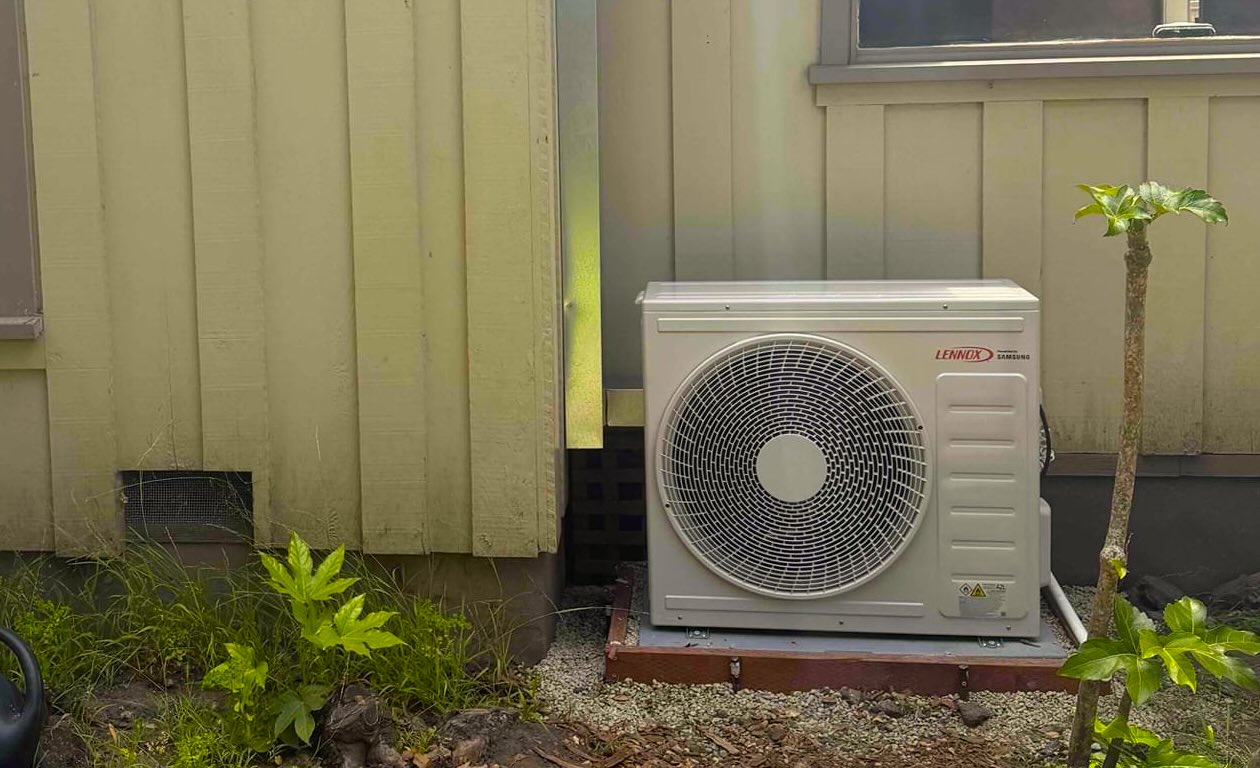
Salt air creates the most aggressive corrosion environment that impacts AC system lifespans in the Bay Area. Coastal properties in Santa Cruz, western San Francisco, and areas near the bay experience constant exposure to airborne salt particles. These particles settle on aluminum condenser fins, copper refrigerant lines, and steel cabinet panels, then attract moisture that enables electrochemical corrosion. The process happens continuously whenever marine air reaches your outdoor unit.
Aluminum fins corrode first because aluminum is highly reactive with salt. The thin fins that transfer heat from refrigerant to outside air develop pitting and holes within years of coastal exposure. Corroded fins restrict airflow, forcing your compressor to work harder to achieve the same cooling. Eventually, fins deteriorate enough that airflow drops below levels needed for proper system operation.
Copper refrigerant lines corrode more slowly than aluminum but face the same salt exposure. Pinhole leaks develop in tubing and connections where corrosion eats through the copper wall. These leaks lose refrigerant gradually, reducing system capacity and efficiency while the leak enlarges over months or years. By the time performance decline becomes obvious, corrosion damage is extensive and repair often exceeds replacement value.
Marine humidity adds moisture that accelerates every corrosion process. High humidity means condensation forms on metal surfaces during temperature changes, providing the water necessary for rust and corrosion reactions. Electrical connections corrode, creating resistance that generates heat and eventually causes connection failure. Drain pans rust through, leading to water damage. Fasteners corrode, weakening structural mounting.
Inland heat creates different stress through extended run times. San Jose and Santa Clara systems run longer hours during summer months than coastal units do. More operating hours mean more compressor cycles, more bearing wear, and more stress on electrical components. A system running eight hours daily ages faster than one running four hours daily, even over the same calendar years.
Temperature cycling adds mechanical stress that stable climates avoid. Bay Area properties experience significant temperature swings between morning lows and afternoon highs, especially in inland valleys. Your Bay Area AC cycles on and off repeatedly as outdoor temperature rises and falls. Each startup stresses the compressor, cycles electrical contactors, and thermal-cycles refrigerant connections where expansion and contraction can eventually cause leaks.
Microclimate effects create localized conditions that national averages can’t account for. Properties in sunny locations face higher outdoor unit temperatures than shaded systems experience. Southern exposures stress equipment more than northern placements. Wind patterns affect how well outdoor units shed heat. Distance from the coast determines salt air exposure intensity. These micro-location factors can alter lifespan by several years compared to systems just blocks away.
The combination of factors matters more than any single challenge. A coastal system faces both salt corrosion and marine humidity. An inland valley unit deals with extreme heat plus temperature cycling. Some locations experience multiple stress factors simultaneously, compounding the aging effect beyond what any single factor would cause alone.
Bay Area building practices affect system longevity too. Outdoor units placed in narrow side yards without adequate airflow clearance run hotter than properly ventilated installations. Condensers on roof decks face intense sun exposure and reflected heat. Systems in areas with restricted access get inadequate maintenance because technicians can’t easily reach them for service.
AC maintenance quality substantially affects the air conditioning lifespan in Bay Area conditions. Regular coil cleaning removes salt deposits before corrosion penetrates deeply. Timely refrigerant leak repairs prevent compressor damage from low charge operation. Electrical connection inspection catches corrosion before connections fail. Filter changes prevent airflow restriction that stresses motors and reduces efficiency.
Deferred maintenance accelerates decline in harsh Bay Area conditions. A system that might last fifteen years with proper service can fail at ten years when maintenance is neglected. The corrosive environment doesn’t wait for convenient service timing, it attacks components continuously whether you’re maintaining them or not. Regular attention catches problems early when repairs are simple and affordable rather than waiting until damage is severe and expensive.
The practical result is that Bay Area homeowners should expect shorter AC lifespans than manufacturer estimates suggest and much shorter lifespans than systems in mild climates achieve. Coastal installations realistically last ten to twelve years before corrosion damage makes continued operation impractical. Inland systems might reach twelve to fifteen years depending on maintenance and operating conditions. Only systems in optimal Bay Area locations with excellent maintenance approach the fifteen to eighteen-year lifespans that manufacturers advertise.
This reality doesn’t mean accepting premature failure. It means understanding your system’s actual operating environment, maintaining it appropriately for Bay Area conditions, and recognizing when age and condition indicate replacement timing has arrived rather than waiting for emergency failure that forces rushed decisions during inconvenient timing.
How Bay Area Climate Factors Affect Your AC System Lifespan
Understanding which climate factors affect your Bay Area AC and how severely they impact its lifespan helps you make informed decisions about maintenance, repair, and replacement timing. Bay Area locations experience different combinations of these factors, creating varied lifespans even within the same region.
Coastal Salt Air Damage That Shortens AC Life in Santa Cruz and San Francisco
As mentioned previously, salt air creates the most aggressive corrosion environment that residential AC systems in the Bay Area face. Properties within three miles of the ocean, San Francisco Bay, or other saltwater experience constant exposure to airborne sodium chloride that attacks metal components relentlessly. This corrosion shortens AC lifespan more severely than any other Bay Area climate factor.
The corrosion process begins immediately after installation. Salt particles suspended in marine air settle on your outdoor unit’s aluminum fins, copper refrigerant lines, and steel cabinet panels. Moisture in the air allows these salt deposits to form corrosive solutions that attack metal surfaces through electrochemical reactions. The process continues 24 hours daily, whenever salt air reaches your equipment.
Aluminum condenser coils deteriorate first because aluminum corrodes rapidly in salt environments. The fins that transfer heat from refrigerant to outside air are thin aluminum sheets designed for maximum surface area and heat transfer. Salt corrosion pits these fins, creating holes that eventually merge until entire sections of fin material disappear. What started as efficient heat transfer surfaces becomes corroded metal that blocks airflow rather than facilitating it.
Restricted airflow from corroded fins forces your compressor to work harder achieving the same cooling capacity. Higher discharge pressures stress the compressor, increase energy use, and shorten compressor life. Your system runs longer trying to reach set temperature because heat transfer efficiency drops as fins corrode. Eventually, fin damage becomes severe enough that cleaning can’t restore adequate airflow and the outdoor coil needs replacement.
Copper refrigerant tubing faces slower but equally serious corrosion. Salt attacks copper connections at joints, brazed fittings, and anywhere mechanical stress has weakened the tubing. Pinhole leaks develop where corrosion penetrates through the copper wall thickness. These leaks are often difficult to locate because salt corrosion can create multiple small leaks rather than one obvious failure point.
Refrigerant loss from corrosion leaks creates cascading problems. Low refrigerant reduces cooling capacity and efficiency while making your system run longer trying to achieve set temperature. Extended run times with low charge stress the compressor through inadequate cooling and lubrication. By the time performance decline becomes obvious enough to prompt service calls, your compressor might already be damaged from operating with insufficient refrigerant.
Steel cabinet panels rust through salt exposure, eventually developing holes that allow rainwater into electrical components. Mounting brackets corrode, weakening the structural support for heavy compressors and fans. Fasteners rust until they can’t be removed for service work without breaking, complicating any repair attempts. Fan blades corrode and become unbalanced, causing vibration that damages motor bearings.
The severity of salt damage depends on distance from saltwater sources. Properties directly on the coast face the most aggressive corrosion. Homes one to three miles from the ocean experience moderate salt exposure that still shortens lifespan substantially. Beyond three miles inland, salt air impact diminishes but doesn’t disappear entirely, especially in areas where prevailing winds carry marine air inland.
Wind patterns affect salt exposure intensity. Properties facing prevailing winds from the ocean receive more salt deposition than protected locations. Western and northern exposures in coastal areas typically face more aggressive conditions than southern or eastern placements that don’t receive direct marine airflow.
Protective measures can slow but not eliminate salt air damage. Coil coatings provide temporary protection that eventually fails as coatings degrade. Regular coil cleaning removes salt deposits before corrosion penetrates deeply, extending life compared to neglected systems. Installing outdoor units in locations with some protection from direct marine air exposure helps, though eliminating salt air contact is impossible in coastal areas.
Realistically, coastal Bay Area AC systems last ten to twelve years before salt corrosion damage makes continued operation impractical. Some well-maintained systems in partially protected locations might reach fourteen years. Systems receiving neglected maintenance often fail at eight to ten years. These timelines represent substantial reductions from the fifteen to twenty-year lifespans that manufacturers advertise for systems in non-corrosive environments.
Marine Humidity Problems Bay Area AC Systems Face Daily
Marine humidity in coastal Bay Area locations creates moisture conditions that accelerate multiple failure modes beyond just corrosion. High relative humidity means water condenses on metal surfaces during temperature changes, providing the moisture necessary for rust, corrosion, and electrical connection deterioration.
Condensation forms when warm, humid air contacts cooler metal surfaces during morning temperature drops or when marine layer fog rolls in. This condensation deposits water directly on electrical terminals, connection points, and any exposed metal. The water enables corrosion processes, shorts electrical connections, and promotes rust formation that weakens structural components.
Electrical connections corrode faster in humid environments because moisture provides the electrolyte needed for galvanic corrosion between dissimilar metals. Terminal connections between copper wire and aluminum or steel fittings corrode where these metals contact each other. Corroded connections create electrical resistance that generates heat, eventually leading to connection failure or fire hazards.
Control boards and electrical components face moisture damage that dry climates never cause. Condensation on circuit boards can create shorts between traces. Humidity enables corrosion of solder joints. Relays and contactors that would last decades in dry environments fail within years when constantly exposed to marine moisture.
Drain pans rust through faster in humid conditions. The drain pan under your indoor evaporator coil collects condensation that forms during cooling. In dry climates, these pans might last the system’s entire life. In humid Bay Area locations, rust attacks from both condensation inside the pan and humidity outside, creating rust-through failures that leak water into your home.
Insulation on refrigerant lines deteriorates from constant moisture exposure. The foam insulation protecting cold refrigerant lines from ambient heat gain absorbs moisture in humid environments. Saturated insulation loses thermal effectiveness and promotes corrosion of the copper tubing it’s supposed to protect. Eventually, insulation becomes so degraded that it no longer prevents condensation dripping from cold lines.
Ductwork in unconditioned attics faces moisture problems that affect indoor air quality. Marine humidity can create conditions where ductwork develops condensation on exterior surfaces. This moisture promotes mold growth on duct exteriors and in fiberglass duct insulation. The mold becomes an indoor air quality problem as spores circulate through your ventilation system.
Compressor windings face insulation breakdown from humidity exposure. Motor windings are protected by electrical insulation that degrades faster in humid conditions than in dry air. As insulation breaks down, winding-to-winding shorts become more likely, eventually causing compressor failure that requires system replacement.
The combination of marine humidity with salt air creates particularly aggressive conditions. Humidity enables salt to form corrosive solutions on metal surfaces. The moisture also prevents protective oxide layers from forming on aluminum that might otherwise slow corrosion. The two factors working together age systems faster than either would alone.
Dehumidification during AC operation provides some protection by removing moisture from indoor air, but outdoor components remain exposed to marine humidity continuously. Regular inspection and maintenance can catch moisture-related damage early, but eliminating humidity exposure is impossible in coastal locations. Systems in these environments simply age faster than those in dry climates.
Inland Heat Stress on AC Systems in San Jose and Santa Clara
Inland Bay Area locations face heat stress that coastal properties avoid. San Jose, Santa Clara, and inland valley communities experience summer temperatures that regularly exceed 95 degrees, forcing AC systems into extended run times that accelerate component wear. This heat stress shortens lifespan through increased operating hours and higher component temperatures.
Compressor longevity depends heavily on operating hours. Manufacturers rate compressors for total operating hours over their lifespan, similar to how cars are rated by mileage rather than just years. A system running eight hours daily accumulates twice the operating hours of one running four hours daily over the same calendar years. More operating hours means reaching design limits sooner and experiencing failure earlier in calendar time.
San Jose systems might run 1,200 to 1,500 hours per cooling season while coastal Santa Cruz units run 600 to 800 hours. Over ten years, that’s 12,000 to 15,000 operating hours inland versus 6,000 to 8,000 hours on the coast. The inland system has aged twice as much in actual use despite both being the same calendar age. This explains why inland systems often need replacement at similar ages to coastal units even though inland conditions don’t include salt corrosion.
High ambient temperatures stress outdoor units beyond just increasing run time. Condenser coils rejecting heat into 100-degree air work much harder than those in 75-degree coastal conditions. Higher condensing temperatures create elevated refrigerant pressures that stress compressors, increase energy use, and accelerate mechanical wear on all moving components.
Compressor cooling depends on outdoor temperature. Compressors rely on refrigerant and airflow to remove heat generated during compression. When ambient temperature is extremely high, cooling becomes less effective. Compressor temperatures rise, thermal stress increases, and oil breakdown accelerates. This thermal stress shortens compressor life compared to operation in moderate temperatures.
Fan motors work harder in hot conditions because they must move more air to reject the same amount of heat. Higher air volumes mean more motor load, increased amp draw, and faster bearing wear. Motors running continuously at high load fail sooner than those operating intermittently at moderate demand.
Capacitors fail faster in heat because high temperatures degrade the dielectric materials inside. Capacitors rated for 100,000 hours at 77 degrees might last only 25,000 hours at 120-degree ambient temperatures common inside sun-exposed outdoor units. Since capacitors are critical for compressor and fan motor starting, their failure stops your entire system.
Electrical connections experience thermal cycling stress. Connections heat up during operation and cool between cycles. In hot inland locations where systems run nearly continuously, connections stay hot for extended periods. Thermal expansion and contraction at these elevated temperatures accelerate connection loosening and eventual failure.
Refrigerant breakdown occurs faster at high temperatures. Modern refrigerants include oils that maintain compressor lubrication. These oils break down chemically when exposed to high temperatures repeatedly over thousands of operating hours. Degraded oil provides inadequate lubrication, increasing compressor wear and eventual mechanical failure.
Direct sun exposure intensifies heat stress beyond ambient temperature effects. Outdoor units placed in full southern or western sun exposure face cabinet temperatures 20 to 30 degrees higher than ambient air. Components inside these super-heated cabinets age much faster than shaded equipment experiences. Compressors, capacitors, and control boards all fail sooner under these extreme temperature conditions.
Poor ventilation around outdoor units compounds heat stress. Units placed in narrow side yards, against walls, or surrounded by fencing don’t receive adequate airflow for heat rejection. Restricted airflow causes higher operating temperatures that accelerate failure of every component. What might last twelve years in an open location could fail at nine years in a poorly ventilated installation.
Realistic inland Bay Area lifespans run twelve to fifteen years for well-maintained systems in adequately ventilated locations. Systems in full sun exposure with poor ventilation might fail at ten to twelve years. Equipment receiving neglected maintenance often needs replacement at eight to ten years regardless of location quality. These ranges reflect the reality that inland heat stress ages systems faster than manufacturer estimates based on more moderate climates.
Microclimate Variations That Impact the Lifespan of Your Bay Area AC System
Bay Area microclimates create dramatic differences in operating conditions within just miles of each other. Your system’s actual lifespan depends as much on your specific microclimate as on the general region where you live. Understanding these micro-location effects helps you set realistic replacement expectations for your particular property.
Elevation affects temperature and humidity exposure. Properties in San Francisco hills face different conditions than homes at sea level. Higher elevations typically experience cooler temperatures that reduce heat stress but might face different wind patterns affecting salt air exposure. Valley floor locations trap heat and create temperature extremes that hillside properties avoid.
Solar exposure varies by property orientation and shading. A home with mature trees shading the outdoor unit experiences substantially cooler operating conditions than a property in full sun. Southern and western exposures face afternoon sun that heats outdoor units beyond ambient temperature. Northern and eastern placements stay cooler and stress equipment less.
Proximity to water bodies affects both humidity and temperature. Properties directly on the bay or ocean face maximum salt exposure and marine humidity. Homes one mile inland experience moderate effects. Properties five miles from water might face minimal marine influence, creating conditions similar to inland locations. These variations exist within single cities, creating different lifespans for systems just miles apart.
Wind patterns alter salt deposition rates and heat rejection efficiency. Properties on windward slopes receive more salt air than protected valleys. Strong prevailing winds help outdoor units reject heat efficiently. Calm areas without airflow cause equipment to run hotter and age faster. These micro-wind patterns can vary block by block in urban areas based on building placement and terrain.
Urban heat island effects raise temperatures in developed areas compared to surrounding open space. Your San Jose system in a dense neighborhood faces higher ambient temperatures than suburban or rural equipment. This heat island effect can add several degrees to operating temperature, increasing stress and shortening lifespan compared to outlying areas.
Fog penetration varies significantly across the Bay Area. Western San Francisco gets daily fog that cools and humidifies. Eastern neighborhoods might be sunny while western areas are socked in. This fog penetration affects both temperature stress and humidity exposure, creating lifespan differences even within single cities.
Reflective surfaces near outdoor units increase operating temperatures. Concrete patios, light-colored walls, and metal fencing reflect sun onto equipment, raising surface temperatures beyond ambient air. These reflected heat effects can add 10 to 20 degrees to cabinet temperature, aging components faster than equipment in non-reflective locations.
Proximity to industrial areas affects air quality and corrosion rates. Properties near refineries, chemical plants, or heavy industry face additional corrosive pollutants beyond natural salt air. These industrial pollutants can accelerate corrosion and shorten equipment life compared to residential-only areas.
The practical result is that lifespan varies significantly based on your specific property’s microclimate conditions. Professional assessment should account for these micro-location factors rather than applying generic estimates based only on general geographic region. Your coastal system in a protected, shaded location might outlast an inland system in full sun with poor ventilation despite coastal location typically indicating shorter life.
Average AC Lifespan Ranges by Bay Area Location
Realistic AC lifespan expectations vary by Bay Area location and property-specific conditions. These ranges reflect actual performance in regional climates rather than manufacturer estimates based on ideal conditions.
Coastal Properties (Santa Cruz, Western San Francisco, Marin coastal areas): Expect 10 to 12 years with proper maintenance. Systems in protected locations with excellent maintenance might reach 13 to 14 years. Neglected systems often fail at 8 to 10 years. Salt air corrosion is the primary limiting factor.
Inland Valley Locations (San Jose, Santa Clara, inland Peninsula): Expect 12 to 15 years with proper maintenance. Well-maintained systems in shaded locations might reach 15 to 17 years. Poorly maintained equipment or systems in full sun exposure typically fail at 10 to 12 years. Heat stress and operating hours are primary factors.
Moderate Bay Area Locations (Protected Marin valleys, Peninsula mid-regions, Oakland hills): Expect 13 to 16 years with proper maintenance. Optimal conditions with excellent maintenance can achieve 16 to 18 years. Neglected systems fail at 11 to 13 years. These locations face moderate versions of all Bay Area stress factors.
Urban Heat Island Areas (Dense San Francisco neighborhoods, downtown San Jose): Expect 11 to 14 years depending on maintenance. Urban conditions add heat stress that shortens life compared to suburban locations. Poor ventilation common in urban installations further reduces lifespan.
Property-Specific Variables: Add or subtract 1 to 2 years based on:
- Full sun vs. shaded location (subtract 1-2 years for full sun)
- Good vs. poor ventilation (subtract 1-2 years for restricted airflow)
- Excellent vs. poor maintenance (add 2-3 years for excellent maintenance)
- Protected vs. exposed wind placement (add 1 year for wind protection)
These ranges represent realistic expectations, not best-case scenarios. Planning replacement based on these timelines prevents emergency situations where system failure forces rushed decisions during peak cooling season when equipment availability is limited and installation schedules are backed up.
Warning Signs Your AC Is Reaching the End of Its Lifespan
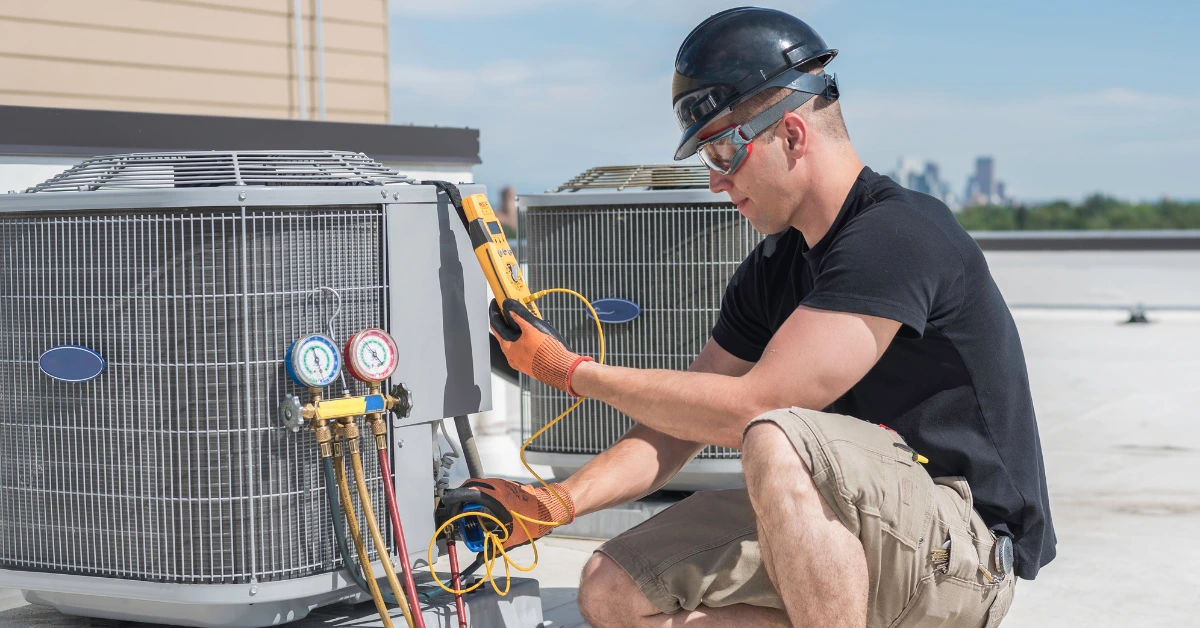
Recognizing decline signs helps you plan replacement timing rather than waiting for complete failure. These symptoms indicate your system is aging out and approaching the point where continued repair makes less financial sense than replacement.
Efficiency decline and longer run times: Your AC runs noticeably longer achieving the same cooling it once provided quickly. Energy bills increase even though you’re using the system the same way. This efficiency loss indicates compressor wear, refrigerant loss, or airflow restriction from corroded coils.
Frequent repair needs: Multiple service calls within a year suggest your system has reached the age where components fail in succession. After one repair, another component fails shortly after. This cascade of failures indicates overall system aging rather than isolated problems.
Refrigerant leaks that return after repair: Corrosion creates multiple leak points, not just single failures. Repairing one leak often reveals others shortly after. When leaks return or new ones develop frequently, corrosion damage is extensive and continuing.
Unusual noises from compressor or fans: Grinding, squealing, or banging sounds indicate bearing wear and mechanical stress. These noises typically worsen over weeks or months as worn components continue deteriorating. Bearing failure leads to motor replacement or complete system failure.
Visible corrosion on outdoor unit components: Rust on cabinet panels, corroded aluminum fins, or damaged copper lines visible during inspection indicate your system has weathered significant environmental exposure. Visible corrosion is often accompanied by internal damage that inspection can’t reveal.
Inconsistent cooling or hot spots: Some rooms don’t cool properly while others freeze. Temperature varies throughout your home despite proper thermostat operation. This inconsistency suggests declining system capacity or ductwork problems associated with aging installations.
Water leaks from indoor unit: Recurring drainage problems or rusted drain pans indicate age-related deterioration. Water leaks damage your home and suggest your system has reached the point where component replacement costs approach new system value.
System age approaching Bay Area lifespan limits: When your coastal system reaches 10 years or inland unit hits 12 years, replacement consideration becomes appropriate even without obvious symptoms. Proactive replacement prevents emergency situations and allows choosing optimal timing.
Multiple warning signs appearing together strongly indicate replacement timing has arrived. Don’t wait for complete failure when warning signs show your system is declining. Professional assessment determines whether repair makes sense or replacement provides better value.
Get Professional Assessment Before Your Bay Area AC Fails Completely
You understand how Bay Area climate factors shorten AC lifespan compared to national averages. You recognize that coastal salt air, marine humidity, inland heat, and microclimate variations create conditions that age systems faster than manufacturer estimates suggest. You know the warning signs indicating your system is approaching end of life. Now the decision becomes whether you’ll wait for emergency failure or schedule professional assessment while your system still operates.
That timing decision affects everything. Emergency replacement during summer heat waves means limited equipment selection, rushed installation, premium pricing for urgent service, and days or weeks of discomfort while you wait for available installation appointments. Planned replacement lets you choose optimal equipment, schedule work at your convenience, and avoid the stress of complete cooling loss during the hottest weather.
Professional assessment reveals your system’s actual condition rather than just counting years since installation. Bellows Plumbing, Heating, Cooling & Electrical technicians who understand Bay Area climate impacts evaluate performance metrics that indicate remaining reliable life. We test efficiency, measure refrigerant pressures, inspect for corrosion damage, check electrical components, and assess whether your system has years of service remaining or whether replacement timing has arrived.
This assessment accounts for Bay Area location-specific factors that generic online calculators ignore. We consider your property’s proximity to salt water, typical operating hours in your microclimate, sun exposure affecting outdoor unit temperature, and maintenance history that impacts longevity. Your coastal Santa Cruz system gets evaluated differently than an inland San Jose unit because they face fundamentally different operating conditions.
The evaluation includes inspection for corrosion damage that shortens coastal system life. We examine condenser coil condition, check copper tubing for pinhole leaks, inspect electrical connections for corrosion, and assess cabinet integrity where salt air causes rust-through failures. This physical inspection reveals damage that performance testing alone might miss, giving you complete information about your system’s actual state.
For inland systems, we evaluate heat stress impacts through component condition and operating hour estimates. Compressor amp draw indicates bearing wear. Capacitor testing reveals thermal degradation. Fan motor performance shows bearing condition. These tests identify components approaching failure even when the system still operates, allowing planned replacement before emergency failure forces rushed decisions.
The assessment determines whether repair makes financial sense or replacement provides better value. When systems approach Bay Area lifespan limits, repair costs often approach or exceed what new equipment installation would require. Multiple components needing replacement, refrigerant leaks requiring extensive repair, or efficiency so degraded that energy waste exceeds replacement cost all indicate replacement timing regardless of calendar age.
Efficiency testing quantifies how much capacity your aging system has lost. We measure actual cooling output compared to rated capacity, check energy draw against specification, and calculate how much your efficiency has declined from new. This data shows whether your system wastes substantial energy that new equipment would eliminate, making replacement cost-effective through energy savings.
Replacement recommendations include proper equipment sizing for your home and climate. Undersized systems run constantly and fail prematurely. Oversized equipment short-cycles and doesn’t control humidity effectively. Proper sizing accounts for your home’s actual cooling load, insulation condition, and Bay Area climate characteristics. Equipment matched to your needs lasts longer and performs better than generic installations.
Installation quality affects how long your new system lasts in Bay Area conditions. Proper refrigerant charging, correct electrical connections, adequate condensate drainage, and sufficient clearances around outdoor units all impact longevity. Bellows technicians install to manufacturer specifications while accounting for Bay Area climate challenges that affect long-term durability.
Coastal installations benefit from protective measures that extend life. Coil coatings slow salt corrosion. Strategic placement minimizes direct marine air exposure. Enhanced drainage handles higher condensation from humid conditions. These protective steps add years to coastal system life compared to standard installations that ignore local conditions.
Maintenance programs preserve your investment. Regular coil cleaning removes salt deposits and dirt that restrict airflow. Timely repairs prevent small problems from becoming major failures. Annual inspections catch declining components before they fail. Proper maintenance can add two to four years to system life in Bay Area conditions, protecting your replacement investment.
The warranty coverage on new equipment provides protection that repairs to aging systems can’t match. New systems include manufacturer parts warranties and installation labor warranties. When components fail during warranty periods, you’re protected from repair expenses that would otherwise apply to out-of-warranty equipment. This coverage provides financial security that keeping aging systems running doesn’t offer.
System efficiency improvements with new equipment reduce operating costs that offset replacement expense over time. Modern systems achieve SEER ratings 30 to 50% higher than equipment installed ten to fifteen years ago. The energy savings accumulate over your new system’s life, reducing the effective cost of replacement through utility bill reductions.
Your aging Bay Area AC won’t improve with time. Salt corrosion continues attacking coastal systems. Heat stress keeps wearing inland equipment. Components deteriorate regardless of whether you’re monitoring them. The only questions are whether you plan replacement at optimal timing or wait for emergency failure during inconvenient circumstances.
Bellows Plumbing, Heating, Cooling & Electrical serves homeowners throughout Santa Cruz, San Jose, Marin, San Francisco, Sonoma, and Santa Clara counties with expertise in Bay Area climate impacts on AC longevity. We assess your system’s actual condition, recommend replacement timing based on regional factors affecting your specific location, and install equipment designed to handle the climate challenges your property faces. Don’t wait for complete system failure during summer heat. Call Bellows now for professional assessment that tells you whether your aging AC has remaining reliable life or whether replacement timing has arrived.
Bay Area AC Lifespan: Frequently Asked Questions
Why is AC lifespan in the Bay Area shorter than national averages?
National lifespan estimates assume moderate temperatures and low corrosion environments. Bay Area AC systems face salt air, humidity, inland heat, and microclimate challenges that stress components and reduce lifespan by 30–50%.
How does coastal salt air affect AC systems?
Salt air corrodes aluminum fins, copper lines, and steel components. This corrosion reduces airflow, causes refrigerant leaks, weakens electrical connections, and leads to early system failure—sometimes as early as 10–12 years.
Do inland Bay Area homes have longer AC lifespans?
Inland homes avoid salt exposure but experience intense heat and long run times. These systems may last 12–15 years, but heavy summer use ages compressors, capacitors, and motors faster than in cooler climates.
What warning signs indicate an AC is nearing the end of its lifespan?
Common signs include declining efficiency, longer cooling times, frequent repairs, refrigerant leaks, unusual noises, visible corrosion, and inconsistent cooling throughout the home.
Why do microclimates matter for AC lifespan?
Proximity to coastlines, elevation, shading, sun exposure, fog, and wind patterns all influence corrosion rates, temperature cycling, and system workload. Homes only blocks apart can experience different AC lifespans.
Should I replace my AC based on age alone?
No. A 10-year-old coastal system may be close to failure, while a 15-year-old inland system with excellent maintenance might still be reliable. Professional assessment provides a far better picture than age alone.