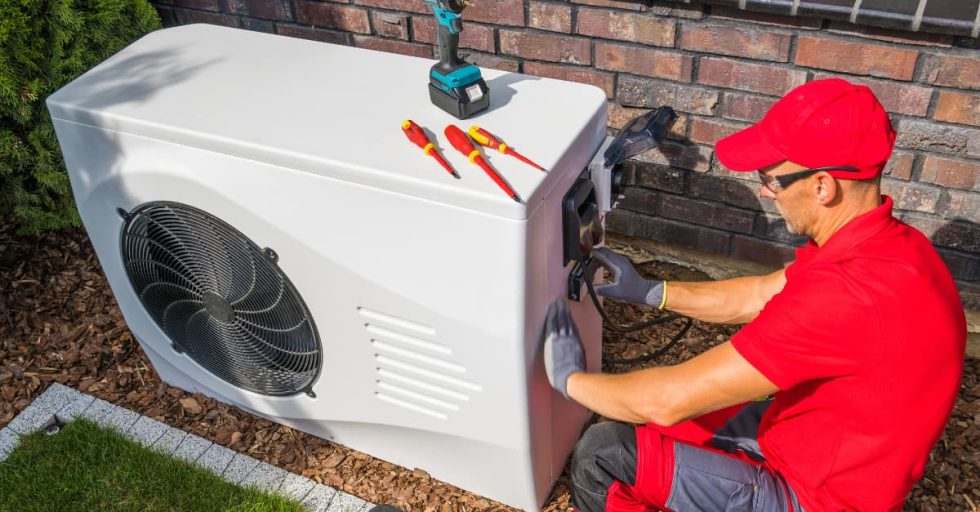
Your San Jose home has everything – updated kitchen, beautiful landscaping, maybe even solar panels. Yet your energy bills keep climbing while your old furnace and AC system struggle to keep up with Bay Area temperature swings. I know this because heat pump installations have become essential for San Jose homeowners who want year-round comfort without the utility shock. Here’s what’s driving the shift to heat pumps – and the system selection guide that makes the decision simple.
Stop guessing about your next HVAC upgrade. The move to electric heating isn’t just about environmental goals anymore. It’s about comfort that works with California’s climate while reducing those monthly PG&E bills that keep surprising you.
Why San Jose Homeowners Are Making the Heat Pump Switch
The shift isn’t theoretical anymore. I’ve watched San Jose neighborhoods transform from gas furnace reliance to heat pump efficiency, and the results speak for themselves. These systems deliver both heating and cooling through one efficient unit, eliminating the need for separate furnace and air conditioning systems.
Your current setup probably involves natural gas for heating and electricity for cooling. Heat pumps consolidate everything into one electric system that moves heat rather than generating it. During the summer months, they pull heat out of your home. During winter, they extract heat from outdoor air and bring it inside – even when temperatures drop.
The technology works exceptionally well in San Jose’s moderate climate. Unlike regions with harsh winters, our Bay Area temperatures rarely challenge heat pump efficiency limits.
Understanding Heat Pump Options for Your San Jose Home
- Air-Source Heat Pumps: Most common choice for San Jose installations, pulling heat from outdoor air with excellent efficiency in our mild climate
- Ductless Mini-Split Systems: Perfect for homes without existing ductwork or for adding comfort zones to specific rooms
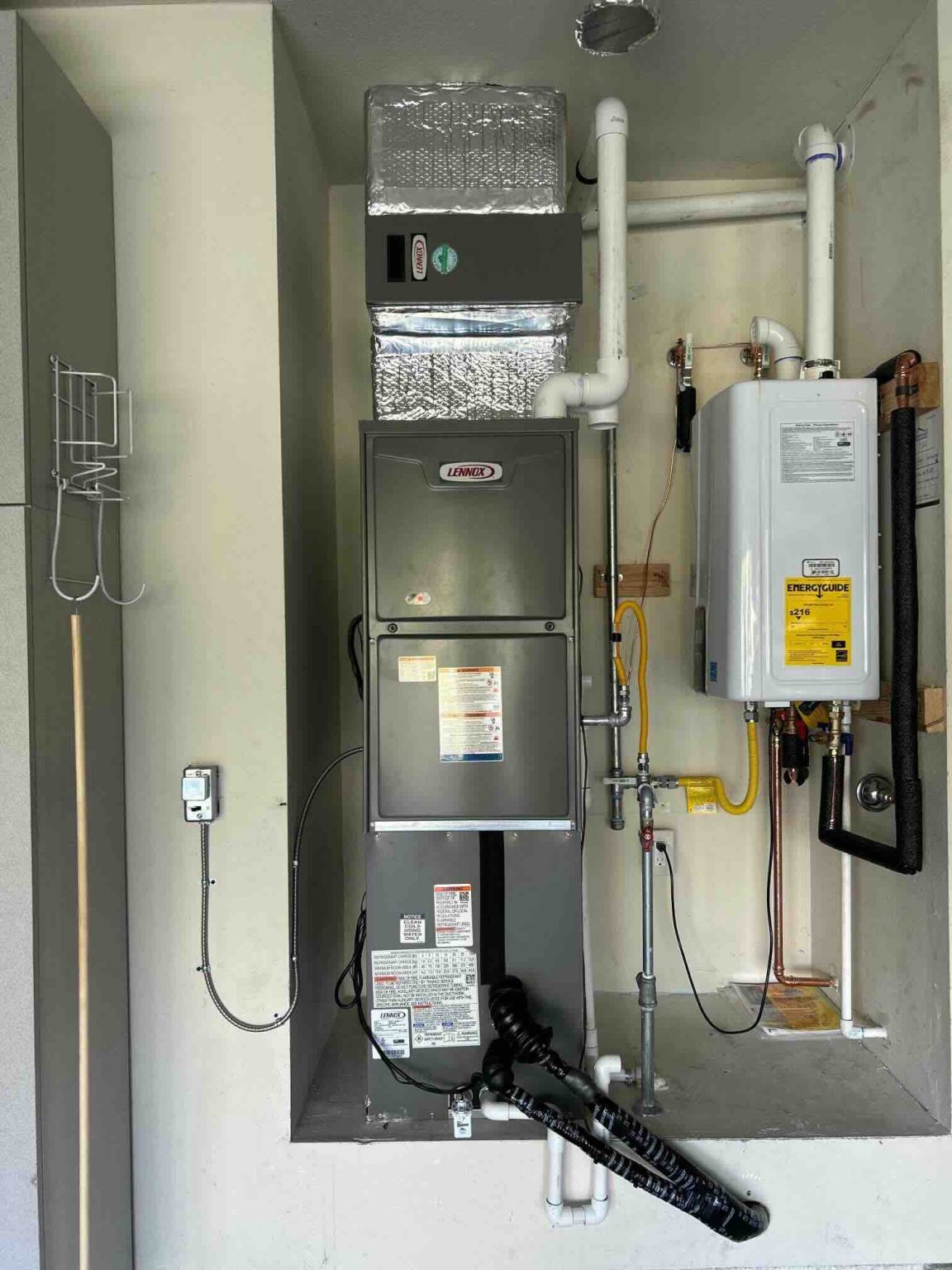
- Ducted Heat Pumps: Work with your existing duct system, replacing both furnace and AC units with one integrated solution
- Hybrid Heat Pump Systems: Combine electric heat pump efficiency with gas backup for extreme cold days (rare in San Jose but available)
Each system type serves different home configurations and family preferences. Air-source systems handle most San Jose applications effectively, while ductless options work well for older homes or room additions.
The Real Benefits: Beyond Environmental Impact
Let me be direct about what heat pumps actually deliver for San Jose families. The efficiency factor matters most for your monthly budget. Modern heat pumps move 3-4 units of heat for every unit of electricity consumed, compared to traditional systems that convert 1 unit of energy into less than 1 unit of useful heat.
Your utility bills reflect this efficiency immediately. Families report 30-50% reductions in heating costs compared to older gas furnaces, with cooling efficiency improvements as well.
The comfort consistency surprises most homeowners. Heat pumps maintain steady temperatures without the hot-and-cold cycles typical of older systems. No more morning chill waiting for the furnace to warm up, or afternoon heat spikes when the AC kicks on.
Air quality improvements happen naturally. Heat pumps filter and dehumidify constantly during operation, reducing allergens and maintaining healthy indoor humidity levels year-round.
Navigating San Jose Installation Requirements and Incentives
San Jose building codes support heat pump installations with streamlined permitting processes. Most residential installations qualify for simplified permit applications, reducing installation timelines compared to complex system retrofits.
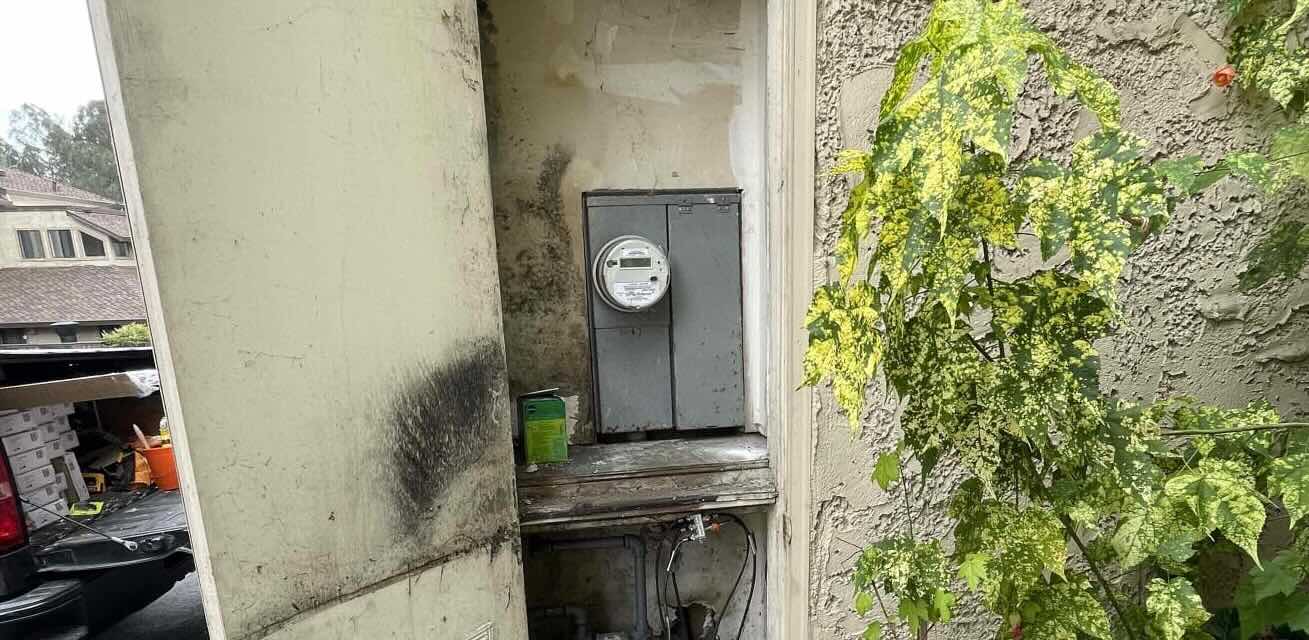
Electrical panel upgrades may be necessary for older homes. Heat pumps require dedicated 240V circuits, and homes built before 1990 often need panel capacity improvements to handle the electrical load safely.
Federal tax credits currently cover 30% of heat pump installation costs through 2032, with additional California rebates available through specific utility programs. San Jose residents may qualify for multiple incentive layers, significantly reducing net installation investment.
Local utility rebates change seasonally, but consistent programs reward electric heating conversions. The combination of federal credits and state incentives often covers 40-60% of total project costs for qualifying families.
Sizing and Selection: Getting Your San Jose Heat Pump Right
System sizing determines everything about your heat pump performance. Undersized units run constantly without reaching comfortable temperatures. Oversized systems cycle on and off frequently, wasting energy and failing to control humidity effectively.
Professional load calculations factor your home’s square footage, insulation levels, window efficiency, and San Jose’s specific climate patterns. These calculations ensure proper sizing regardless of your current system capacity.
Efficiency ratings guide long-term value decisions:
- SEER2 Ratings: Cooling efficiency measurement, with higher numbers indicating better performance during San Jose’s warm months
- HSPF2 Ratings: Heating efficiency measurement, crucial for winter comfort and utility bill impact
- Energy Star Certification: Ensures minimum efficiency standards and qualifies for additional rebate programs
Variable-speed compressors provide the best comfort and efficiency for San Jose’s variable weather patterns, adjusting output to match your home’s exact heating or cooling needs moment by moment.
Installation Timeline and Home Preparation
Most San Jose heat pump installations complete within 1-3 days, depending on electrical requirements and ductwork modifications. Straightforward replacements happen faster, while homes needing electrical upgrades or duct modifications require additional time.
Preparation starts with electrical assessment. Your electrical panel needs sufficient capacity and proper grounding for safe heat pump operation. Older panels may need upgrades to meet current code requirements.
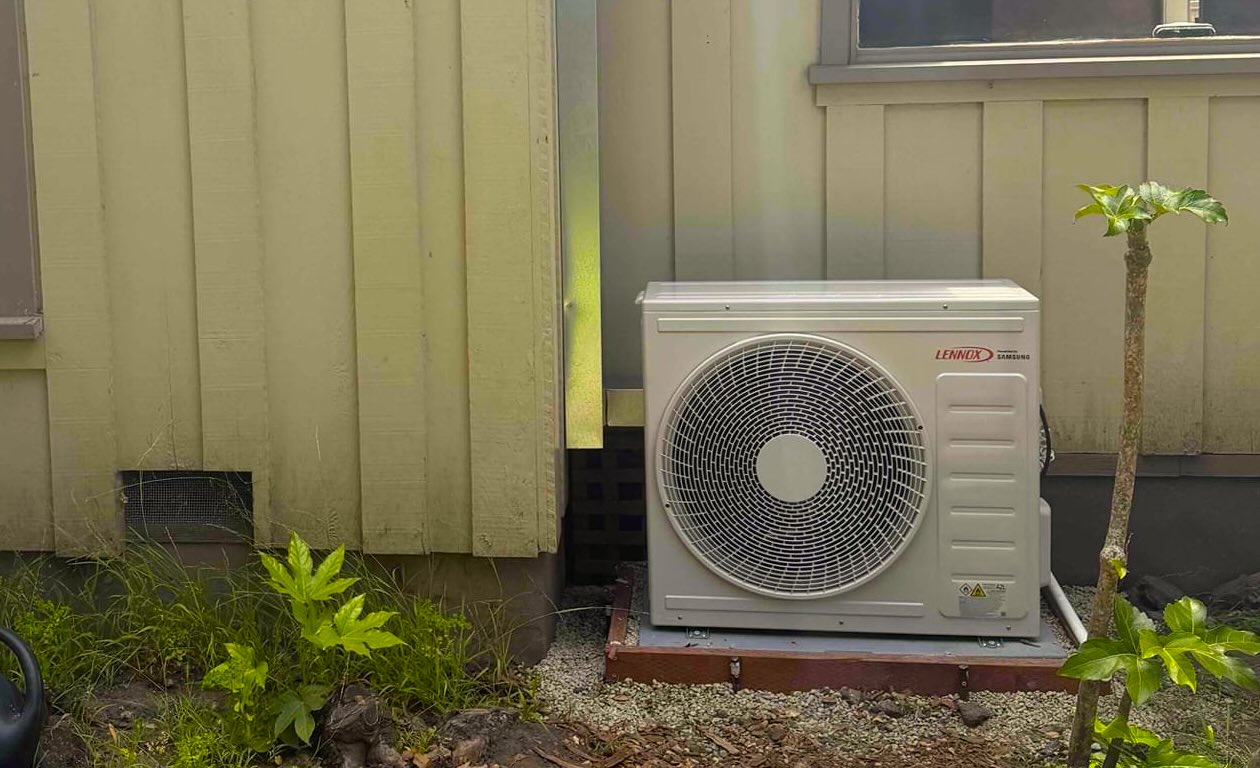
Outdoor unit placement affects both performance and neighborhood relations. Heat pumps need adequate airflow clearance anda reasonable distance from property lines. San Jose setback requirements typically allow flexible placement options for most residential lots.
Indoor modifications depend on your existing system. Homes with forced-air ductwork often require minimal interior changes, while ductless installations involve mounting indoor units and running refrigerant lines between indoor and outdoor components.
Maintenance Requirements for Long-Term Performance
Heat pump maintenance differs from traditional HVAC systems. Regular filter changes remain essential – typically every 1-3 months, depending on usage and air quality. Clogged filters reduce efficiency dramatically and strain system components.
Outdoor unit care involves keeping the area around your heat pump clear of debris, leaves, and vegetation. San Jose’s mild climate reduces winter protection requirements compared to colder regions, but occasional cleaning maintains optimal airflow.
Professional maintenance visits typically happen twice yearly – spring preparation for the cooling season and fall preparation for the heating season. These visits include refrigerant level checks, electrical connection inspections, and performance optimization adjustments.
System warranties often require documented professional maintenance to remain valid. Most manufacturers provide 10-year equipment warranties with proper maintenance records.
Making the Decision: Is a Heat Pump Right for Your San Jose Home?
Your current system’s age and condition influence timing decisions. Heat pumps make excellent replacements for aging furnaces or air conditioners, especially when major repairs become necessary. Waiting for a complete system failure often limits installation options and increases project urgency.
Budget considerations extend beyond initial installation costs. Factor in long-term energy savings, available incentives, and avoided future repairs when comparing total ownership costs. Many San Jose families find that heat pumps pay for themselves through utility savings within 5-8 years.
Home characteristics that favor heat pump installation include:
- Existing Ductwork: Reduces installation complexity and cost
- Adequate Electrical Service: 200-amp panels typically handle heat pump requirements without upgrades
- Reasonable Outdoor Space: Sufficient area for proper unit placement and airflow
- Moderate Climate Use: San Jose’s weather patterns maximize heat pump efficiency advantages
Taking the Next Step Toward Heat Pump Installation
Ready to move beyond utility bill surprises and temperature inconsistencies? Start with a professional assessment of your home’s heating and cooling needs. Proper system selection requires understanding your specific requirements, not generic recommendations.
Schedule your consultation during moderate weather periods when installation crews have better availability, and you can plan the transition timing around your family’s needs.
At Bellows Plumbing, Heating, Cooling & Electrical, we help San Jose families choose and install heat pump systems that deliver long-term comfort and efficiency. Your home deserves climate control that works with California’s energy future while reducing your monthly expenses.
Contact us today for a comprehensive heat pump evaluation tailored to your San Jose home’s specific requirements and your family’s comfort goals.