

If your air conditioner is over 10 years old and needs repairs every summer, you’re facing a familiar dilemma. Should you invest in another repair or replace the entire system? The answer becomes clear when repair costs exceed 50% of a new system’s price.
Here’s what we’ve learned after decades serving Bay Area homeowners: that aging AC that “just needs one more fix” rarely makes it through the next heat wave. You spend $800 on repairs in June. By August, something else breaks. If you’re experiencing frequent cooling issues, it might be your system’s way of telling you it’s time. Now you’re out nearly $1,500 and still dealing with an inefficient system that’s driving up your energy bills.
The Bay Area’s climate can be deceiving. Those mild temperatures most of the year make it tempting to postpone air conditioner replacement. But when October delivers an unexpected 95-degree scorcher (and they’re happening more often) that’s exactly when older systems fail.
We’ve put together this guide to help you make an informed decision about your AC replacement. Whether you need comprehensive air conditioning services or are ready for a full replacement, understanding your options is the first step. No sales pressure, just honest insights about when repair makes sense and when it’s time to upgrade.
Key Takeaways:
- Timing Matters: Systems older than 10-15 years typically benefit more from replacement than continued repairs, especially when repair costs exceed 50% of replacement value.
- Modern Efficiency: New air conditioner replacement units use 20-40% less energy than older systems, translating to significant long-term savings on utility bills.
- Complete Solutions: Professional air conditioner replacement includes proper sizing, installation, and optimization to ensure maximum performance and longevity.
- Local Expertise: San Francisco Bay Area homeowners need contractors familiar with regional climate patterns, building codes, and available rebate programs like BayREN.
- Investment Protection: Quality air conditioner replacement services from certified professionals like Bellows include comprehensive warranties and ongoing maintenance support.
When Should I Replace My Air Conditioner?
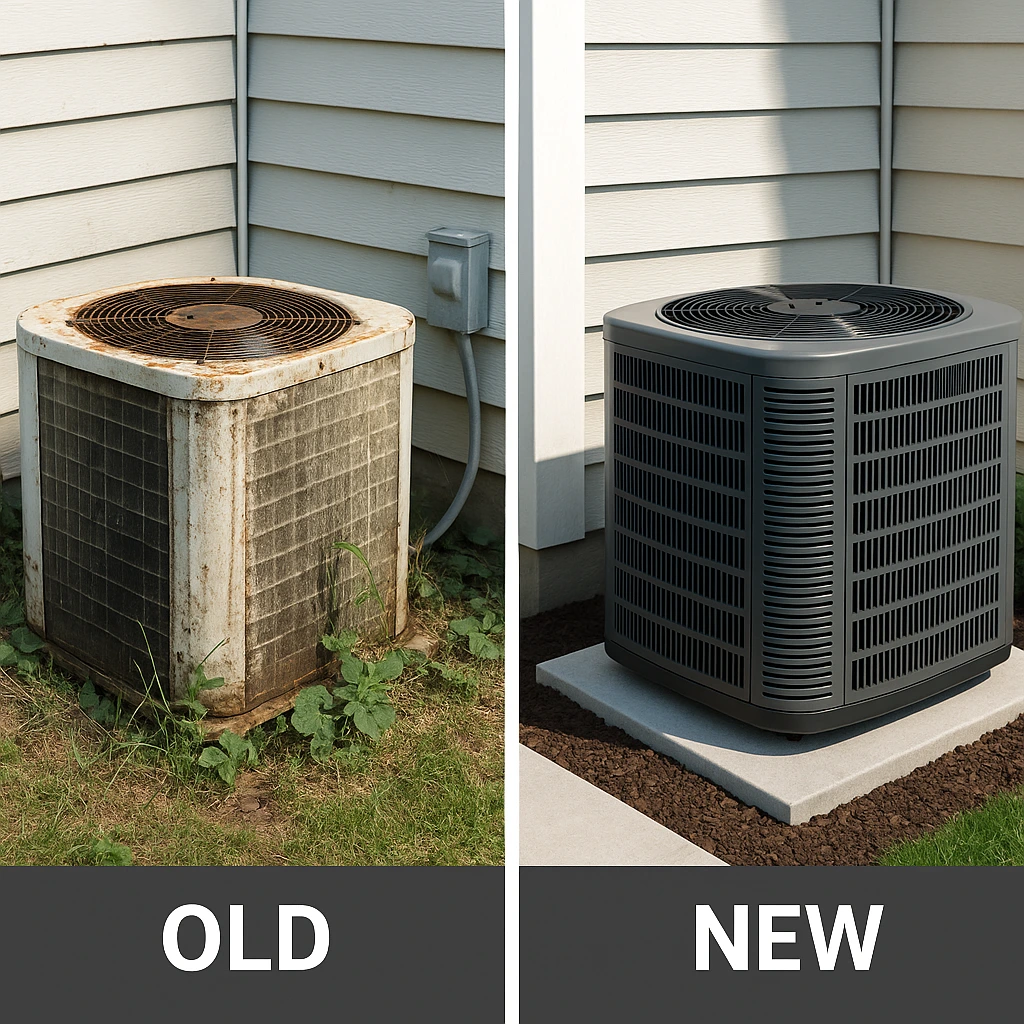
The decision to replace your AC isn’t always black and white, but certain warning signs make the choice clear. After servicing thousands of Bay Area homes, we’ve identified the key indicators that signal it’s time for a new system.
Your AC Is Over 10-15 Years Old
Age alone doesn’t doom an air conditioner, but it’s the strongest predictor of problems ahead. Most AC units last 10-15 years with proper maintenance. If yours is approaching or past this range, you’re living on borrowed time.
Why does age matter so much? It’s not just wear and tear. Older systems use outdated refrigerants like R-22 (Freon), which is now banned and extremely expensive. They also lack the efficiency standards required in modern units, meaning you’re paying more to cool less.
You’re Calling for Repairs Every Season
One repair is normal. Two might be bad luck. But if you have our number on speed dial and the technician knows your dog’s name, that’s a problem. Frequent repairs signal systemic failure: multiple components wearing out simultaneously.
Think of it like an old car. You wouldn’t keep replacing the transmission, then the engine, then the electrical system. At some point, you’re better off with something reliable.
Your Energy Bills Keep Climbing
If your cooling costs jump 20-30% without increased usage, your AC is working harder to deliver the same comfort. This efficiency loss accelerates as systems age. What starts as a $20 monthly increase becomes $50, then $100. Over a cooling season, you’re spending hundreds extra just to limp along with an inefficient system.
Uneven Cooling and Comfort Problems
Walking from room to room shouldn’t feel like traveling between climate zones. If your bedroom is freezing while the living room stays warm, or you’re constantly adjusting the thermostat to find comfort, your AC can’t keep up anymore. These issues often indicate failing components that can’t distribute air properly.
Strange Noises or Smells
Your AC should run quietly in the background. Grinding, squealing, or banging sounds mean components are failing. Musty or burning smells are even more serious: they can indicate mold growth or electrical problems. These aren’t just annoying; they’re your system’s cry for help.
The 50% Rule in Action
Here’s your decision-making shortcut: if any single repair costs more than 50% of a new system, choose replacement. Why? That expensive repair only fixes one problem in an aging system. Other components are likely to fail soon.
Plus, you’re missing out on the significant energy savings that modern efficiency brings. The Department of Energy notes that upgrading to an efficient system is one of the best investments homeowners can make for long-term savings.
When multiple warning signs appear together (age, repairs, high bills, and comfort issues) the decision becomes obvious. Your AC is telling you it’s time.
Is AC Replacement Worth the Cost? Here’s the Math
Making the decision between repair and replacement comes down to simple math, but most homeowners don’t realize how quickly the numbers favor replacement. We use what’s called the “50% rule”: when a repair quote exceeds half the cost of a new system, replacement wins financially.
The True Cost Comparison
Let’s look at what you’re really comparing. It’s not just today’s repair bill versus a new system price. Consider the full picture:
| Factor | Keeping Old AC | New AC Replacement |
|---|---|---|
| Upfront Cost | $0 (seems cheaper) | Higher initial investment |
| Repair Frequency | 2-4 repairs per year | Covered under warranty |
| Energy Efficiency | Low SEER (10-13) | High SEER2 (15-20+) |
| Monthly Energy Costs | Increasing each year | 20-40% lower |
| Warranty Coverage | None | 10-year parts, 5-year labor |
| Reliability | Decreasing | Like-new performance |
| Emergency Breakdown Risk | High | Minimal |
Why Energy Savings Matter More Than You Think
Here’s what catches Bay Area homeowners by surprise: the efficiency gap between old and new systems is massive. If your AC is from 2010 or earlier, it’s likely running at 13 SEER or less. Today’s basic models start at 15 SEER2, with high-efficiency options reaching 20+ SEER2.
What’s SEER? Think of it like your car’s MPG rating, but for air conditioners. SEER (Seasonal Energy Efficiency Ratio) measures how much cooling you get per unit of electricity. Higher numbers mean lower energy bills. The jump from 10 SEER to 16 SEER2 can cut your cooling costs by up to 40%.
That efficiency jump translates directly to your utility bill. While exact savings depend on your usage and home size, the improvement is significant enough that many homeowners see their new system pay for itself through energy savings alone.
The Warranty Advantage
New systems come with comprehensive protection that changes your financial equation. Most quality brands offer:
- 10-year parts warranties
- 5-year compressor coverage
- Labor warranties from certified installers
Compare that to your current situation where every service call costs hundreds before any work begins. One major component failure on an old system can equal several years of financing payments on a new one.
Quick Decision Check
Should you replace your AC? Check all that apply:
Your AC is over 12 years old Your repair quote exceeds $2,000 You’ve needed 2+ repairs this year Energy bills have increased 20% or more Some rooms won’t cool properly
What Happens During Air Conditioner Replacement?
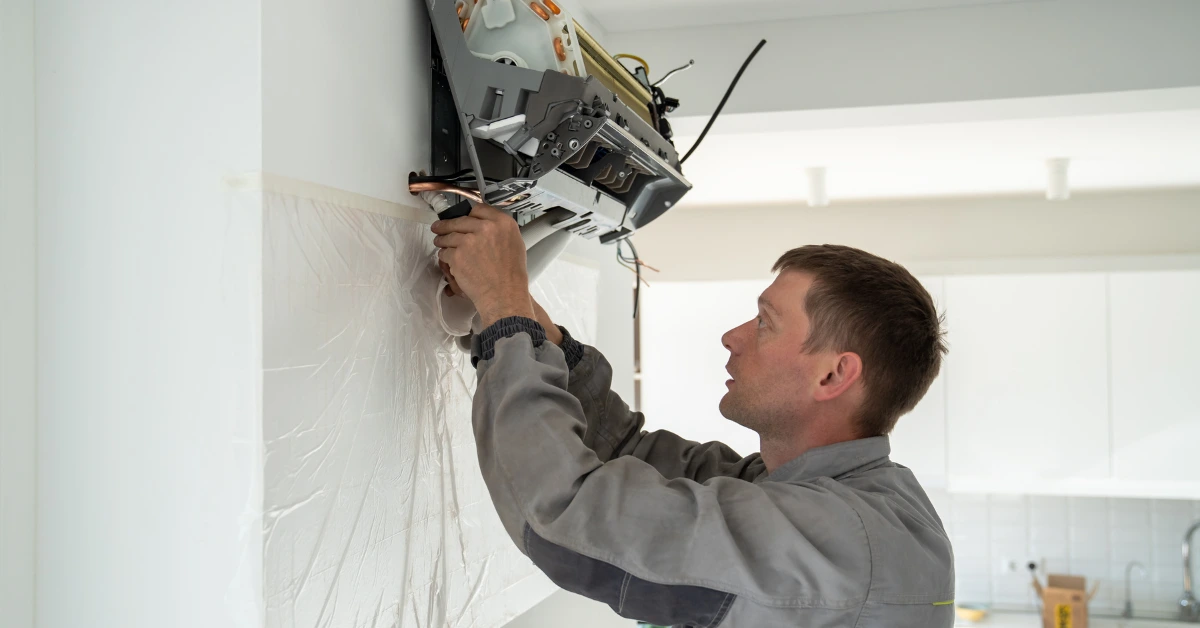
If you’ve never been through an air conditioner replacement, you might be wondering what you’re in for. Is it a huge mess? Will they be there all day? Let us walk you through what actually happens when we show up at your Bay Area home.
First Things First: We Measure Everything
Some companies just eyeball your house and guess what size AC you need. That’s how you end up with a system that never quite works right.
We spend the first 2-3 hours doing what’s called a Manual J calculation. Sounds fancy, but it’s basically measuring every room, checking your insulation, and figuring out exactly how much cooling power you need. Too big? Your AC turns on and off constantly (and your humidity goes through the roof). Too small? It runs 24/7 and still can’t keep up.
A lot of homeowners worry we’ll recommend the biggest, most expensive unit. Actually, we often find homes need smaller systems than what they currently have.
The Complete Installation Timeline
The entire air conditioner replacement process typically takes 1-2 days. Here’s what we’ll be doing:
Day 1: Removal and Installation
- Safely disconnecting your old system and recovering all refrigerant (required by EPA law)
- Removing old equipment without damaging your walls, landscaping, or floors
- Installing your new outdoor condenser and indoor air handler
- Running new refrigerant lines and making electrical connections
- Setting up proper drainage for condensation
Day 2: Commissioning and Testing
- Adding precise refrigerant charge per manufacturer specifications
- Verifying airflow meets design requirements in every room
- Testing all electrical connections and safety controls
- Programming your thermostat for optimal comfort and efficiency
- Final walkthrough to ensure you’re 100% comfortable operating your new system
Some simpler replacements finish in one day, while complex installations (like adding new ductwork or electrical upgrades) might need a third day. We’ll know after the initial assessment and let you know exactly what to expect.
Making Sure It Actually Works
This is the part some contractors skip.
Before we leave, we test everything. And we mean everything. Airflow in every room, refrigerant pressures, electrical draw, the works. We’ve seen too many “quick” installations where the homeowner calls back a week later because half their house isn’t cooling properly.
We’ll also show you how to use your new thermostat (they’re getting complicated these days) and what maintenance you need to do. Basically, change your filter monthly. That’s it. We’ll handle the rest during annual tune-ups.
This comprehensive approach ensures your new AC performs at peak efficiency from day one. No callbacks, no “we’ll fix that later” promises.
How Much Does AC Replacement Cost in the Bay Area?
Let’s address the elephant in the room: air conditioner replacement isn’t cheap. But understanding what drives the cost helps you budget realistically and avoid surprises. Here’s what actually affects your final price in the Bay Area market.
Primary Cost Factors
Think of air conditioner replacement like buying a car. You’ve got your basic models that get the job done, and you’ve got premium options with all the bells and whistles. Professional AC installation and replacement pricing varies based on what you need and want.
- System Size and Capacity: The bigger your home, the more cooling power you need. A 1,500 square foot condo needs a much smaller (and less expensive) system than a 3,500 square foot house in Palo Alto. But here’s the thing: bigger isn’t always more expensive per ton. Sometimes a properly sized 3-ton system costs less to operate than an oversized 5-ton unit.
- Efficiency Ratings (SEER2): Basic systems start at 15 SEER2. High-efficiency models reach 20+ SEER2. Yes, the efficient ones cost more upfront. But they qualify for rebates and can save hundreds annually on energy bills. We’ll calculate the payback period so you can decide if it’s worth it for your situation.
- Installation Complexity: Every home is different. Simple changeouts where everything’s easily accessible cost less. But if we need to run new electrical from your panel, modify ductwork to fit modern equipment, work in tight attic or crawl spaces, or bring old homes up to current code, these factors add time and complexity to your air conditioning replacement project.
Additional Costs to Consider
Don’t forget these factors that can impact your final investment:
- Permits and Inspections: Permits are required for AC replacement in the Bay Area. Permit costs vary by city (San Francisco charges differently than San Mateo), but they’re mandatory. Skipping permits might save money today but causes headaches when selling your home.
- Time of Year: Just like hotels cost more during peak season, AC replacement prices can fluctuate. Summer emergency replacements often cost more than planned spring installations. If your system’s showing signs of failure, replacing it before peak season typically saves money.
- Available Rebates and Incentives: This is where Bay Area homeowners catch a break. BayREN rebates, utility company incentives, and federal tax credits can offset thousands from your air conditioner replacement cost. We handle the paperwork to ensure you get every dollar available.
Getting Your Personalized Quote
Every air conditioner replacement is unique to your home. That’s why we provide in-home assessments where we:
- Evaluate your specific cooling needs
- Present different system options
- Explain available rebates and financing
- Provide a detailed, written quote with no surprises
This ensures you get accurate pricing based on your actual situation, not a generic estimate that might be way off. Contact us to schedule your assessment and get real numbers for your home.
Why Replace Your AC Instead of Repairing It Again?
You’ve fixed your AC three times this year. The technician knows your name. You’re starting to wonder if you’re throwing good money after bad. Here’s why air conditioner replacement often makes more sense than another repair.
The Comfort Difference Is Night and Day
Remember when you could set your thermostat and forget it? New systems deliver consistent cooling without hot spots, cold zones, or that annoying cycle of “too hot, too cold, too hot again.” Your bedroom stays cool. Your living room stays comfortable. No more playing thermostat roulette.
Old systems lose their ability to maintain steady temperatures. They run longer, work harder, and still can’t keep up. Modern units use variable-speed technology that adjusts output to match your needs exactly, maintaining comfort while using less energy.
Your Energy Bills Will Thank You
If you’re tired of preventing expensive HVAC energy waste through constant repairs and band-aid fixes, a new high-efficiency system addresses the root cause. Modern AC units use 30-50% less energy than systems from 10+ years ago.
Think about it: every month you delay replacement, you’re paying premium prices to cool your home with outdated technology. Many Bay Area homeowners see summer bills drop by hundreds after air conditioner replacement, especially when you understand exactly how much it costs to run AC in California. That money stays in your pocket instead of going to the utility company.
Warranty Protection Changes Everything
Every repair on your old system comes with a 30-90 day warranty. Maybe. Then you’re back to crossing your fingers. New systems include 10-year parts warranties and extended labor protection. That’s a decade without surprise repair bills eating into your budget.
Health and Technology Benefits You Didn’t Expect
Old systems accumulate years of dust, mold, and allergens that cleaning can’t fully remove. New units feature advanced filtration and humidity control, creating healthier indoor air. This especially matters in Bay Area homes where outdoor air quality varies dramatically.
Plus, today’s systems connect to smart thermostats, learning your schedule and adjusting automatically. Some homeowners save 20% just through smart scheduling they couldn’t do with older equipment.
It’s an Investment, Not an Expense
Continuing repairs on an aging system is like putting premium gas in a car that needs an engine rebuild. When you factor in energy savings, reliability, comfort improvements, and warranty protection, air conditioning replacement becomes an investment that pays you back every month.
Real estate agents in the Bay Area consistently report that homes with recent AC replacement sell faster and often for more money. Buyers know they won’t face immediate HVAC expenses.
Ready to stop the repair cycle? Let’s discuss your options for a system that actually works the way it should.
Which AC System Is Right for Your Home?
Not all air conditioner replacement options work for every home. Here’s how to choose the system that fits your needs and budget.
Central Air Conditioning
Best for homes with existing ductwork. If you already have vents in every room, this is usually your most cost-effective option. Modern central systems cool your entire home efficiently with one outdoor unit and one indoor air handler.
Ductless Mini-Split Systems
Perfect for older Bay Area homes without ducts or when you want to cool specific areas. Ductless mini-split systems give each room its own control. Yes, they cost more upfront, but you save by not cooling unused spaces. Great for home additions or converting that garage office.
Heat Pump Systems
Why buy separate heating and cooling when one system does both? Heat pumps work exceptionally well in the Bay Area’s mild climate. They heat efficiently in winter and cool in summer. The upfront cost is higher, but you’re essentially getting two systems in one.
Key Features Worth Considering
Variable-speed technology adjusts output to match demand, saving energy and improving comfort. Smart thermostat compatibility lets you control your system from anywhere. Want different temperatures in different rooms? Consider adding an HVAC zoning system to your new installation-no more fighting over the thermostat.
The right air conditioner replacement depends on your home’s layout, your comfort preferences, and your budget. We’ll assess all these factors during your consultation to recommend the best match.
How to Choose the Right AC Replacement Contractor?
Choosing who handles your air conditioner replacement matters as much as choosing the equipment itself. The wrong contractor can turn a straightforward installation into a nightmare. Here’s how to spot the professionals from the pretenders.
Licenses and Insurance Are Non-Negotiable
Start with the basics. In California, HVAC contractors need a C-20 license. Ask for their license number and verify it on the state website. No license? Walk away. It’s that simple.
Insurance is equally critical. Your contractor should carry both liability insurance and workers’ compensation. Without it, you’re on the hook if someone gets hurt on your property. Legitimate contractors gladly provide proof of both.
Experience in Your Specific Area Matters
Bay Area homes have unique challenges. Victorian buildings in San Francisco need different approaches than newer construction in San Mateo. Contractors familiar with local building codes, permit requirements, and common home styles navigate these challenges smoothly.
Ask how long they’ve worked in your specific city. Local experience means they know which equipment performs best in coastal fog versus inland heat, understand your municipality’s inspection process, and have relationships with local suppliers for faster service.
Red Flags That Should Send You Running
Watch out for these warning signs:
- Extremely low bids (often exclude crucial work)
- Pressure to decide immediately
- No written estimates or contracts
- Cash-only payment demands
- Can’t provide recent local references
The biggest red flag? Contractors who size your system without doing load calculations. If someone suggests an air conditioner replacement size based solely on your home’s square footage, find someone else.
Questions Worth Asking
Before signing anything, get answers to:
- Do you pull permits for all installations?
- What brands do you install and service?
- How long is your labor warranty?
- Can you provide 3-5 recent references?
- What’s included in your quote?
Making Your Final Decision
Good contractors provide detailed written estimates explaining exactly what’s included. They discuss different options without pushing the most expensive system. They’re patient with questions and explain things clearly.
Check online reviews, but read them carefully. Look for patterns in complaints or praise. A few negative reviews happen to everyone, but consistent issues with communication, pricing surprises, or shoddy work are deal-breakers.
Your air conditioning replacement is a major investment. Taking time to choose the right contractor ensures it’s done correctly the first time.
Emergency AC Replacement: When You Can’t Wait
Your AC died during a heat wave. The repair tech just delivered the bad news: it can’t be fixed. Here’s how to handle emergency air conditioner replacement without making costly mistakes.
Signs You Need Immediate Replacement
Some situations can’t wait for multiple quotes and careful planning. Complete compressor failure on systems over 10 years old means replacement is your only option. If you have refrigerant leaks in an R-22 system, repair costs will exceed replacement costs since that refrigerant is now banned. Electrical problems creating fire hazards or cracked heat exchangers releasing carbon monoxide demand immediate action for your family’s safety.
Staying Cool While You Wait
Even emergency installations take 1-2 days. Close blinds and curtains during peak sun hours and use fans to circulate air-they use 90% less energy than AC. Avoid using your oven, dryer, or other heat-generating appliances during the day. If the heat is unbearable, consider a temporary window unit for your bedroom or main living space.
Don’t Let Urgency Cost You
Emergency doesn’t mean accepting the first quote you get. Reputable contractors maintain inventory for urgent situations and won’t gouge you during heat waves. Be suspicious of anyone pushing unnecessary upgrades or demanding huge deposits because “it’s an emergency.”
The key? Work with established companies who handle emergencies regularly. They’ll have systems in place to help quickly without compromising quality.
Making Your AC Replacement Last
You’ve invested in air conditioner replacement. Now let’s make sure you get every year of life and efficiency from your new system.
Think of annual maintenance like oil changes for your car, skip them and you’ll pay the price. Professional tune-ups catch small issues before they become expensive repairs. We typically find loose electrical connections, refrigerant levels that need adjustment, or dirty coils reducing efficiency. Fix these early and your system runs smoothly for years.
You don’t need to be an HVAC expert to protect your investment. Change your filter monthly (set a phone reminder). Keep bushes and debris at least two feet from your outdoor unit. Make sure furniture isn’t blocking your vents. These five-minute tasks prevent the majority of preventable breakdowns.
If you’re not using a smart thermostat with your new system, you’re leaving money on the table. These devices learn your schedule and adjust automatically. Going to work? It scales back. Coming home? It pre-cools efficiently. Most homeowners save 10-20% just by letting the thermostat optimize their usage.
The bottom line: your air conditioner replacement can last 15-20 years with proper care, or fail in 10 without it. A little attention goes a long way.
Secure Your Home’s Comfort with Professional Air Conditioner Replacement
Air conditioner replacement delivers what every Bay Area homeowner wants: reliable comfort, lower energy bills, and peace of mind. When repair costs mount and your system struggles through another season, replacement becomes the smart financial choice.
Modern systems offer efficiency levels that seemed impossible just a decade ago. Combined with warranty protection, smart technology, and professional installation, you’re not just buying new equipment. You’re investing in years of worry-free comfort.
The key is choosing the right system and the right contractor. Professional assessment ensures proper sizing. Quality installation maximizes efficiency. Regular maintenance protects your investment for decades to come.
Don’t wait for your next breakdown during a heat wave. Whether your system is showing warning signs or you’re simply tired of rising repair bills, now’s the time to explore your options.
Ready to stop worrying about your AC? Contact Bellows Plumbing, Heating, Cooling & Electrical today to schedule your in-home assessment. We’ll evaluate your current system, explain your options, and provide honest recommendations for your home and budget. Let’s get your comfort back on track.